
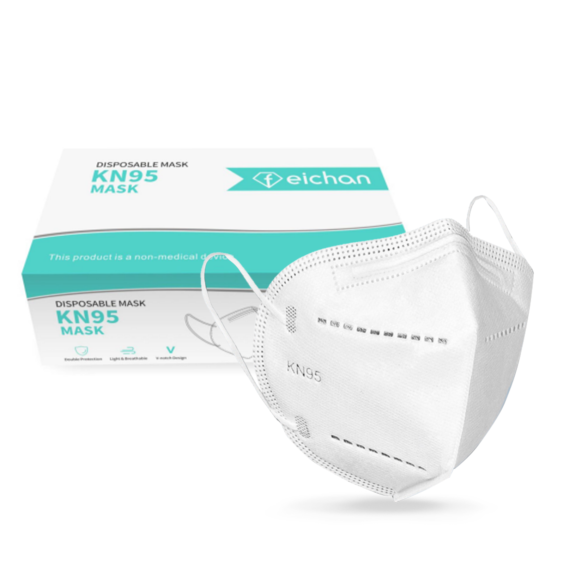
Respiratory protection has become an important consideration for healthcare workers, businesses, and individuals who want an additional layer of protection in environments where airborne particles may be present.
A KN95 Face Mask is a type of filtering facepiece respirator designed to help reduce exposure to airborne particles. It is widely used in healthcare support environments, workplaces, travel, public settings, and situations where respiratory protection is needed.
Unlike basic face coverings, KN95 masks are designed with multiple filtration layers and a structured shape that helps create a closer fit around the face. Their combination of filtration efficiency, comfort, and lightweight design has made them a popular choice for many users.
Choosing the right KN95 mask requires understanding its features, proper usage, fit, quality standards, and how it compares with other protective masks.
What Is a KN95 Face Mask?
A KN95 face mask is a respiratory protective mask designed according to Chinese standard GB2626 requirements. The “KN95” designation refers to its ability to filter a high percentage of airborne particles under specified testing conditions.
KN95 masks are commonly designed with multiple layers, including filtration materials that help capture small airborne particles.
Typical features include:
Multi-layer filtration
Adjustable nose clip
Elastic ear loops
Lightweight construction
Foldable design options
Close facial coverage
KN95 masks are intended to provide improved particle filtration compared with standard disposable face coverings.
How Does a KN95 Face Mask Work?
A KN95 mask works by creating a barrier between the wearer’s respiratory system and airborne particles.
The mask uses several filtration mechanisms to help capture particles, including:
Mechanical Filtration
The mask material physically blocks larger particles from passing through.
Electrostatic Filtration
Special filtration layers can attract and trap smaller particles, improving filtration performance.
Facial Seal
A proper fit helps reduce gaps around the edges of the mask, allowing more air to pass through the filtration material rather than around the mask.
The effectiveness of a KN95 mask depends on both filtration quality and proper fitting.
Key Features of KN95 Face Masks
Understanding KN95 mask features helps users select suitable products for their needs.
High Filtration Efficiency
KN95 masks are designed to filter a high percentage of airborne particles when properly manufactured and fitted.
Their filtration performance makes them suitable for environments where additional respiratory protection is desired.
Multi-Layer Construction
Most KN95 masks contain multiple layers designed for different functions.
Layers may include:
Outer protective layer
Filter layer
Support layers
Inner comfort layer
Each layer contributes to overall performance and comfort.
Adjustable Nose Clip
Many KN95 masks include a flexible nose clip that helps improve the seal around the nose area.
Benefits include:
Better fit
Reduced gaps
Improved comfort
More secure positioning
Lightweight and Comfortable Design
KN95 masks are designed for extended wear.
Features that improve comfort include:
Soft inner materials
Breathable construction
Flexible ear loops
Lightweight structure
Benefits of Using a KN95 Face Mask
KN95 masks provide several advantages for users who require respiratory protection.
Helps Reduce Exposure to Airborne Particles
A properly fitted KN95 mask helps reduce exposure to airborne particles by filtering inhaled air.
This makes them useful in environments where airborne contaminants may be present.
Suitable for Different Environments
KN95 masks are used in various settings, including:
Healthcare support areas
Workplaces
Travel environments
Public spaces
Industrial settings
The suitability depends on the specific requirements of each environment.
Comfortable for Extended Use
Many users choose KN95 masks because they balance protection and comfort.
Their design allows:
Easy breathing
Secure positioning
Reduced discomfort during wear
Convenient for Daily Carry
Many KN95 masks feature foldable designs, making them easy to store.
They can be carried in:
Bags
Vehicles
Workplaces
Emergency kits
Common Uses of KN95 Face Masks
KN95 masks are used across different industries and personal situations.
Healthcare Environments
Healthcare professionals and support staff may use respiratory protection products as part of workplace safety procedures.
Applications may include:
Patient care support
Clinical environments
Healthcare facilities
The appropriate level of protection depends on workplace requirements.
Workplace Protection
Many workplaces use KN95 masks where employees may encounter airborne particles.
Examples include:
Manufacturing
Construction support
Maintenance work
General workplace environments
Employers should select protective equipment based on specific workplace risks.
Travel
Travelers often carry KN95 masks because they are lightweight and easy to store.
They may be used during:
Air travel
Public transportation
Crowded environments
Long journeys
Public Settings
Some individuals choose KN95 masks in crowded or indoor environments where additional respiratory protection is preferred.
KN95 Face Mask vs Other Masks
Understanding differences between mask types helps users make informed decisions.
KN95 vs N95 Face Mask
KN95 and N95 masks are similar in design but follow different certification standards.
KN95 masks are designed according to Chinese standards, while N95 masks follow United States NIOSH standards.
Both are designed to provide high filtration performance when properly manufactured and fitted.
KN95 vs Surgical Masks
Surgical masks are primarily designed to help reduce exposure to droplets and provide barrier protection.
KN95 masks generally provide:
Closer facial fit
Higher particle filtration design
More structured coverage
The appropriate choice depends on the intended use.
KN95 vs Cloth Masks
Cloth masks are reusable and can provide basic face covering.
KN95 masks are designed with:
Specialized filtration materials
Multiple layers
Closer fitting designs
How to Choose a Quality KN95 Face Mask
Selecting a reliable KN95 mask requires attention to several factors.
Check Product Quality
Look for masks with:
Clear manufacturer information
Consistent construction
Proper labeling
Reliable packaging
Quality control is important for protective equipment.
Choose the Right Fit
A proper fit improves mask performance.
Consider:
Face size
Nose bridge adjustment
Comfort around ears
Coverage of nose and chin
A mask should sit securely without large gaps.
Consider Breathability
A good KN95 mask should balance filtration and comfort.
Features that support comfort include:
Breathable materials
Lightweight design
Proper sizing
Buy From Reliable Suppliers
Purchasing from trusted suppliers helps reduce the risk of poor-quality products.
Consider suppliers that provide:
Product information
Clear specifications
Quality documentation
Consistent availability
Proper Way to Wear a KN95 Face Mask
Correct usage is important for achieving the intended protection.
Step 1: Clean Your Hands
Wash or sanitize hands before handling the mask.
Step 2: Check the Mask
Inspect the mask before use.
Look for:
Damage
Broken straps
Visible defects
Step 3: Position the Mask
Place the mask over:
Nose
Mouth
Chin
Adjust the nose clip for a secure fit.
Step 4: Check the Seal
Ensure there are no obvious gaps around the edges.
Air should pass through the mask material rather than around the sides.
How Long Can You Use a KN95 Face Mask?
The useful life of a KN95 mask depends on:
Usage conditions
Environment
Exposure level
Mask condition
A mask should be replaced when it becomes:
Damaged
Dirty
Difficult to breathe through
Loose-fitting
Users should follow workplace guidance and manufacturer recommendations.
Industries That Use KN95 Face Masks
KN95 masks may be used across different sectors.
Common industries include:
Healthcare
Manufacturing
Construction
Cleaning services
Hospitality
Transportation
Laboratories
Each workplace should evaluate its specific safety requirements before selecting respiratory protection.
Benefits of Buying KN95 Masks in Bulk
Businesses often purchase KN95 masks in larger quantities.
Benefits include:
Reliable supply
Lower cost per unit
Better workplace preparation
Simplified inventory management
Bulk purchasing is commonly used by:
Healthcare facilities
Companies
Schools
Organizations
Storage Tips for KN95 Face Masks
Proper storage helps maintain mask condition.
Keep Masks Dry
Store masks away from:
Moisture
Extreme temperatures
Direct sunlight
Use Clean Storage Areas
Keep unused masks in clean packaging until needed.
Check Inventory Regularly
Businesses should monitor:
Stock levels
Packaging condition
Expiration information if applicable
Frequently Asked Questions About KN95 Face Mask
What is a KN95 Face Mask?
A KN95 Face Mask is a respiratory protective mask designed to filter airborne particles and provide a closer fit compared with standard face coverings.
Are KN95 masks reusable?
Some KN95 masks may be reused depending on usage conditions and manufacturer guidance. They should be replaced when damaged or contaminated.
What does KN95 mean?
KN95 refers to a mask standard based on Chinese GB2626 requirements and indicates its designed filtration performance under testing conditions.
Are KN95 masks comfortable to wear?
Many KN95 masks are designed for comfort with lightweight materials, flexible straps, and adjustable nose clips.
How should a KN95 mask fit?
A KN95 mask should cover the nose, mouth, and chin while fitting securely around the edges with minimal gaps.
Are KN95 masks suitable for workplaces?
KN95 masks may be suitable for certain workplace environments depending on the specific risks and safety requirements.
How do I know if a KN95 mask is good quality?
Look for reliable manufacturer information, proper labeling, consistent construction, and trustworthy suppliers.
Can children use KN95 masks?
Some manufacturers produce smaller-sized masks designed for children. Proper sizing is important for effective fit.
Where can KN95 masks be used?
KN95 masks are commonly used in workplaces, travel, healthcare support environments, and public settings where respiratory protection is needed.
Conclusion
A KN95 Face Mask provides a practical respiratory protection option for individuals and organizations seeking improved filtration and comfortable wear.
With its multi-layer design, adjustable fit, and lightweight construction, KN95 masks are used across healthcare support, workplaces, travel, and everyday environments.
Choosing a quality KN95 mask involves considering fit, materials, supplier reliability, and intended use. When selected and worn correctly, KN95 masks can provide an effective layer of protection for environments where airborne particle exposure is a concern.
 English
Join our community to interact with posts!