
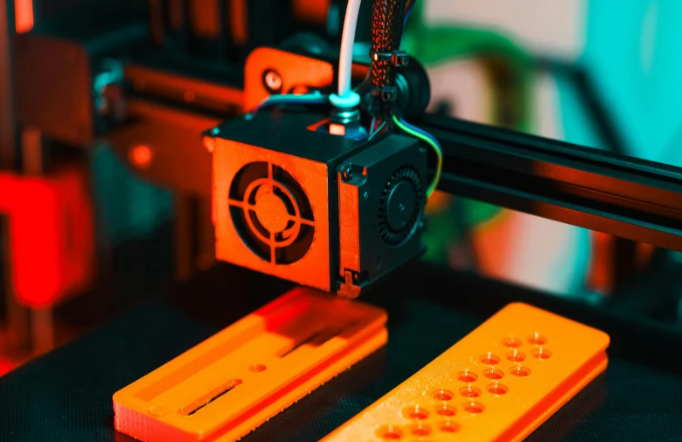
A few years ago, owning a 3D printer meant having a lab, a big budget and a lot of patience. Today, students print engineering prototypes in their hostel rooms and small business owners make custom products from a desk. Even hobbyists print miniatures for their tabletop games.
If you're thinking of buying one, this guide will help you avoid the common mistakes.
What Does a 3D Printer Actually Do?
A 3D printer builds an object layer by layer from a digital design. You create or download a 3D model, slice it into thin layers using software, and the machine builds it from the bottom up.
There are two main types you'll come across: FDM and resin.
FDM vs Resin: Which One Is for You?
FDM printers melt plastic filament and lay it down in layers. They're affordable, easy to maintain and great for functional parts like brackets, enclosures, gadgets and toys. Most beginners start here.
A resin 3D printer works differently. It uses a UV light to cure liquid resin, one layer at a time. The result is extremely fine detail and smooth surfaces. That's why jewellers, dentists, miniature painters and product designers love a resin 3D printer.
The trade-off is that resin printing is messier. You'll need gloves, isopropyl alcohol for washing, a curing station and good ventilation. If detail matters more than convenience, go resin. If you want easy, everyday printing, go FDM.
Understanding 3D Printer Cost
Many first-time buyers only look at the sticker price, but the true 3D printer cost includes more than the machine.
Here's what to budget for:
-
The printer itself: Entry-level machines are far more affordable than they used to be, while premium models add speed, enclosures and multi-colour printing.
-
Consumables: Filament for FDM, or resin for resin printers.
-
Accessories: Spare nozzles, build plates, tools, a filament dryer, or a wash-and-cure station for resin.
-
Electricity and space: Small, but worth remembering for long prints.
A good rule is to keep some budget aside for materials. A cheap printer with no money left for filament won't get you far.
3D Printer Price in India: What Affects It?
When you search for 3D printer price in India, you'll notice a wide range. Here's why:
-
Build volume: Larger print beds cost more.
-
Print speed and quality: Faster machines with better motion systems are priced higher.
-
Automation features: Auto bed levelling, filament run-out detection and camera monitoring add to the price.
-
Brand and support: Trusted brands with local service are worth paying for, since repairs and spare parts matter in India.
-
Import duties and currency: These can shift the 3D printer price in India over time.
The best approach is to compare current listings on a trusted local store instead of relying on old blog posts or random marketplace sellers.
How to Choose the Right Printer
Ask yourself these questions:
What will I print? Functional parts and prototypes suit FDM. Tiny, detailed models suit resin.
How much space do I have? Resin needs a well-ventilated corner, and FDM needs a stable table.
How much time do I want to spend tinkering? Some machines work almost out of the box, while others reward you for learning.
Do I need after-sales support? For a first-time buyer, this often matters more than a small saving.
Common Beginner Mistakes
-
Buying the cheapest machine without checking reviews
-
Ignoring material and accessory costs
-
Choosing resin without preparing for the cleanup
-
Skipping proper bed levelling and calibration
-
Buying from sellers who offer no warranty
Final Thoughts
A 3D printer is one of the most rewarding tools you can own. Whether you pick FDM or a resin 3D printer, work out the full 3D printer cost first. Then compare the latest 3D printer price in India on a store that offers real support. Browse the full range at Hydrotech 3D Chennai and find the machine that fits your projects.
FAQs
1. Is a resin 3D printer better than an FDM printer?
Neither is better overall. Resin gives finer detail, while FDM is cheaper to run and easier to use.
2. What is the average 3D printer cost for a beginner?
It depends on the type and features. Entry-level printers are quite affordable, but always add the cost of filament or resin and accessories.
3. Why does the 3D printer price in India vary so much?
Build size, speed, features, brand and import costs all play a role.
4. Do I need technical skills to use a 3D printer?
No. Modern printers are beginner-friendly, and you can learn slicing software in a few days.
5. Is resin printing safe at home?
Yes, if you use gloves, ventilation and proper disposal. Never let uncured resin touch your skin.
 English
Join our community to interact with posts!