
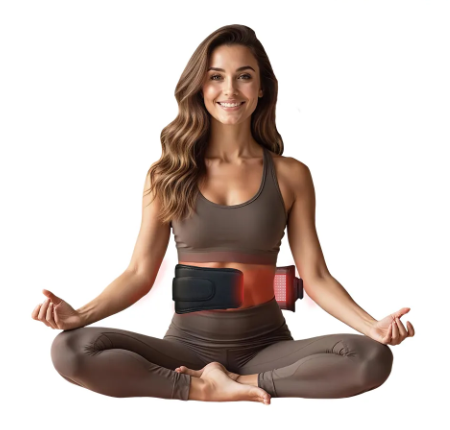
Pregnancy is a period when comfort, mobility, and overall wellness become especially important. Many people explore non-invasive wellness technologies as part of their daily routines, but pregnancy also requires additional care when considering any new device. When researching red light therapy pregnancy, it is important to understand both the potential applications and the current limits of safety evidence.
Understanding Red Light Therapy
Red light therapy, also known as photobiomodulation, uses low-intensity red or near-infrared light. Unlike ultraviolet light, it does not use ionizing radiation. Red light devices are commonly explored for wellness applications such as muscle relaxation, recovery, and temporary pain relief.
SINOCO's wellness belt combines 660nm red light and 850nm near-infrared light in a flexible wrap-style design intended for areas such as the waist and back. The device includes adjustable intensity and a built-in timer for convenient sessions.
Pregnancy Requires Extra Caution
Although red and near-infrared light has a generally reassuring safety profile for many applications, pregnancy-specific research remains limited. Current evidence does not establish that red light therapy is definitively safe for use during pregnancy, particularly when devices are applied directly to the abdomen, pelvis, or lower back.
For this reason, anyone who is pregnant or planning pregnancy should consult their healthcare professional before using a red light therapy belt. Professional guidance is particularly important when considering a wearable device intended for the waist, abdomen, or lower back.
Designed for Convenient Wellness Use
Outside pregnancy-specific considerations, wearable light therapy belts offer a convenient format for people interested in targeted wellness routines. Unlike stationary panels, a wrap can remain positioned around the selected area during a session.
SINOCO's belt is designed with a flexible wrap-style structure, adjustable intensity, a timer, and portable construction. The manufacturer describes applications including muscle relaxation, soreness relief, joint pain relief, and circulation support.
These features make wearable designs practical for home wellness routines when used according to appropriate instructions.
Choose Responsible Light Therapy
When evaluating a red light therapy device, users should consider wavelength, intensity controls, session timing, product construction, intended application, and safety instructions. It is also important to distinguish general wellness claims from medically established treatments.
The American Academy of Dermatology recommends following device instructions and seeking professional guidance when determining whether an at-home red-light device is appropriate.
A Careful Approach to Pregnancy Wellness
Pregnancy wellness should always prioritize evidence-based care and individualized medical advice. While red light therapy continues to attract interest as a non-invasive wellness technology, the limited pregnancy-specific evidence means users should avoid assuming that a device is automatically appropriate during pregnancy.
For manufacturers, distributors, and wellness brands, responsible product communication is equally important. Clear instructions, appropriate usage guidance, and transparent information can help consumers make informed decisions.
With careful consideration and professional guidance, people can better understand where light-based wellness devices may fit into their routines while keeping safety at the center of every decision.
 English
Join our community to interact with posts!