
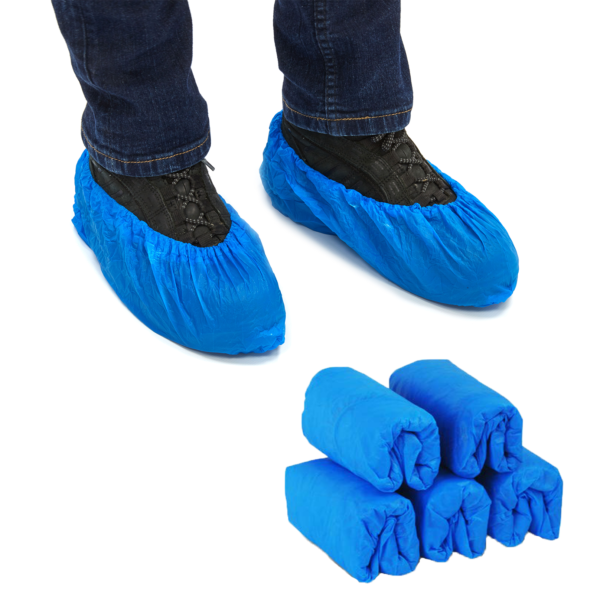
Maintaining cleanliness and hygiene is essential in many professional and residential environments. Whether it is a healthcare facility, hotel, laboratory, construction site, office, or home, preventing dirt, dust, and contaminants from spreading through footwear is an important part of maintaining a clean space. This is where shoe protection covers provide an effective and convenient solution.
Shoe protection covers are disposable or reusable protective coverings designed to fit over footwear and create a barrier between shoes and indoor surfaces. They help prevent the transfer of mud, dust, germs, liquids, and other contaminants while allowing workers, visitors, and professionals to move safely through different environments.
Many industries rely on shoe covers to maintain strict cleanliness standards. Hospitals use them to reduce contamination risks, cleaning teams use them to protect floors, and construction professionals use them when entering finished spaces. Even homeowners use disposable shoe covers during renovations or when allowing service workers inside their properties.
This complete guide explains everything businesses and individuals need to know about shoe protection covers, including their benefits, types, materials, applications, buying considerations, and frequently asked questions.
What Are Shoe Protection Covers?
Shoe protection covers are protective garments worn over regular footwear to prevent dirt, moisture, and contaminants from being transferred onto floors or sensitive areas.
They are usually made from lightweight materials and feature elastic openings that allow them to fit securely over different shoe sizes.
Common materials include:
-
Polyethylene (PE)
-
Non-woven fabric
-
Polypropylene
-
Waterproof plastic materials
-
Disposable laminated materials
Shoe covers are available in different styles, thicknesses, and designs depending on their intended application.
They are commonly used in:
-
Hospitals
-
Laboratories
-
Hotels
-
Food production areas
-
Construction sites
-
Clean rooms
-
Offices
-
Homes
-
Manufacturing facilities
Why Shoe Protection Covers Are Important
Footwear can carry significant amounts of dirt, bacteria, dust, and outdoor contaminants. Without proper protection, these particles can spread across indoor spaces.
Shoe protection covers help organisations maintain cleaner and safer environments.
Prevents Dirt and Contaminant Spread
Shoes collect dirt from outdoor surfaces. When people enter clean environments, these contaminants can transfer onto floors.
Shoe covers create a protective barrier that reduces the movement of:
-
Dust
-
Mud
-
Soil
-
Germs
-
Chemicals
-
Liquid residue
Supports Hygiene Standards
Many industries require strict hygiene practices. Shoe protection covers help businesses maintain cleaner environments and reduce contamination risks.
They are especially important in:
-
Medical environments
-
Food processing areas
-
Laboratories
-
Pharmaceutical facilities
Protects Floors and Surfaces
Shoe covers help prevent damage and staining on sensitive flooring materials.
They are useful for protecting:
-
Polished floors
-
Carpets
-
Wooden surfaces
-
Clean rooms
-
Newly installed flooring
Improves Workplace Safety
Clean floors reduce the risk of slipping caused by dirt, moisture, or outdoor debris.
Using shoe covers supports safer working environments.
Provides Professional Appearance
Providing visitors and workers with shoe protection covers demonstrates attention to cleanliness and professionalism.
Common Applications of Shoe Protection Covers
Shoe covers are used across many industries because they offer simple and effective protection.
Healthcare and Medical Facilities
Hospitals, clinics, dental practices, and laboratories use shoe covers to reduce contamination risks.
They are commonly used in:
-
Patient areas
-
Operating environments
-
Examination rooms
-
Medical laboratories
Shoe covers help maintain cleaner conditions for healthcare workers and visitors.
Food Industry
Food preparation and production environments require strict hygiene control.
Shoe covers help prevent external contaminants from entering food handling areas.
They are used by:
-
Food manufacturers
-
Commercial kitchens
-
Catering businesses
-
Food storage facilities
Hospitality Industry
Hotels and hospitality businesses use shoe covers during maintenance, cleaning, and renovation activities.
They help protect guest areas and maintain professional standards.
Construction and Property Maintenance
Construction professionals often need to enter completed buildings without damaging floors or creating mess.
Shoe covers help protect:
-
New flooring
-
Carpets
-
Interior finishes
They are commonly used by:
-
Builders
-
Electricians
-
Plumbers
-
Contractors
Clean Rooms and Laboratories
Clean environments require strict control over particles and contaminants.
Shoe covers help reduce external contamination entering sensitive areas.
Residential Use
Homeowners use shoe covers during:
-
Renovations
-
Cleaning services
-
Property inspections
-
Home repairs
They help keep living spaces clean when workers or visitors enter.
Benefits of Using Shoe Protection Covers
Using shoe covers provides several practical advantages.
Maintains Clean Environments
The main benefit of shoe covers is reducing dirt and contamination transfer.
They help businesses maintain better hygiene standards.
Easy to Use
Disposable shoe covers can be quickly placed over footwear and removed after use.
This makes them convenient for busy environments.
Cost-Effective Solution
Shoe protection covers are affordable compared to frequent floor cleaning or contamination control measures.
Bulk purchasing helps businesses reduce costs.
Reduces Cleaning Requirements
By preventing dirt and debris from spreading, shoe covers can reduce the frequency of cleaning tasks.
Protects Sensitive Areas
Shoe covers are especially valuable in environments where cleanliness is critical.
Lightweight and Portable
Disposable shoe covers are easy to store, transport, and distribute when needed.
Types of Shoe Protection Covers
Different types of shoe covers are available depending on workplace requirements.
Disposable Plastic Shoe Covers
Disposable plastic shoe covers are one of the most commonly used options.
Features include:
-
Lightweight material
-
Water resistance
-
Affordable cost
-
Single-use convenience
They are suitable for general protection.
Non-Woven Shoe Covers
Non-woven shoe covers are made from fabric-like materials that provide comfort and breathability.
Benefits include:
-
Better airflow
-
Lightweight design
-
Comfortable fit
They are commonly used in healthcare and professional environments.
Waterproof Shoe Covers
Waterproof shoe covers provide stronger protection against moisture and liquid exposure.
They are suitable for:
-
Cleaning tasks
-
Outdoor environments
-
Industrial applications
Anti-Slip Shoe Covers
Anti-slip shoe covers include textured soles designed to improve grip.
They are useful in areas where safety is important.
Heavy-Duty Shoe Covers
Heavy-duty shoe covers are designed for demanding environments requiring stronger protection.
They provide improved durability against:
-
Rough surfaces
-
Moisture
-
Workplace debris
Disposable vs Reusable Shoe Protection Covers
Businesses often choose between disposable and reusable options.
Disposable Shoe Covers
Advantages include:
-
Better hygiene control
-
Easy replacement
-
No washing requirements
-
Suitable for high-turnover environments
They are commonly used in healthcare and food industries.
Reusable Shoe Covers
Advantages include:
-
Long-term use
-
Reduced waste
-
Suitable for controlled environments
They may require cleaning and maintenance.
The right choice depends on workplace requirements and hygiene standards.
Factors to Consider When Buying Shoe Protection Covers
Choosing the right shoe covers requires evaluating several factors.
Material Quality
The material determines durability, comfort, and protection level.
Consider:
-
Thickness
-
Strength
-
Water resistance
-
Flexibility
Size and Fit
A proper fit ensures better coverage and prevents slipping.
Look for shoe covers with:
-
Elastic openings
-
Flexible design
-
Suitable sizing
Slip Resistance
For workplaces where floors may become slippery, anti-slip designs provide additional safety.
Intended Application
Different environments require different levels of protection.
For example:
-
Hospitals may require lightweight disposable options
-
Construction sites may require heavy-duty covers
-
Cleaning tasks may require waterproof materials
Packaging and Quantity
Businesses should choose quantities based on usage requirements.
Bulk packaging helps organisations maintain consistent supplies.
Choosing the Right Shoe Protection Covers Supplier
A reliable supplier ensures consistent quality and availability.
Product Quality
Choose suppliers that provide durable and dependable protective products.
Check:
-
Material standards
-
Product strength
-
Manufacturing quality
Bulk Supply Options
Many businesses require large quantities of shoe covers.
A good supplier should provide:
-
Wholesale pricing
-
Regular availability
-
Large order support
Delivery Reliability
Fast delivery helps businesses avoid shortages.
Customer Support
Professional suppliers should assist with product selection and bulk ordering requirements.
Competitive Pricing
Businesses should compare suppliers based on quality, reliability, and overall value.
How to Store Shoe Protection Covers Properly
Proper storage helps maintain product quality.
Businesses should:
-
Keep products in original packaging
-
Store them in dry areas
-
Avoid direct sunlight
-
Protect them from moisture
-
Organise stock properly
Good storage practices ensure shoe covers remain ready for use.
Common Mistakes When Using Shoe Protection Covers
Avoiding common mistakes helps improve effectiveness.
Choosing Incorrect Sizes
Small covers may tear easily, while oversized covers may slip.
Selecting the Wrong Material
Different environments require different protection levels.
Poor Storage Practices
Exposure to moisture or heat can damage some materials.
Not Maintaining Enough Stock
Running out of shoe covers can interrupt workplace hygiene procedures.
Environmental Considerations of Shoe Covers
Disposable shoe covers provide important hygiene benefits, but responsible use is important.
Businesses can improve sustainability by:
-
Choosing recyclable materials where available
-
Avoiding unnecessary waste
-
Selecting suppliers with eco-friendly options
-
Following proper disposal procedures
Frequently Asked Questions About Shoe Protection Covers
What are shoe protection covers used for?
Shoe protection covers prevent dirt, dust, moisture, and contaminants from spreading through footwear.
Where are shoe covers commonly used?
They are used in hospitals, laboratories, food industries, hotels, construction sites, offices, and homes.
Are shoe protection covers waterproof?
Some shoe covers are waterproof, especially those made from plastic or specialised protective materials.
Are disposable shoe covers hygienic?
Yes. Disposable shoe covers provide a fresh protective barrier and help reduce contamination risks.
Can shoe covers fit different shoe sizes?
Many shoe covers feature elastic openings designed to fit various footwear sizes.
What materials are shoe protection covers made from?
Common materials include polyethylene, polypropylene, and non-woven fabrics.
Are anti-slip shoe covers available?
Yes. Anti-slip shoe covers are available for environments where additional grip is required.
Can businesses buy shoe covers in bulk?
Yes. Wholesale suppliers provide bulk quantities for hospitals, businesses, and industrial facilities.
How should shoe covers be stored?
Store shoe covers in clean, dry locations while keeping packaging sealed.
Are reusable shoe covers better than disposable ones?
The best option depends on the environment, hygiene requirements, and usage frequency.
Conclusion
Maintaining cleanliness and hygiene is essential across many industries, and shoe protection covers provide a simple and effective solution for preventing contamination and protecting indoor spaces.
From healthcare facilities and laboratories to hotels, construction sites, and residential properties, shoe covers help maintain cleaner environments while improving safety and professionalism.
By selecting the right material, size, design, and supplier, businesses can ensure reliable protection while controlling costs. Whether used for daily operations or occasional visitors, quality shoe protection covers are an essential part of modern hygiene and safety practices.
 English
Join our community to interact with posts!