
Introduction
Healthcare is changing as technology makes it easier to collect, understand, and use health information. Instead of relying only on general medical guidelines, healthcare professionals can consider individual health records, lifestyle habits, laboratory results, and personal medical history when making decisions. This approach helps create care plans that better reflect each person's needs and health goals.
Health data is becoming an important part of modern healthcare because it can provide a clearer picture of overall well-being. When used responsibly, it helps patients and medical professionals have more informed conversations about prevention, treatment options, and long-term health.
Understanding the Role of Health Data in Modern Healthcare
Health data includes information gathered from different sources, such as medical records, laboratory tests, health assessments, and digital health tools. Each source provides a different piece of information that may help healthcare professionals understand a person's current health status.
For example, laboratory results can offer insights into certain biological processes, while medical history helps explain previous conditions and treatments. Information about sleep, physical activity, and daily habits can also provide useful context when discussing health concerns.
However, individual data points rarely tell the complete story. Healthcare professionals need to consider the wider picture before making recommendations. Combining relevant information with clinical experience can support more thoughtful and personalized medical decisions.
How Personalized Medical Decisions Can Improve Care
One of the biggest advantages of using health data is the opportunity to move away from a one-size-fits-all approach. People have different medical histories, lifestyles, risk factors, and personal priorities. These differences can influence which healthcare options deserve further discussion.
For instance, two people experiencing similar symptoms may have different underlying factors that require further assessment. Reviewing their medical histories, test results, and other relevant information can help clinicians decide whether additional testing or a different treatment approach is appropriate.
Personalized care also encourages patients to participate more actively in their healthcare. When individuals understand the information behind a recommendation, they may feel better prepared to ask questions, discuss concerns, and make informed decisions alongside qualified professionals.
The Importance of Preventive Health Monitoring
Health data is not only useful when someone has an existing health concern. It can also support preventive healthcare by helping professionals identify patterns that may deserve attention.
Regular checkups, appropriate laboratory testing, and ongoing discussions about lifestyle habits can provide valuable information over time. Comparing results from different appointments may help healthcare professionals understand whether certain measurements are changing and whether further evaluation is needed.
Nevertheless, not every change in a health measurement indicates a medical problem. Results can be influenced by several factors, including temporary illness, medications, and individual variation. Medical professionals are best placed to interpret these findings in context.
Preventive monitoring works most effectively when it supports informed conversations rather than unnecessary worry or self-diagnosis.
Technology and the Future of Personalized Healthcare
Digital health platforms and telehealth services are making healthcare information easier to access and discuss. Depending on the service, patients may be able to review test results, share relevant medical information, attend remote consultations, and discuss next steps with healthcare professionals.
These tools can make healthcare more convenient, particularly for people who find it difficult to attend in-person appointments. They may also help patients keep track of important information between consultations.
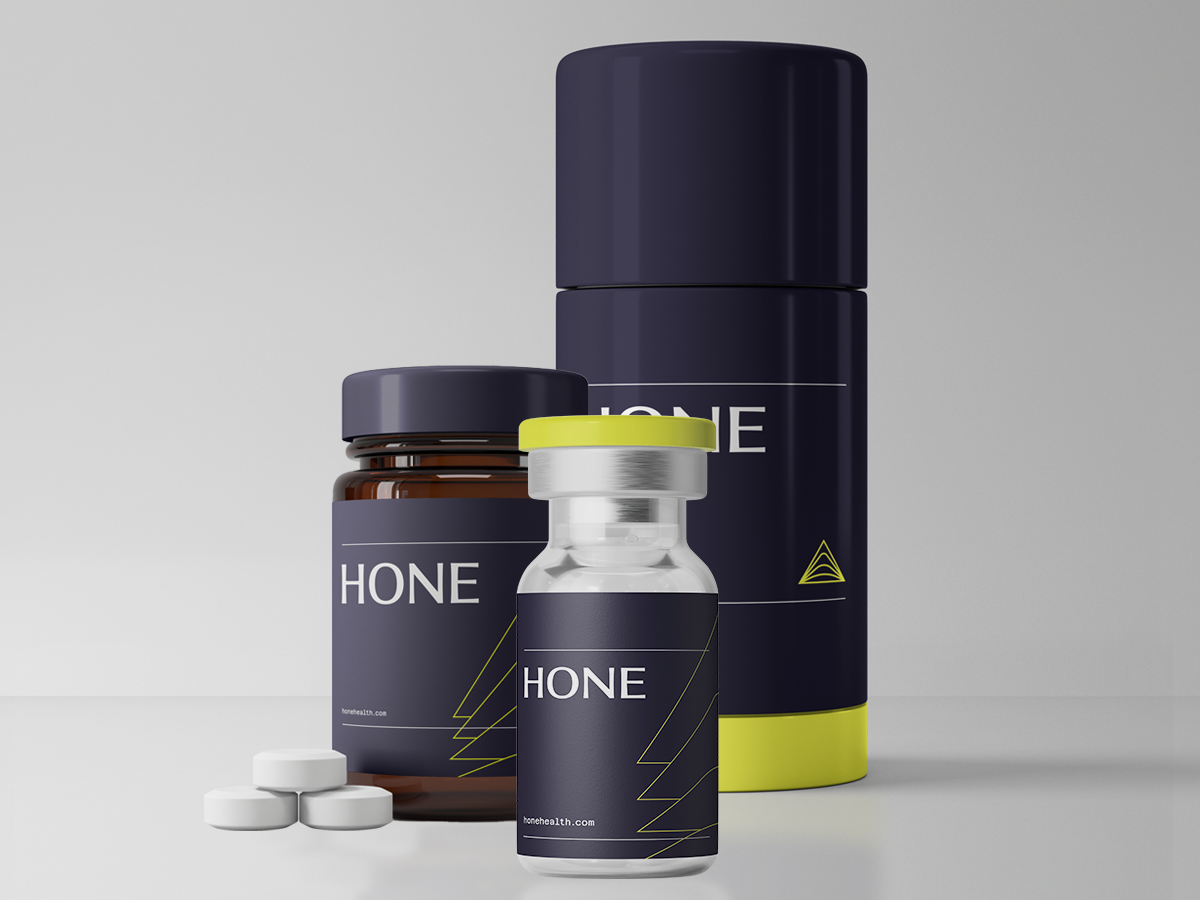
Health-focused companies such as Hone Health are part of the broader movement toward more personalized healthcare experiences. People exploring available services can research their options and look for a Honehealh Coupon Code when checking potential costs. However, pricing offers should remain separate from medical decisions, and individuals should evaluate services based on their needs, professional guidance, and the quality of care provided.
Protecting Privacy and Using Health Information Responsibly
As healthcare becomes more data-driven, protecting personal information is essential. Medical records and laboratory results contain sensitive details that should be handled carefully.
Patients should understand how a healthcare provider collects, stores, and uses their information. They should also look for clear privacy policies and appropriate safeguards when using digital health platforms.
Another important consideration is data accuracy. Outdated records, incomplete information, or results interpreted without proper context can lead to misunderstandings. Technology can support healthcare decisions, but it should not replace qualified medical judgment.
Conclusion
Health data is helping shape a more personalized approach to modern medicine. By combining medical history, relevant test results, lifestyle information, and professional expertise, healthcare providers can better understand individual needs and discuss suitable care options.
For patients, the goal is not simply to collect more information but to understand which details are meaningful and how they can support better conversations with healthcare professionals. People researching personalized healthcare services may also compare available features and look for a Honehealh Coupon Code to explore potential savings without compromising care quality.
Ultimately, the best use of health data combines reliable information, responsible technology, privacy protection, and professional guidance. This balanced approach can help make healthcare more informed, accessible, and responsive to individual needs.
 English
Join our community to interact with posts!