
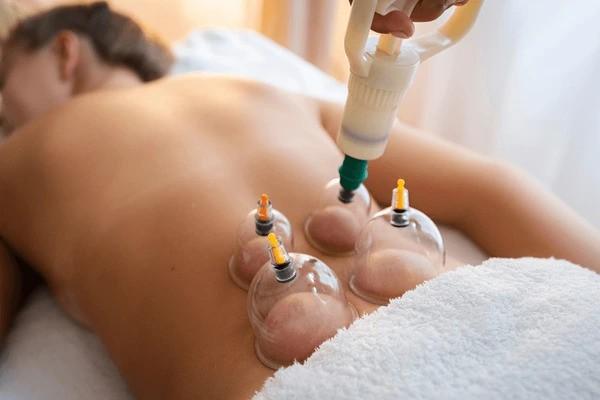
Hijama (or cupping therapy) (هل الحجامة مفيدة لضغط الدم) is an ancient practice that involves creating suction on the skin using cups, which can be either dry or wet (where small cuts are made and blood is drawn). The practice has been used for a variety of ailments, including pain relief, improving circulation, and detoxification. Its application for managing hypertension (high blood pressure) is something that has garnered interest in both traditional and complementary medicine circles, but scientific evidence on its effectiveness is still limited.
How Hijama Might Work for Hypertension:
Some proponents of hijama suggest that it may help lower blood pressure through a few potential mechanisms:
-
Improved Circulation: The suction effect of the cups is thought to stimulate blood flow, which could theoretically help with circulation and reduce the strain on the heart.
-
Reducing Stress: Cupping may promote relaxation by stimulating the parasympathetic nervous system, which helps lower stress hormones like cortisol. Since stress is a contributing factor to high blood pressure, this could be a potential benefit.
-
Detoxification: By drawing out blood and toxins (in the case of wet cupping), hijama practitioners claim that it can cleanse the body and potentially remove waste products that might contribute to inflammation or poor circulation.
-
Pain Relief: Hypertension can sometimes be exacerbated by chronic pain, which increases stress and tension in the body. Hijama may provide pain relief through its effects on muscle tension and inflammation.
What Does the Science Say?
There is limited clinical research on the use of hijama specifically for hypertension. However, some studies have suggested that cupping therapy in general may have a modest effect on reducing blood pressure, though these findings are preliminary and not definitive.
-
A study published in 2015 in the Journal of Traditional and Complementary Medicine found that wet cupping therapy reduced blood pressure in patients with hypertension.
-
Another study published in Complementary Therapies in Clinical Practice in 2019 showed that cupping therapy could lower blood pressure and improve vascular function in patients with moderate hypertension, but the sample sizes were small and the studies had some limitations.
Despite these early positive results, more robust, large-scale studies are needed to confirm the effectiveness and safety of hijama for hypertension. Most health professionals recommend more proven treatments, such as lifestyle changes (diet, exercise), medications, and stress management techniques for hypertension management.
Considerations:
-
Consultation with a Healthcare Provider: If you're considering hijama for hypertension, it's essential to discuss it with a doctor, especially if you're already on medication for blood pressure. Cupping might interfere with other treatments or have adverse effects, particularly if you're on blood thinners or have certain health conditions.
-
Potential Side Effects: While hijama is generally considered safe when done by a trained professional, there are risks, including skin irritation, bruising, and infection (especially if wet cupping is involved). Always seek a licensed and experienced practitioner.
Conclusion:
While hijama might have some therapeutic benefits, particularly for relaxation and stress relief, there's insufficient scientific evidence to fully support its use as a treatment for hypertension. If you're considering it as an adjunct therapy, it should not replace conventional treatments but rather be used in conjunction with standard medical advice and treatment.
 English
Join our community to interact with posts!