
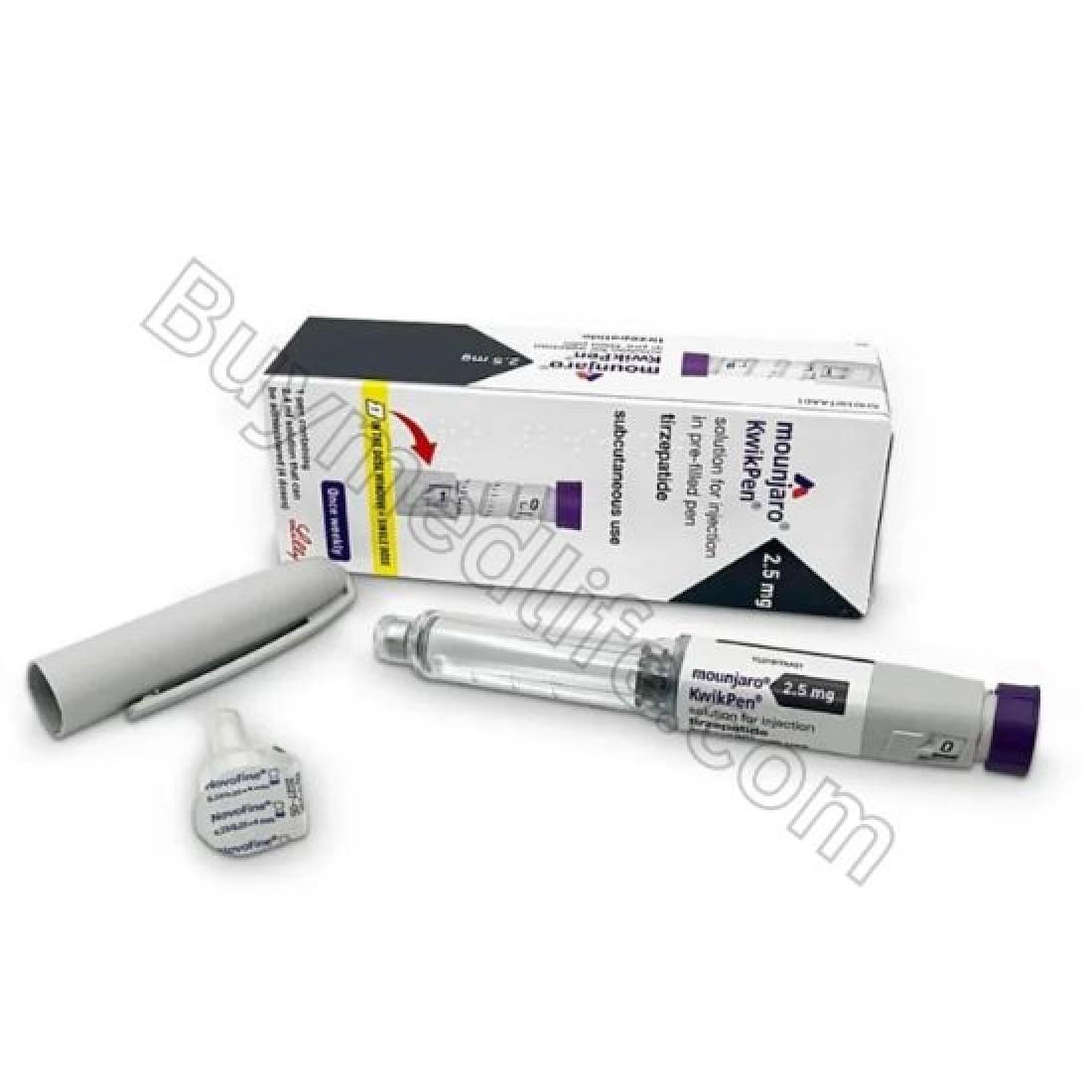
Mounjaro KwikPen 2.5 mg is the starting dose for patients with type 2 diabetes or those using it off-label under medical supervision for weight loss. As a once-weekly injectable medication, its effectiveness depends significantly on correct injection technique—especially the injection depth.
Many patients worry about injecting "too deep" or accidentally delivering the dose into muscle (intramuscular injection). Others wonder whether body weight, fat thickness, needle length, or injection angle influences delivery.
This detailed guide explains everything you need to know about the correct Mounjaro injection depth, how tirzepatide works in the subcutaneous layer, and how to avoid injecting into the muscle.
1. Why Injection Depth Matters for Mounjaro 2.5 mg
Tirzepatide is designed to be delivered into the subcutaneous tissue, which is the soft fatty layer between the skin and the muscle. This layer allows:
-
Slow absorption
-
Steady release into the bloodstream
-
Consistent weekly action
-
Minimal discomfort
-
Lower risk of complications
Injecting into muscle changes how the medication works and may increase side effects.
2. Subcutaneous vs Intramuscular Injection: Key Differences
Understanding the layers beneath the skin helps explain why depth matters.
2.1 Subcutaneous Layer (Correct Location)
This layer contains:
-
Fat (adipose tissue)
-
Fewer blood vessels
-
Soft structure
Subcutaneous injections provide:
-
Slow, controlled medication absorption
-
Lower pain levels
-
Reduced risk of bruising or bleeding
-
More predictable medication performance
This is exactly how Mounjaro is meant to be absorbed.
2.2 Intramuscular Injection (Incorrect for Mounjaro)
The muscle layer sits beneath the fat and has:
-
Dense blood vessels
-
Firm tissue
-
Stronger blood flow
Injecting tirzepatide into muscle may cause:
-
Faster-than-intended absorption
-
Increased nausea or side effects
-
Less predictable glucose or weight-loss response
-
More pain
-
Bruising
-
Potential injury to nerves or small blood vessels
Mounjaro pens are built to prevent IM injections for most body types, but errors can happen with poor technique.
3. Mounjaro 2.5 mg Needle Length and Its Role in Injection Depth
A crucial reason most patients inject safely is the short needle length used in Mounjaro pens.
Typical tirzepatide pen needles are:
-
4 mm to 5 mm in length
-
Ultra-fine
-
Intended only for subcutaneous penetration
Even in very lean individuals, a 4 mm needle usually does not reach muscle unless injected incorrectly or pressed too hard.
This needle length is chosen specifically to:
-
Minimize pain
-
Prevent deep penetration
-
Reduce the risk of intramuscular delivery
4. How to Ensure the Injection Goes Into the Subcutaneous Layer
Whether you are lean, overweight, or somewhere in between, you can ensure that the injection remains in the correct layer by following key steps.
5. Correct Injection Sites for Mounjaro 2.5 mg
The three recommended areas provide enough subcutaneous fat for safe injection:
5.1 Abdomen (Most Common)
-
Inject at least 2 inches away from the navel
-
Avoid scar tissue or moles
-
Rotate sites weekly
5.2 Thigh (Front of Mid-Thigh)
-
Good for self-injection
-
Ensure pinchable fat
5.3 Upper Arm (Back of the Arm)
-
Usually requires someone else to inject
-
Has sufficient subcutaneous tissue in most adults
6. Technique for Correct Subcutaneous Injection Depth
Following this technique ensures proper injection:
Step 1: Clean the site
Use an alcohol swab and allow it to dry.
Step 2: Pinch the skin (if needed)
Pinching is recommended for:
-
Lean patients
-
Elderly patients with thin skin
-
Patients with low body fat
Pinch approximately 1 inch of skin.
If you have more body fat, pinching is optional.
Step 3: Insert the needle at a 90-degree angle
This angle ensures:
-
Consistent depth
-
Subcutaneous placement
-
Reduced pain
In extremely thin individuals, a 45-degree angle may be safer to avoid muscle penetration.
Step 4: Press the pen firmly—but not too hard
Excessive pressure can push the needle deeper.
Gentle, steady contact with the skin is ideal.
Step 5: Hold the pen in place for the full injection time
Typically 10 seconds after pressing the button.
This ensures the full dose is delivered.
Step 6: Do not rub the site
Rubbing may increase absorption speed and bruising.
7. Factors That Affect Injection Depth
The correct injection depth can vary based on:
7.1 Body Fat Percentage
People who are:
-
Lean or athletic: Higher risk of reaching muscle
-
Normal or overweight: Best suited for SC injections
-
Obese: Plenty of SC fat, safe depth
7.2 Age
Elderly patients may have thinner skin and fat layers.
Solution: Pinch the skin before injecting.
7.3 Injection Site
-
Abdomen: Safest and thickest SC layer
-
Thigh: Moderate thickness
-
Upper arm: Thinner layer—caution for lean individuals
7.4 Injection Technique
Incorrect technique—such as pushing too hard—can increase the chance of injecting into muscle.
8. Signs You May Have Injected Too Deep
It’s not always obvious, but some indicators include:
-
Sudden sharp pain
-
Bleeding more than a drop
-
A fast increase in nausea or side effects
-
A burning sensation
-
Bruising larger than usual
A single accidental intramuscular injection is not dangerous, but long-term incorrect technique can affect Mounjaro’s performance.
9. What Happens if Mounjaro Is Injected Into Muscle?
Occasional IM injection may cause:
-
Faster absorption
-
A stronger peak effect
-
Higher risk of nausea or vomiting
-
Injection pain
-
Minor bleeding
But more importantly:
-
It disrupts the intended slow-release weekly mechanism
-
Blood sugar and appetite control may become unpredictable
-
Effectiveness may vary from week to week
-
The medication may feel “stronger” than intended
Correct technique prevents these issues.
10. How to Avoid Muscle Injection Based on Body Type
For Lean Individuals:
-
Always pinch the skin
-
Use abdomen, not upper arm
-
Consider a 45-degree angle
For Average-Weight Adults:
-
90-degree angle is safe
-
Pinching is optional
For Overweight Adults:
-
Plenty of SC fat, safest category
-
Inject normally
For Elderly Adults:
-
Pinch skin gently
-
Avoid bony or thin areas
11. Should You Change Needle Length?
No.
Tirzepatide pens use universal short needles for safety.
Longer needles are not appropriate for Mounjaro injections.
12. Medical Recommendations on Subcutaneous Delivery
Clinical guidelines consistently recommend:
-
4–5 mm needles
-
90-degree angle for most patients
-
Skin pinching for very lean individuals
-
Rotating injection sites
These practices ensure safe and effective weekly dosing.
13. How Incorrect Injection Depth Can Affect Mounjaro Results
Poor technique may lead to:
✔ Weaker appetite suppression
✔ Reduced weight loss
✔ Unstable glucose control
✔ Higher likelihood of side effects
✔ More pain during injection
✔ Bruising or swelling
Correct depth ensures predictable therapeutic results.
14. Best Practices to Ensure Consistent Subcutaneous Injection
-
Inspect the pen before use
-
Stay relaxed while injecting
-
Use the abdomen for consistency
-
Rotate left and right sides weekly
-
Store pens properly
-
Never inject through clothing
-
Avoid scar tissue and tattoos
15. Final Takeaway
Mounjaro 2.5 mg is designed specifically for subcutaneous (fat layer) injection, not muscle injection. The injectable pen, short needle, and recommended technique all work together to ensure safe and controlled medication absorption.
By following proper injection steps—pinching if needed, selecting the right angle, using the right site, and avoiding excessive pressure—you can confidently deliver Mounjaro into the correct tissue layer every time.
A consistent injection depth leads to:
-
Better blood sugar control
-
More stable weekly effects
-
Improved weight management
-
Fewer side effects
 English
Join our community to interact with posts!