
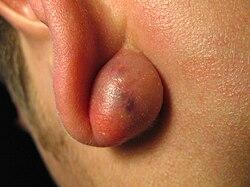
Sebaceous cysts are common, non-cancerous lumps that form under the skin when a sebaceous gland or hair follicle becomes blocked. They’re typically slow-growing and often painless, but they can become infected or inflamed, leading to discomfort or other complications. While sebaceous cysts are generally harmless, understanding their causes, symptoms, treatment options, and when to seek medical attention is important for managing them effectively. Visit our site to know about Sebaceous Cyst REMOVAL COST (أسعار عملية الكيس الدهني)
Here’s a breakdown of everything you need to know about sebaceous cysts:
1. What is a Sebaceous Cyst?
A sebaceous cyst is a benign (non-cancerous) growth that occurs beneath the skin. It forms when a sebaceous gland or hair follicle gets clogged with sebum (an oily substance produced by sebaceous glands) and dead skin cells. The clogged material then accumulates inside the follicle or gland, forming a sac-like bump.
-
Size and Shape: Sebaceous cysts can range from the size of a small pea to several centimeters in diameter. They are usually round or oval and feel soft to the touch.
-
Location: They are most commonly found on the face, neck, back, or scalp, but they can occur anywhere on the body.
2. Causes of Sebaceous Cysts
The exact cause of sebaceous cysts can vary, but the primary cause is a blockage in the sebaceous gland or hair follicle. Here are some common factors that can contribute to sebaceous cyst formation:
-
Blocked Sebaceous Glands: A clogged sebaceous gland can cause the buildup of sebum, leading to a cyst.
-
Trauma or Injury to the Skin: An injury to the skin that damages a hair follicle or sebaceous gland may cause a cyst to form.
-
Acne: People with acne-prone skin are more likely to develop sebaceous cysts, as clogged pores are a major contributor.
-
Genetics: Some people are genetically predisposed to develop multiple sebaceous cysts.
-
Skin Conditions: Certain skin conditions, like Gardner’s syndrome (a genetic disorder), can cause multiple cysts to develop.
3. Symptoms of Sebaceous Cysts
Most sebaceous cysts are asymptomatic and don’t cause pain or discomfort. However, some can become inflamed or infected, which may lead to the following symptoms:
-
A Small, Round Lump: Typically, sebaceous cysts feel like a smooth, movable lump under the skin.
-
Pain or Tenderness: If the cyst becomes infected or inflamed, it may become painful or tender to the touch.
-
Redness and Swelling: An infected cyst may appear red and swollen.
-
Pus or Fluid Drainage: In some cases, the cyst may rupture or become abscessed, causing pus, sebum, or a foul-smelling fluid to drain out.
-
Itching: Some people may experience itching or discomfort around the cyst.
4. How Are Sebaceous Cysts Diagnosed?
Sebaceous cysts are typically diagnosed based on a physical exam by a healthcare provider. In most cases, no further tests are needed. However, in some instances, your doctor may recommend additional steps:
-
Medical History: Your doctor will ask about any previous skin conditions, injuries, or family history of cysts.
-
Physical Examination: A healthcare professional will assess the cyst’s size, shape, and location.
-
Biopsy (In Rare Cases): If the cyst seems unusual, grows rapidly, or if there’s concern about other conditions, your doctor might take a small sample (biopsy) for lab testing to rule out cancer.
5. Treatment Options for Sebaceous Cysts
In many cases, sebaceous cysts don’t require treatment unless they become infected or cause discomfort. The main treatments for sebaceous cysts include:
a. Watchful Waiting
-
Non-Invasive Option: If the cyst is small, painless, and not causing any issues, your doctor may recommend simply monitoring it. Many cysts will go away on their own over time.
b. Drainage or Aspiration
-
When Infected or Inflamed: If the cyst becomes painful, swollen, or infected, a doctor may drain the contents to relieve symptoms. However, this does not remove the cyst wall, so the cyst may return.
-
Aspiration: This involves using a needle to remove the cyst contents (sebum), but the cyst wall remains intact.
c. Surgical Removal
-
Permanent Solution: If the cyst is large, painful, recurrent, or infected, a healthcare provider may recommend surgically removing the cyst and its contents. This is typically done under local anesthesia.
-
Complete Removal: For the cyst to be completely removed and prevent it from returning, the cyst's sac (wall) must be entirely excised. If the wall isn’t removed, the cyst may return.
d. Antibiotics
-
For Infected Cysts: If a sebaceous cyst becomes infected, antibiotics may be prescribed to treat the infection and prevent it from spreading. In some cases, oral antibiotics or topical ointments may be used.
6. When to See a Doctor
While sebaceous cysts are usually benign and harmless, there are certain situations where you should seek medical attention:
-
Rapid Growth: If the cyst grows quickly or becomes unusually large, it may need further evaluation.
-
Pain or Infection: If the cyst becomes painful, red, or starts draining pus, it may be infected and require treatment.
-
Multiple Cysts: If you notice multiple sebaceous cysts forming, it could indicate an underlying condition (such as Gardner’s syndrome), and you should consult a doctor.
-
Changes in Appearance: If the cyst changes color, becomes hard, or develops irregular borders, it may require biopsy to rule out more serious conditions like skin cancer.
7. Prevention and Home Care Tips
While it’s not always possible to prevent sebaceous cysts, there are a few steps you can take to reduce the likelihood of developing them:
-
Good Skin Hygiene: Wash your face and body regularly with mild soap and water to prevent the buildup of oils and debris in hair follicles.
-
Avoid Picking or Squeezing Cysts: Never try to pop or squeeze a cyst, as this can increase the risk of infection or make it worse.
-
Use Non-Comedogenic Products: If you’re prone to acne or clogged pores, use oil-free, non-comedogenic skincare products to reduce the risk of follicle blockages.
-
Moisturize: Keep your skin moisturized to avoid excessive dryness, which can lead to clogged pores and cyst formation.
-
Consult a Dermatologist: If you frequently get sebaceous cysts, a dermatologist can provide advice on preventing them and offer treatments that may reduce recurrence.
8. Complications and Risks
Although sebaceous cysts are typically harmless, there are some potential complications:
-
Infection: Cysts can become infected, especially if they rupture or if bacteria enter through the skin. This can cause redness, swelling, pain, and pus drainage.
-
Scarring: Surgical removal of the cyst may leave a scar, especially if the cyst is large or deeply embedded in the skin.
-
Recurrence: If the entire cyst sac isn’t removed, it may recur after treatment, though this is less likely with complete excision.
Conclusion: Sebaceous Cysts—Generally Harmless but Not to Be Ignored
Sebaceous cysts are typically benign and non-cancerous, but they can be uncomfortable or cause cosmetic concerns, especially if they become infected or inflamed. In most cases, they can be treated effectively with drainage, antibiotics, or surgical removal. If you notice a cyst on your skin or experience any concerning symptoms, it’s always a good idea to consult a healthcare provider to determine the best course of action.
 English
Join our community to interact with posts!