
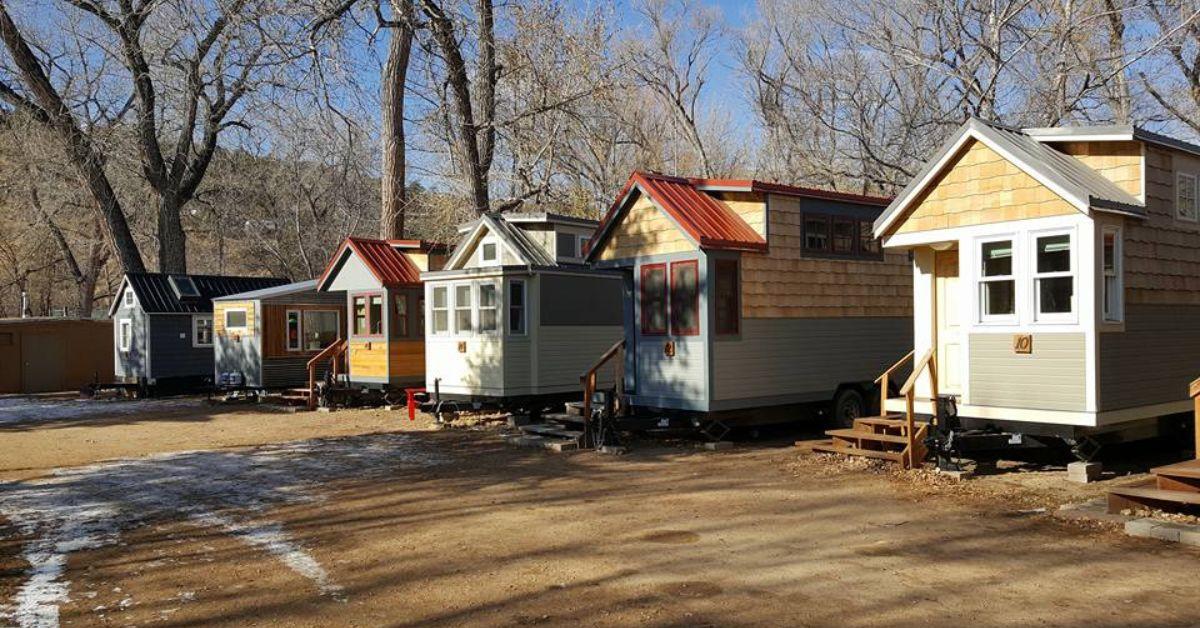
Why People Are Listening to The Tiny House Experts Now
Tiny houses didn’t sneak in quietly. They kicked the door open. Rent went wild, mortgages ballooned, and suddenly a 400-square-foot home didn’t sound so crazy. That’s where the tiny house experts stepped in. Not influencers. Not dreamers with Pinterest boards. Real builders, planners, and folks who’ve lived through zoning fights and busted plumbing at 2 a.m.
What makes them valuable isn’t inspiration. It’s experience. They’ve watched projects fail because someone ignored local codes. They’ve seen gorgeous homes stuck on trailers because nobody checked permits. They talk straight. Sometimes blunt. Usually helpful. And honestly, that’s what people need before downsizing their entire life into something smaller than a studio apartment.
The Reality of Tiny Living Nobody Posts on Instagram
Here’s the truth most blogs skip. Tiny living is not automatically simpler. It’s just… different. Less stuff, sure. But more planning. More intention. When you mess up in a tiny house, you feel it immediately. A bad layout means daily frustration. Poor insulation? You’ll know by winter.
This is why people lean on the tiny house experts. They’ve lived in these spaces long enough to know what breaks, what lasts, and what sounds good online but fails in real life. They’ll tell you why that cute ladder is a pain after month three. Or why storage needs double the thought you think it does. Hard-earned wisdom, not hype.
Design Isn’t About Looks, It’s About Survival
In a regular house, bad design is annoying. In a tiny house, it’s brutal. Inches matter. Door swings matter. Where you put your shoes matters more than you’d expect. Good design is invisible. Bad design is constant.
Experts in this space obsess over flow. How you move. Where your eyes go. How light hits in the morning. They aren’t chasing trends. They’re solving problems. When the tiny house experts talk design, they’re talking about comfort, safety, and sanity. Because when your whole house fits in a parking space, there’s nowhere to hide mistakes.
Tiny House Regulations Are the Real Gatekeepers
This is where dreams meet reality. And sometimes lose. Tiny house regulations vary wildly. City to city. County to county. Even neighborhood to neighborhood. Some places welcome them. Others treat them like illegal campers with better branding.
Zoning laws. Minimum square footage. Foundation rules. Utility hookups. All of it matters. Ignore one rule and your house might be perfectly built but legally useless. The experts know where the traps are. They know which inspectors are flexible, which aren’t, and how to work within the system instead of fighting it blind.
Building vs Buying: What Experts Actually Recommend
People assume experts push custom builds. Not always. Sometimes buying a pre-built tiny home makes more sense. Sometimes it doesn’t. Depends on land, budget, timeline, and patience. A lot of patience.
The tiny house experts usually ask uncomfortable questions first. Where will it sit? How will it be insured? Can you finance it, or is this cash only? If someone jumps straight into floor plans without those answers, that’s a red flag. Tiny homes are personal, but the process needs structure. Otherwise it gets messy fast.
Off-Grid Sounds Cool Until It’s Tuesday Night
Off-grid living gets romanticized hard. Solar panels. Compost toilets. Rainwater catchment. All doable. All work. Constantly. This isn’t a vacation setup. It’s your daily life.
Experts don’t discourage off-grid setups. They just explain the maintenance. The trade-offs. The learning curve. You’ll gain independence, yes. You’ll also gain responsibility. The tiny house experts know which systems fail quietly and which fail loudly. Guess which ones ruin your week.
Money Myths Around Tiny Homes Need Clearing Up
Tiny doesn’t always mean cheap. It can be. But it’s not automatic. Quality materials still cost money. Skilled labor still costs money. And mistakes cost even more.
Experts help people avoid false savings. They’ll tell you when DIY is smart and when it’s reckless. They’ll warn you about cutting corners that come back later. The tiny house experts aren’t selling fantasy numbers. They’re sharing real budgets, with real surprises baked in.
Why Experience Beats Advice Every Time
You can read guides all day. Watch videos. Join forums. Helpful, sure. But lived experience hits different. Someone who’s hauled water through winter or negotiated with zoning boards has insights you can’t Google.
That’s why expert voices matter. Not because they’re perfect, but because they’ve failed and adjusted. They know what they’d do differently. And they’re usually honest about it. Sometimes painfully honest. Which is kind of the point.
Conclusion: Tiny Living Works When You Respect The Rules
Tiny houses can change lives. Lower costs. Less clutter. More freedom. But only when done right. Listening to the tiny house experts saves time, money, and regret. They ground the dream in reality.
And here’s the thing most people learn late. Success in tiny living isn’t about size. It’s about preparation. Respecting tiny house regulations, understanding limitations, and making informed choices. Ignore that, and the house might be small, but the problems won’t be.
FAQ
Are tiny houses legal everywhere?
No. Laws vary widely. Some areas allow them easily, others restrict them heavily. Always research local zoning and building codes first.
How small is considered a tiny house?
Typically under 400 square feet, but definitions change depending on local regulations and whether it’s on wheels or a foundation.
Can tiny houses be financed like normal homes?
Sometimes, but not always. Many require personal loans or cash unless they meet specific building and zoning standards.
Do tiny houses actually last long-term?
Yes, when built well and maintained properly. Poor construction and ignored regulations shorten their lifespan fast.
 English
Join our community to interact with posts!