
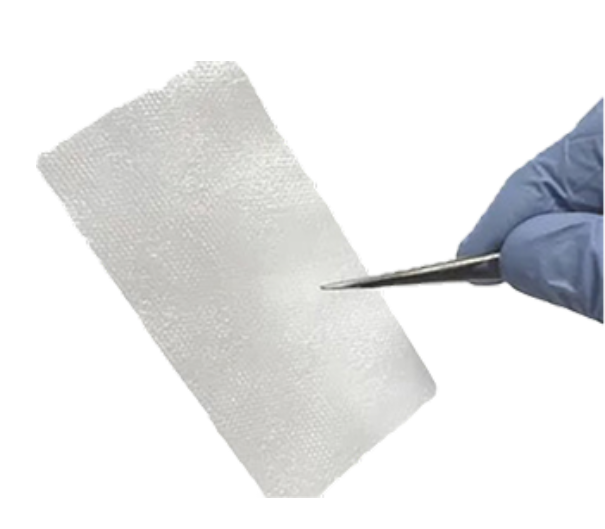
Chronic and complex wounds remain one of the most challenging concerns in modern healthcare. From diabetic foot ulcers and pressure injuries to surgical wounds and burns, delayed healing can significantly affect a patient’s quality of life and increase the risk of complications. As medical science advances, biologically derived materials are playing an increasingly important role in improving outcomes. Innovations in skin substitutes for wound healing and regenerative grafts are reshaping how clinicians approach tissue repair and recovery.
The evolving landscape of wound management
Traditional wound care methods often focus on cleaning, protecting, and managing moisture. While effective for minor injuries, these approaches may fall short when dealing with extensive tissue damage or wounds that fail to progress through normal healing stages. This gap has led to the development of advanced wound care products designed to actively support the body’s natural regenerative processes.
Biologic grafts and membranes are now widely used to create an optimal environment for healing. By providing a scaffold for cell migration and growth, these solutions help accelerate closure and reduce inflammation. As a result, many healthcare providers are turning to products developed by specialized skin graft company innovators and amniotic tissue companies.
Understanding skin substitutes for wound healing
Skin substitutes are engineered or biologically sourced materials that temporarily or permanently replace damaged skin layers. They are especially valuable in cases where the body cannot regenerate tissue efficiently on its own. These substitutes support healing by maintaining moisture balance, protecting against infection, and encouraging cellular activity.
Modern skin substitutes for wound healing are often derived from human or animal tissue and processed to ensure safety and consistency. Their structure closely mimics natural skin, making them highly effective in managing complex wounds. Clinicians rely on these solutions for burns, ulcers, and post surgical wounds that require more than standard dressings.
The role of amniotic tissue in regenerative care
Amniotic tissue has gained significant attention in recent years due to its unique biological properties. Rich in growth factors and anti inflammatory components, amniotic allografts support tissue repair while minimizing scarring. This makes them a preferred option in advanced wound care and surgical applications.
Amniotic tissue companies focus on processing placental tissues in a way that preserves their natural benefits. These grafts are used as membranes or wraps that integrate seamlessly with the wound bed. Their versatility allows them to be applied across a wide range of clinical scenarios, from chronic wounds to orthopedic and podiatric procedures.
Key graft options used in modern practice
The variety of grafts available today allows clinicians to choose the most appropriate solution based on wound type and patient needs. Amniotic allografts are commonly used to promote healing while reducing pain and inflammation. Membrane wrap graft options are particularly useful for covering exposed tissue and providing consistent protection during the healing process.
Other collagen based solutions also play a crucial role. Products like Helicoll Graft are designed to offer structural support while encouraging new tissue formation. These grafts are often used in combination with other advanced wound care products to enhance outcomes.
Another option frequently utilized in clinical settings is Esano Graft, which supports wound healing through its regenerative properties. Alongside it, AmnioAMP-MP is valued for its ability to provide biological signals that encourage tissue regeneration and repair.
Why graft selection matters
Choosing the right graft can significantly influence healing time and overall success. Factors such as wound depth, location, and patient health must all be considered. Allopatch Graft stands out as an example of a solution designed to address complex wound needs by offering structural integrity and biological compatibility.
When integrated into a comprehensive treatment plan, these grafts help reduce healing time, lower the risk of infection, and improve patient comfort. This is why advanced wound care products are now considered essential tools rather than optional enhancements.
Advancements driving better patient outcomes
Continuous research and innovation are driving improvements in biologic materials. Today’s products are easier to handle, store, and apply, making them more accessible for healthcare providers. Improved processing techniques also ensure safety and consistency, which is critical for widespread clinical adoption.
As more data becomes available, clinicians are gaining confidence in using biologic grafts earlier in the treatment process. This proactive approach often prevents wounds from becoming chronic, reducing long term healthcare costs and improving patient satisfaction.
The growing importance of specialized providers
The increasing demand for regenerative solutions has led to the rise of specialized organizations dedicated to tissue based therapies. These providers focus on quality, compliance, and innovation, ensuring that clinicians have access to reliable products that meet stringent standards.
By collaborating with healthcare professionals, these companies help refine treatment protocols and expand the applications of biologic grafts. This partnership between research, manufacturing, and clinical practice is shaping the future of wound care.
Conclusion
Advanced wound care is no longer limited to passive dressings and basic interventions. The integration of biologic grafts, skin substitutes for wound healing, and amniotic allografts has transformed patient care by supporting faster and more effective recovery. As innovation continues, organizations like Life Biologics play a vital role in delivering solutions that align science, safety, and healing into one comprehensive approach.
 English
Join our community to interact with posts!