
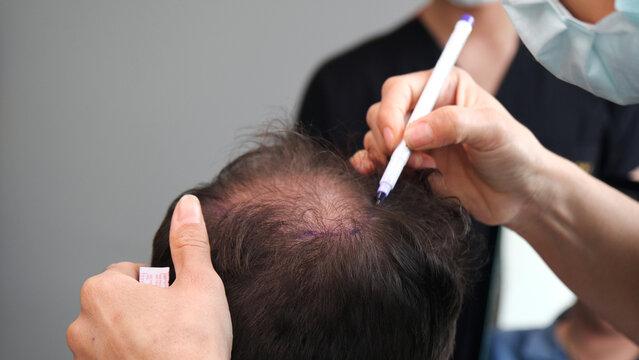
Hair loss is more than a cosmetic concern—it can deeply affect self-esteem, confidence, and how you present yourself to the world. A receding hairline or thinning hair often makes people look older than they feel, impacting both personal and professional life. Fortunately, modern hair restoration treatments offer safe, effective, and natural-looking solutions. Restoring your hairline today means restoring your confidence for years to come.
Understanding Hairline Loss
Hairline loss is one of the most common signs of hair thinning in both men and women. It can start subtly and gradually progress, often becoming noticeable when styling hair becomes difficult or photos reveal changes over time.
Common Causes of Hairline Recession
Genetics
Hereditary hair loss, also known as androgenetic alopecia, is the leading cause of a receding hairline. If hair loss runs in your family, you may notice gradual thinning at the temples or forehead.
Hormonal Changes
Hormonal imbalances, pregnancy, menopause, or thyroid disorders can trigger hairline thinning, especially in women.
Stress and Lifestyle Factors
Chronic stress, poor nutrition, smoking, and lack of sleep can weaken hair follicles and accelerate hair loss.
Medical Conditions and Treatments
Autoimmune diseases, scalp infections, and treatments like chemotherapy may also contribute to hairline loss.
Why Your Hairline Matters
Your hairline frames your face and plays a crucial role in facial balance and appearance. Even minor changes can significantly impact how youthful, confident, and approachable you look.
Psychological Impact of Hair Loss
-
Decreased self-confidence
-
Social anxiety
-
Avoidance of photos or social events
-
Feeling older than your actual age
Restoring your hairline often leads to improved self-esteem, a more positive self-image, and renewed confidence.
Modern Hairline Restoration Solutions
Thanks to advancements in aesthetic medicine, hairline restoration is now more precise, natural, and long-lasting than ever before.
Non-Surgical Hair Restoration Options
Medicated Treatments
FDA-approved medications such as topical solutions and oral therapies can help slow hair loss and promote regrowth in early stages.
PRP (Platelet-Rich Plasma) Therapy
PRP uses your body’s own growth factors to strengthen hair follicles, improve hair density, and slow further hair loss.
Low-Level Laser Therapy
Laser treatments stimulate blood circulation in the scalp, encouraging healthier hair growth.
Hair Transplant: The Gold Standard for Hairline Restoration
For individuals with significant hairline recession, hair transplantation remains the most effective and permanent solution.
What Is a Hair Transplant?
A hair transplant involves extracting healthy hair follicles from donor areas (usually the back of the scalp) and implanting them into thinning or balding areas along the hairline.
Types of Hair Transplant Techniques
FUE (Follicular Unit Extraction)
-
Minimally invasive
-
No linear scarring
-
Faster recovery time
-
Natural-looking results
FUT (Follicular Unit Transplantation)
-
Suitable for extensive hair loss
-
High graft survival rate
-
Linear scar hidden under hair
Your specialist will recommend the best technique based on your hair type, extent of loss, and aesthetic goals.
Benefits of Restoring Your Hairline
-
Natural and permanent results
-
Youthful facial appearance
-
Improved confidence and self-esteem
-
Low maintenance after recovery
-
Freedom from temporary solutions like wigs or fibers
What to Expect During the Hairline Restoration Journey
Consultation
A detailed consultation assesses hair loss pattern, scalp health, donor area quality, and desired hairline design.
Procedure Day
Hair restoration procedures are typically performed under local anesthesia and are comfortable and safe.
Recovery and Results
-
Mild swelling or redness for a few days
-
New hair growth begins in 3–4 months
-
Visible improvement in 6 months
-
Full results within 9–12 months
Is Hairline Restoration Right for You?
You may be a good candidate if:
-
You have a stable donor area
-
Your hair loss has progressed or stabilized
-
You are in good general health
-
You have realistic expectations
A professional evaluation is essential to determine the most suitable treatment plan.
Why Choose Professional Hair Restoration Treatment?
Choosing an Enfield Royal clinic and qualified specialist ensures:
-
Proper hairline design that suits your facial structure
-
High graft survival rates
-
Safe and hygienic procedures
-
Natural, undetectable results
Expert care makes all the difference between average and exceptional outcomes.
Restore Your Hairline, Restore Your Confidence
Hair loss doesn’t have to define you. With advanced hair restoration solutions, you can regain not only your hairline but also the confidence that comes with looking and feeling your best. Whether you choose non-surgical treatments or a permanent hair transplant, taking the first step toward restoration is an investment in yourself.
If you’re ready to transform your appearance and confidence, consult a hair restoration specialist today and begin your journey toward a fuller, natural hairline.
Frequently Asked Questions (FAQs)
Is hairline restoration permanent?
Hair transplant results are permanent, while non-surgical treatments require maintenance.
Does hair restoration look natural?
When performed by an experienced specialist, results are highly natural and blend seamlessly.
Is the procedure painful?
Most procedures are minimally painful and performed under local anesthesia.
How long does recovery take?
Most patients resume normal activities within a few days.
 English
Join our community to interact with posts!