
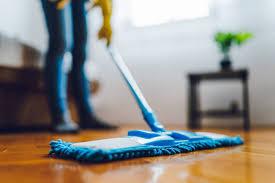
Introduction to Commercial Floor Cleaning Methods and Techniques
Commercial floor cleaning is essential for maintaining a safe, hygienic, and attractive environment in businesses like offices, stores, and restaurants. It involves a variety of methods and techniques tailored to different floor types, such as tile, carpet, or hardwood, to remove dirt, stains, and bacteria effectively. By using the right commercial floor cleaning approaches, you can extend the life of your floors while ensuring they look professional. This guide will explore practical steps and tips to help you achieve spotless results without overwhelming complexity.
Understanding Floor Types for Effective Cleaning
Before diving into commercial floor cleaning, it's important to identify the type of flooring in your space, as each requires specific techniques. For example, hard surfaces like vinyl or concrete need methods that prevent scratching, while carpets demand vacuuming to avoid fiber damage. Tile floors often benefit from grout-specific cleaners to tackle embedded grime. Knowing your floor type helps in selecting the appropriate tools and solutions for optimal results. This foundational step in commercial floor cleaning ensures efficiency and avoids costly mistakes.
Daily Sweeping and Dusting Routines
A key part of commercial floor cleaning starts with daily sweeping to remove loose dirt and debris that can scratch surfaces over time. Use a soft-bristle broom or a microfiber dust mop for hard floors to capture fine particles without spreading them around. In high-traffic areas like lobbies, this technique prevents buildup and maintains a clean appearance throughout the day. For larger spaces, consider electrostatic mops that attract dust more effectively. Incorporating this simple routine into your commercial floor cleaning schedule can significantly reduce the need for deeper cleans later.
Mopping Techniques for Spotless Hard Floors
Mopping is a staple in commercial floor cleaning for hard surfaces, but doing it right avoids streaks and water damage. Start by using a damp mop with a neutral pH cleaner to gently lift dirt without harming the floor finish. For example, in a restaurant kitchen, wring out excess water to prevent slips and ensure quick drying. Change the mop water frequently to avoid redistributing grime. This method keeps floors hygienic and shiny, making it an everyday essential in commercial floor cleaning practices.
Using Scrubbers for Deep Cleaning
For tougher jobs in commercial floor cleaning, automatic or manual scrubbers provide a deeper clean by agitating the surface to remove embedded soil. These machines are ideal for large areas like warehouses, where they combine water, detergent, and brushes for efficient results. Begin with a pre-sweep to clear debris, then scrub in sections for even coverage. Manual scrubbers work well for smaller spots, offering control in tight spaces. Regular use of scrubbers in your commercial floor cleaning regimen helps maintain floors that withstand heavy use.
Polishing and Buffing for a Professional Shine
Polishing enhances the look of hard floors in commercial floor cleaning by restoring gloss and protecting against wear. Apply a floor polish using a buffer machine that spins at low speeds to spread it evenly, as seen in retail stores for that inviting sheen. Buffing follows to remove any haze, ensuring a smooth finish. Avoid over-polishing, which can lead to buildup; instead, do it periodically based on traffic levels. This technique not only beautifies but also simplifies future commercial floor cleaning efforts.
Carpet Cleaning Strategies in Commercial Settings
Commercial floor cleaning for carpets involves vacuuming with powerful upright or backpack models to extract dirt from fibers. For deeper cleans, use hot water extraction methods, where steam and solution penetrate to lift stains, like coffee spills in an office. Dry cleaning powders are another option for quick refreshes without downtime. Rotate furniture to even out wear and vacuum high-traffic paths more often. These strategies keep carpets fresh and extend their lifespan in busy commercial environments.
Eco-Friendly Options in Commercial Floor Cleaning
Switching to green methods in commercial floor cleaning reduces environmental impact while being effective. Use biodegradable cleaners and microfiber tools that require less water and chemicals. For instance, steam cleaning sanitizes without harsh products, ideal for eco-conscious businesses like hotels. Battery-powered scrubbers minimize energy use compared to corded ones. Embracing these sustainable techniques in your commercial floor cleaning routine promotes health and responsibility.
Maintenance Tips to Prolong Floor Life
Ongoing maintenance is crucial in commercial floor cleaning to prevent premature replacement. Establish a schedule that includes weekly deep cleans and daily spot checks. Place mats at entrances to trap dirt before it reaches the floors, reducing overall cleaning needs. Train staff on proper techniques to avoid damage from incorrect tools. By following these tips, your commercial floor cleaning efforts will yield long-lasting, cost-effective results.
Conclusion
In summary, mastering commercial floor cleaning methods and techniques involves understanding floor types, daily routines like sweeping and mopping, deeper approaches such as scrubbing and polishing, and specialized strategies for carpets. Incorporating eco-friendly options and consistent maintenance ensures durability and appeal. By applying these practices, businesses can create welcoming spaces that impress customers and employees alike. Ultimately, effective commercial floor cleaning saves time, money, and effort in the long run.
FAQs
Q1: How often should I perform deep commercial floor cleaning? A: It depends on foot traffic, but generally, deep cleans like scrubbing or steam extraction should happen every 1-3 months for high-traffic areas. Daily or weekly maintenance handles the rest to keep things manageable.
Q2: What’s the best cleaner for commercial floor cleaning on tiles? A: A neutral pH cleaner is ideal for tiles to avoid etching the surface. Mix it with warm water for mopping, and always test in a small area first to ensure compatibility.
Q3: Can I use the same methods for all commercial floor cleaning types? A: No, adapt techniques to the floor material—vacuum carpets regularly, but use damp mops on hard surfaces. This prevents damage and ensures thorough cleaning.
Q4: Are automatic scrubbers worth it for small businesses in commercial floor cleaning? A: For spaces over 1,000 square feet, yes, as they save time and labor. Smaller areas might stick to manual methods for cost-effectiveness.
Q5: How do I handle stains during commercial floor cleaning? A: Blot stains immediately with a clean cloth, then apply a spot cleaner suited to the floor type. For tough ones, consult professionals to avoid worsening the issue.
 English
Join our community to interact with posts!