
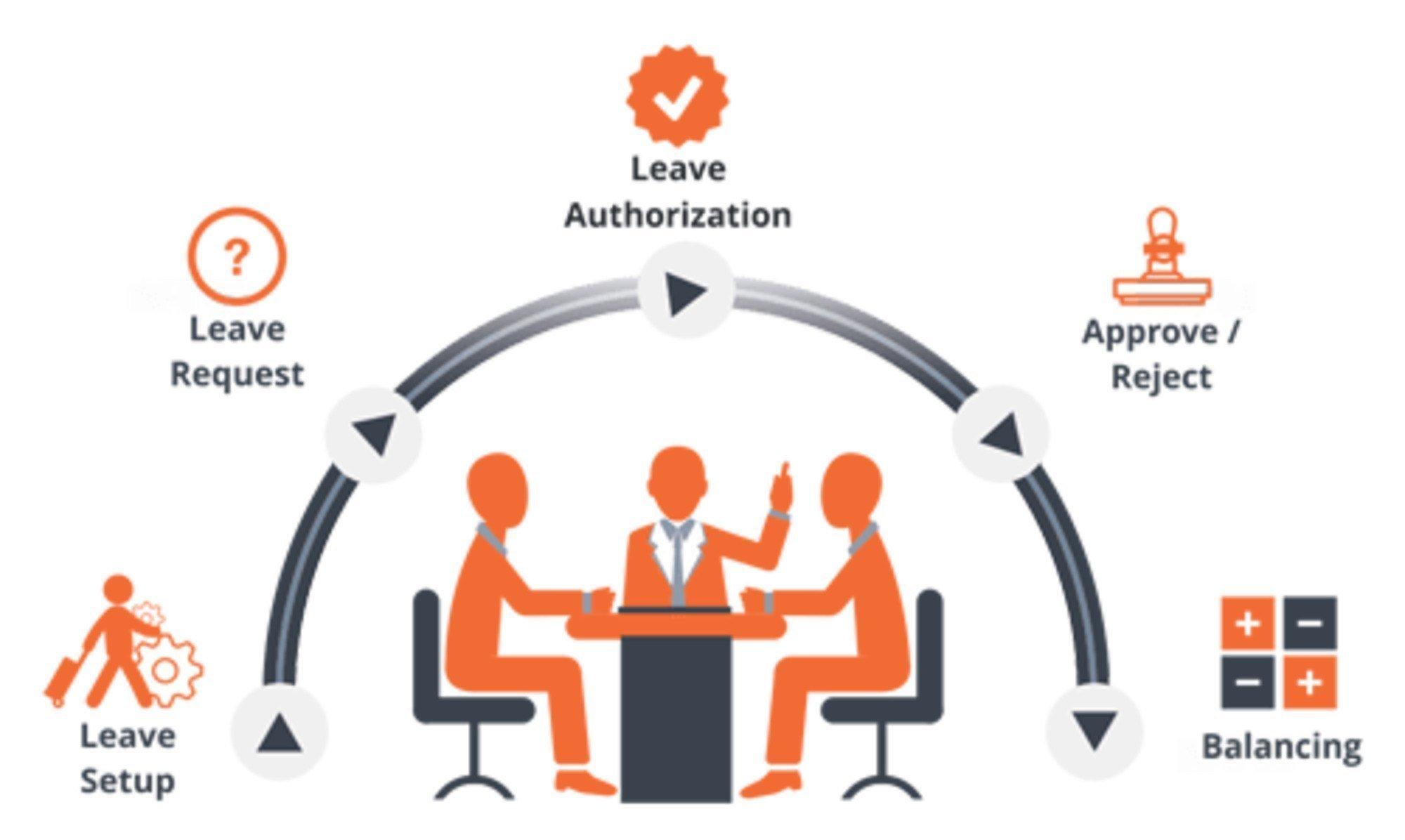
In today’s fast-paced corporate environment, managing employee time off efficiently is no longer optional—it’s a necessity. As organizations grow, manual leave tracking through spreadsheets or emails becomes error-prone, time-consuming, and frustrating for both HR teams and employees. This is where leave management software emerges as a smart HR solution, helping modern companies streamline operations, ensure compliance, and improve workforce satisfaction.
An effective employee leave management system not only simplifies leave tracking but also aligns organizational policies with employee expectations. Let’s explore how leave management software transforms HR processes and why it has become a core component of modern workforce management.
Understanding Leave Management System and Its Role in HR
Leave management system is a digital solution designed to automate and manage employee leave requests, approvals, balances, and policies. It centralizes all leave-related data, allowing HR professionals and managers to access real-time information with ease.
Unlike traditional systems, automated tools eliminate confusion around leave eligibility, loss of payment, and approvals. Employees can submit leave requests online, track their balances, and plan to leave without lengthy email threads or paperwork.
Importance of Leave Management System for Modern Organizations
The importance of leave management system lies in its ability to balance employee well-being with organizational productivity. When leave processes are transparent and fair, employees feel trusted and valued.
Key reasons why companies adopt leave management systems include:
- Reduced administrative workload for HR
- Accurate tracking of casual and earned leaves
- Compliance with labor laws
- Improved workforce planning
- Enhanced employee experience
An automated system ensures no leave data is lost or miscalculated, which is critical for payroll accuracy and compliance.
Types of Leaves Every Organization Should Track
A well-structured system must accommodate various types of leaves to meet legal and organizational needs. These typically include:
Casual and Earned Leaves Explained
Casual and earned leaves are the most common forms of time off. Casual leave is usually short-term and used for personal reasons, while earned leave accrues over time and can be utilized for longer breaks or encashed later.
Sick Leave and Loss of Payment
Sick leave ensures employees can recover without financial stress. However, when leave balances are exhausted, loss of payment (LOP) may apply. Leave management software automatically calculates LOP to prevent payroll errors.
Maternity, Paternity, and Special Leaves
Modern systems support statutory leaves such as maternity and paternity leave, as well as organization-specific special leaves.
How Leave Policy Design Impacts Workforce Efficiency
Effective leave policy design is the backbone of successful leave management. Clear policies define eligibility, accrual rules, approval workflows, and exceptions.
A digital leave management solution allows HR teams to configure and update policies easily, ensuring consistency across departments. This clarity reduces disputes and promotes fairness.
What Is Sandwich Leave Policy and How Software Manages It
The sandwich leave policy considers weekends or holidays between leave days as part of the leave period. While some organizations enforce it strictly, others offer flexibility.
Leave management software automatically applies sandwich leave rules based on company policy, eliminating confusion and manual calculations. Employees can clearly see how their leave balance is affected before submitting requests.
Creating a Proper Leave Application Format for Employee Use
A standardized leave application format for employee submissions ensures clarity and uniformity. With automated systems, employees no longer need to draft emails or follow templates.
Key elements typically included:
- Type of leave
- Duration
- Reason (optional)
- Supporting documents (if required)
Digital submission improves approval speed and record accuracy.
Guide to Restricted Holidays and Their Management
A guide to restricted holidays helps organizations offer flexibility while respecting cultural diversity. Restricted holidays allow employees to choose specific holidays based on personal or regional preferences.
Leave management software enables HR teams to define restricted holidays and lets employees select them easily without disrupting company-wide schedules.
Leave Encashment: Automating a Complex Process
Leave encashment allows employees to convert unused earned leaves into monetary benefits. Managing this manually can be complex and error-prone.
An automated leave management system tracks encashable balances accurately and integrates with payroll systems, ensuring correct payouts and compliance with company policies.
The Benefits of an Automated Leave Management System
The benefits of an automated leave management system go beyond basic leave tracking. These systems bring strategic advantages that impact the entire organization.
Improved Accuracy and Transparency
Automation eliminates manual errors and provides real-time visibility into leave balances and approvals.
Better Employee Experience
Employees can apply for leave, check balances, and plan to leave confidently without waiting for HR responses.
Data-Driven Workforce Planning
Managers gain insights into leave trends, helping them plan resources and avoid productivity gaps.
Seamless Compliance and Reporting
Automated systems generate reports required for audits and legal compliance, saving time and effort.
Employee Leave Management as a Strategic HR Tool
Modern employee leave management system is no longer just an administrative function—it’s a strategic HR tool. By analyzing leave patterns, HR teams can identify burnout risks, improve engagement, and support employee well-being.
A robust leave management system also integrates with attendance, payroll, and performance systems, creating a unified HR ecosystem.
Why Modern Companies Are Switching to Leave Management Software
With remote and hybrid work models becoming common, managing leave manually is increasingly impractical.
Leave management software offers:
- Cloud-based access
- Mobile-friendly interfaces
- Real-time notifications
- Policy flexibility
Conclusion: Investing in the Right Leave Management Solution
In an era where employee experience and operational efficiency define organizational success, investing in the right leave management software is a smart move. From handling types of leaves and sandwich leave policy to automating leave encashment and ensuring accurate loss of payment calculations, a digital system transforms how organizations manage time off.
Understanding the importance of leave management system and leveraging the benefits of an automated leave management system enables HR teams to focus on strategic initiatives rather than administrative tasks. Ultimately, a well-implemented leave management solution fosters transparency, compliance, and employee satisfaction—key ingredients for long-term business success.
 English
Join our community to interact with posts!