
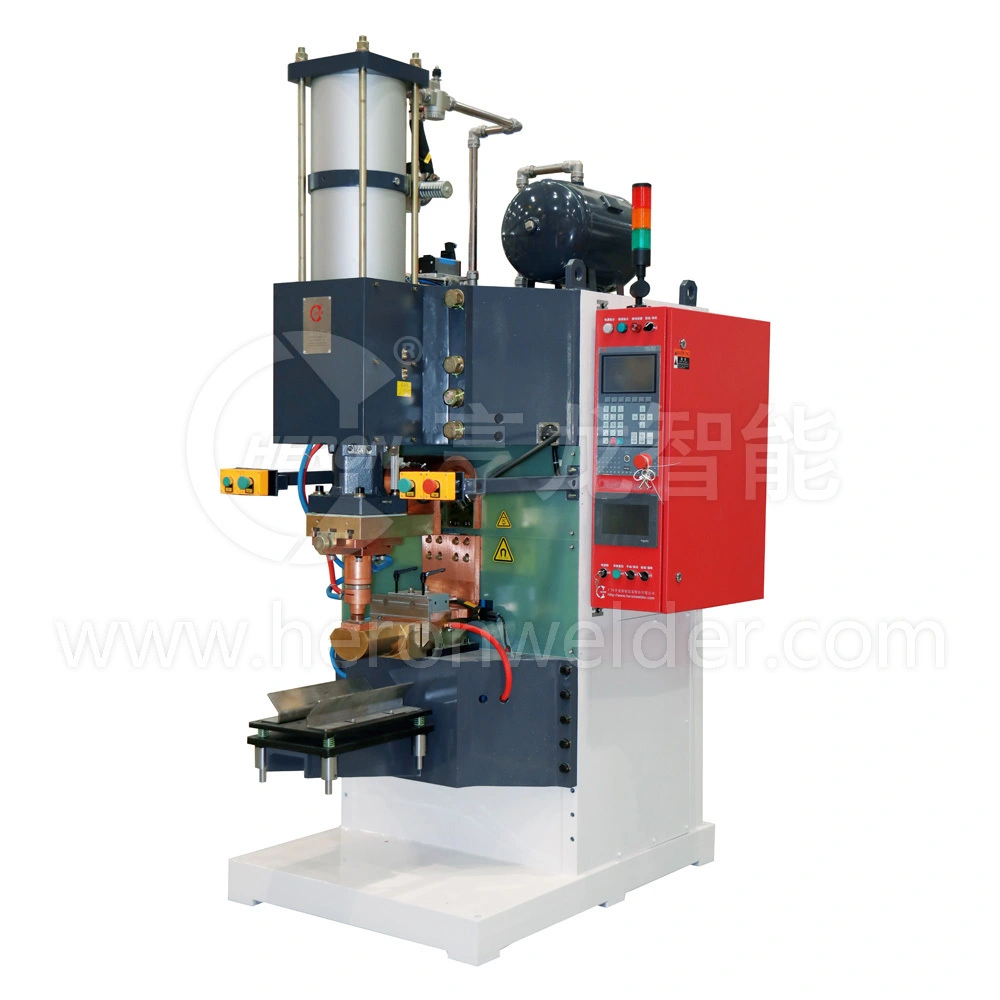
In modern manufacturing, speed, precision, and reliability are critical factors. A resistance welder has become a cornerstone tool for industries ranging from automotive to electronics, offering consistent metal-joining capabilities for high-volume production. Heron Welder, a global leader in industrial welding solutions, provides advanced resistance welding machines designed for maximum efficiency, flexibility, and automation integration.
What is a Resistance Welder?
A resistance welder is a type of electric welding machine that joins metal pieces by applying pressure and electric current to the contact area. The heat generated from the material’s electrical resistance melts the metal, forming a strong, permanent bond. Unlike traditional arc welding, resistance welding does not require filler material, shielding gases, or preheating, making it ideal for high-speed production lines.
Key components of a resistance welder include:
-
Electrodes – Conduct current and apply pressure to the workpieces.
-
Transformer or MFDC power supply – Controls current flow for precise heat generation.
-
Control system – Manages welding parameters such as current, force, and duration.
-
Frame and mechanical system – Ensures stability and consistent electrode alignment.
Heron Welder offers a full range of resistance welding machines, including spot, seam, projection, MFDC, and capacitor discharge models, each tailored to specific industrial needs.
How Resistance Welding Works
Resistance welding relies on three core principles:
-
Electrical Resistance Heating – The metal’s resistance to electric current produces heat at the interface, melting the contact area.
-
Pressure Application – Electrodes apply uniform force to forge the molten metal, ensuring a strong joint.
-
Rapid Solidification – Once the current stops, the metal cools under pressure, forming a high-strength weld.
The combination of these steps allows resistance welders to produce consistent, repeatable joints at high speeds, making them ideal for automated production environments.
Common Applications of Resistance Welders
Resistance welding is widely used across industries where high-volume, reliable metal joining is required. Typical applications include:
1. Automotive Manufacturing
-
Spot and seam welders join sheet metal panels, chassis components, and exhaust systems.
-
MFDC welders enable precise welding for aluminum and lightweight alloys used in EV production.
2. Electronics and Appliances
-
Welding of battery packs, connectors, and small enclosures ensures strong, conductive joints without compromising sensitive components.
3. Industrial Fabrication
-
Projection and capacitor discharge welders are ideal for fastening nuts, studs, and metal fittings in heavy machinery.
4. Aerospace and Energy
-
High-precision resistance welding is employed in turbine components, fuel cells, and power distribution systems for consistent, durable joints.
Heron’s machines are engineered to meet these diverse requirements, offering solutions that combine high throughput with tight process control.
Types of Resistance Welders
Heron Welder provides multiple resistance welding solutions tailored to industrial applications:
Spot Welding
-
Joins overlapping sheets at discrete points.
-
Commonly used in automotive body assembly.
Seam Welding
-
Creates continuous welds along a joint.
-
Ideal for fuel tanks, pipes, and enclosures requiring leak-proof seals.
Projection Welding
-
Uses pre-formed projections on metal surfaces to concentrate heat at weld points.
-
Suitable for fastening studs, nuts, and small components.
MFDC (Medium-Frequency Direct Current) Welding
-
Provides precise control over welding current.
-
Perfect for thin sheets, aluminum, and dissimilar metals.
Capacitor Discharge Welding
-
Delivers short, high-current pulses for thin materials and battery tab welding.
Heron’s diverse range ensures manufacturers can select a machine optimized for material type, thickness, and production speed.
Benefits of Using a Heron Resistance Welder
-
High Efficiency – Fast welding cycles reduce production time.
-
Consistent Quality – Automated controls minimize human error.
-
Versatility – Compatible with various metals and industrial applications.
-
Integration-Friendly – Easily incorporated into robotic or automated production lines.
-
Lower Operational Costs – Eliminates need for filler materials and reduces energy consumption.
Heron’s machines are backed by engineering support and custom automation solutions, ensuring every system meets specific factory requirements.
Best Practices for Resistance Welding
To maximize performance and joint quality:
-
Maintain electrode condition – Regular inspection prevents inconsistent welds.
-
Optimize welding parameters – Adjust current, force, and time based on material thickness.
-
Ensure proper alignment – Consistent electrode contact is crucial for repeatable welds.
-
Monitor process data – Heron’s controllers provide real-time monitoring for quality assurance.
-
Regular maintenance – Clean and replace worn components to sustain performance.
Following these practices ensures that production lines maintain high output without compromising weld integrity.
Heron Welder: A Trusted Partner for Industrial Welding
With decades of experience, Heron Welder is a global leader in resistance welding technology. We offer:
-
Custom-designed machines for OEMs and automation integrators.
-
Integration solutions for fully automated production lines.
-
Technical expertise to optimize welding processes, materials, and production efficiency.
By partnering with Heron, manufacturers gain access to cutting-edge welding technology and dedicated engineering support, ensuring long-term success.
FAQs About Resistance Welders
1. What metals can be welded using a resistance welder?
Resistance welding works with steel, stainless steel, aluminum, copper, and other conductive metals. Heron MFDC welders are particularly effective for thin or lightweight metals.
2. How is resistance welding different from arc welding?
Unlike arc welding, resistance welding does not require filler material, shielding gas, or open flame, making it faster and cleaner for high-volume production.
3. Can resistance welders be automated?
Yes. Heron’s machines are robot-compatible and can be integrated into fully automated production lines for increased efficiency and repeatability.
4. How long do resistance welder electrodes last?
Electrode life depends on material, current, and usage. Regular maintenance and proper cooling can extend electrode life and maintain consistent weld quality.
5. What industries benefit most from resistance welding?
Automotive, electronics, appliances, aerospace, and heavy machinery manufacturing rely heavily on resistance welding for high-speed, high-quality metal joining.
Request a Customized Solution
Heron Welder provides industrial-grade resistance welding machines, automation solutions, and technical support tailored to your manufacturing needs. Whether you require spot, seam, projection, MFDC, or capacitor discharge welding, Heron delivers solutions that enhance productivity, quality, and reliability.
Contact us today to request a quote or consult with our experts on designing a custom resistance welding solution for your production line.
 English
Join our community to interact with posts!