
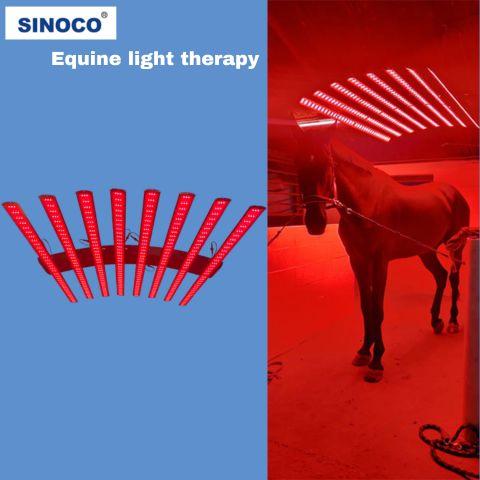
Caring for a horse goes far beyond feeding, grooming, and exercise — it’s about maintaining a standard of health that supports performance, recovery, and long‑term comfort. Today’s equine owners and professionals increasingly turn to modern therapeutic technologies to supplement traditional care, and one standout innovation is equine light therapy. This scientifically supported approach uses specific light wavelengths to encourage natural healing processes at the cellular level, offering a powerful tool for enhancing overall equine wellness.
At its core, equine light therapy — also known as photobiomodulation — involves exposing targeted areas to red and near‑infrared wavelengths. These wavelengths penetrate deep into tissues, where they stimulate mitochondria — the energy producers inside cells — to create more ATP, the energy required for cellular repair and regeneration. This increased cellular activity translates into faster healing, reduced inflammation, and improved circulation, all of which support healthier, more resilient horses.
One of the most compelling benefits of equine light therapy is its ability to enhance recovery after intense training or injury. Horses routinely experience muscle strain, joint soreness, and tendon stress, especially in disciplines like racing, jumping, and eventing. By improving blood flow and stimulating collagen production — the protein crucial for structural repair — light therapy helps sore muscles and strained tissues recover more quickly. This can significantly reduce downtime and support consistent performance.
Pain management is another area where equine light therapy shines. The anti‑inflammatory effects of targeted light exposure help reduce swelling and discomfort related to arthritis, laminitis, chronic joint pain, and other musculoskeletal issues. As inflammation decreases, horses typically exhibit improved mobility and reduced sensitivity, which can enhance comfort and quality of life without relying solely on medications.
Light therapy also benefits the skin and coat, addressing conditions like rain rot, hot‑spots, and minor wounds by stimulating faster tissue regeneration and improved circulation. Horses kept in stables or during seasonal changes often lack consistent exposure to natural sunlight — a factor that can affect skin health and mood. Equine light therapy fills that gap with controlled, therapeutic light that penetrates tissues more effectively than sunlight alone.
One of the greatest advantages of this therapy is how non‑invasive and versatile it is. It can be used alongside traditional veterinary treatments, physiotherapy, and regular grooming routines, making it a flexible option for horse owners. Typical protocols involve sessions lasting 10‑30 minutes, with frequency adjusted based on the condition being addressed — from daily treatment for acute injuries to a few times per week for maintenance or preventive wellness.
Equine light therapy doesn’t just support recovery — it also promotes overall wellbeing. Many horse owners report improvements in stress levels and behavioural calmness following sessions, suggesting the therapy may contribute to emotional as well as physical balance. This holistic aspect is especially valuable for competition horses or animals that undergo frequent travel and handling.
In summary, adopting equine light therapy as part of your horse care regimen brings together science, convenience, and effectiveness. From accelerating healing and relieving pain to enhancing skin health and boosting circulation, this therapy offers a comprehensive approach to equine wellness. Whether you manage performance horses, aging companions, or animals recovering from injury, advanced LED and infrared light treatment can help keep your horse moving comfortably and performing at their best.
 English
Join our community to interact with posts!