
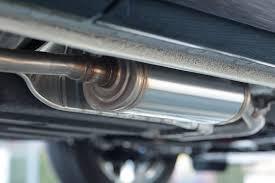
The catalytic converter market remains a strategically important segment of the global automotive emissions-control ecosystem, anchored by regulatory compliance needs while undergoing structural change driven by powertrain diversification, precious metal volatility, and evolving aftertreatment architectures. Catalytic converters reduce harmful exhaust emissions by converting carbon monoxide (CO), hydrocarbons (HC), and nitrogen oxides (NOx) into less harmful gases through catalytic reactions enabled by precious metal coatings. The category spans gasoline three-way catalysts, diesel oxidation catalysts (DOC), selective catalytic reduction (SCR) catalyst systems used alongside urea dosing in many diesel platforms, and specialized catalyst configurations tailored to hybrid duty cycles and cold-start performance. Over 2025–2034, the market outlook is expected to be shaped by a push-pull dynamic: sustained demand for emissions-compliant internal combustion and hybrid vehicles on one side, and on the other, accelerating battery-electric vehicle penetration that reduces long-term addressable exhaust aftertreatment volume in certain regions. Even in this transition, converters remain essential for a large global parc of ICE vehicles, and they continue to gain content value per vehicle as standards tighten and real-world driving emissions expectations rise.
Market overview and industry structure
The Catalytic Converter Market was valued at $59.81 billion in 2025 and is projected to reach $167.19 billion by 2034, growing at a CAGR of 12.1
The catalytic converter value chain is defined by strong interdependence between OEM platform decisions, Tier-1 aftertreatment system integrators, catalyst substrate and washcoat specialists, and upstream precious metal supply chains. A typical converter includes a metal or ceramic substrate (often a honeycomb structure), a washcoat layer that increases surface area, and active catalytic materials—primarily platinum (Pt), palladium (Pd), and rhodium (Rh) for gasoline systems, with Pt playing a major role in diesel oxidation and in many SCR-related catalyst formulations. These materials are packaged into systems engineered around engine size, fuel type, temperature profiles, space constraints, and durability targets, making converters highly program-specific rather than fully standardized commodities.
Industry structure is also shaped by module integration. In many modern vehicles, catalytic functions are distributed across multiple components: close-coupled catalysts near the engine for fast light-off, underfloor catalysts for additional conversion capacity, particulate filters integrated with catalytic coatings (GPF for gasoline direct injection and DPF for diesel), and SCR catalysts placed strategically to manage NOx conversion under different temperature windows. As a result, the “catalytic converter market” increasingly represents a suite of catalyst-bearing aftertreatment modules rather than a single canister, and suppliers compete on system-level performance, packaging efficiency, and cost-per-gram of precious metal loading.
The aftermarket is a significant parallel ecosystem. Replacement converters serve repair needs, emissions inspection compliance, and high-mileage vehicle maintenance. However, the aftermarket is also affected by theft risk (driven by precious metal value), regulatory enforcement against non-compliant parts, and the availability of recycled catalyst materials. Recycling and “closed-loop” precious metal recovery have become more strategically relevant, linking end-of-life collection networks to primary supply risk management for manufacturers.
Industry size, share, and market positioning
Catalytic converters sit at the intersection of emissions regulation and vehicle production, which makes market positioning sensitive to both policy and platform mix. In gasoline passenger vehicles, three-way catalysts remain foundational, while in diesel commercial and heavy-duty segments, multi-stage aftertreatment packages combining DOC, DPF, and SCR catalysts dominate. Hybrids create a distinct demand profile: frequent engine on/off cycles and lower average exhaust temperatures increase the importance of fast light-off and robust low-temperature conversion, often driving more advanced catalyst placement and calibration support.
Market share is shaped by (1) the ability to deliver consistent conversion efficiency across real-world conditions, (2) strong validation and durability performance across thermal aging and vibration cycles, (3) access to substrate capacity and washcoat technology, and (4) procurement competitiveness under precious metal price swings. Suppliers that can reduce required precious metal loading through higher-activity washcoats and optimized catalyst distribution gain advantage, because OEMs and Tier-1s continually seek lower total system cost without compromising compliance.
Key growth trends shaping 2025–2034
One major trend is the continued tightening of emissions performance expectations beyond laboratory cycles. Regulators and rating bodies increasingly emphasize real-driving emissions, cold-start performance, and durability over extended useful life. This pushes converter designs toward faster light-off, improved thermal management, and catalysts that remain active after long-term aging, increasing technical complexity and value per vehicle.
A second trend is the evolution of catalyst formulations and precious metal substitution strategies. Price volatility and supply concentration encourage ongoing shifts between palladium and platinum where technically feasible, and innovation in washcoats aims to maintain conversion performance with lower rhodium dependence in certain applications. These changes are not simple swaps; they require re-optimization of catalyst chemistry, thermal stability, and interaction with engine calibration and onboard diagnostics.
Third, particulate control integration is expanding. Gasoline particulate filters (GPF) continue to grow where direct injection and tighter particulate standards apply, and many systems combine catalyst function with filtration. This increases aftertreatment content per vehicle and drives demand for integrated catalyst-coated substrates that balance backpressure, filtration efficiency, and conversion performance.
Fourth, hybridization and downsized turbocharged engines reshape thermal profiles. Turbocharging increases localized heat and packaging density underhood, while hybrid duty cycles can reduce exhaust heat availability. Both trends push OEMs to invest in thermal architecture—insulation, close-coupled catalyst placement, and optimized warm-up strategies—to ensure converters perform well under varied use cases.
Fifth, recycling and circular supply chains are becoming core to competitiveness. As end-of-life catalyst recovery becomes more sophisticated, manufacturers and refiners strengthen take-back programs and sourcing relationships to secure secondary precious metal supply, reduce cost risk, and improve sustainability narratives.
Core drivers of demand
The most fundamental driver remains emissions compliance. Catalytic converters are non-negotiable for ICE and hybrid vehicles sold into regulated markets, and as standards tighten, the required conversion efficiency and durability increase. A second key driver is the continued large installed base of ICE vehicles globally, supporting both OEM production demand and aftermarket replacement needs. Even as EVs grow, the global parc turnover is gradual, sustaining converter demand across many regions throughout the forecast period.
Commercial vehicle and logistics growth is another demand driver. Heavy-duty trucks, buses, and off-highway equipment that continue to rely on diesel or alternative combustion fuels require sophisticated NOx control systems, supporting demand for SCR catalysts and related aftertreatment modules. Additionally, consumer and fleet preference for fuel efficiency has historically accelerated downsizing and turbocharging—powertrain designs that often require carefully engineered aftertreatment to manage higher exhaust energy and transient operating conditions.
Finally, durability and warranty economics matter. Poor aftertreatment performance can trigger regulatory non-compliance, check-engine events, and costly recalls. OEMs therefore prioritize suppliers with proven validation and stable manufacturing quality, supporting long-term contracts and multi-platform program wins.
Challenges and constraints
Precious metal price volatility remains the most visible constraint. Platinum, palladium, and rhodium prices can swing sharply, affecting converter cost, vehicle bill of materials, and pricing negotiations. This volatility forces continuous re-engineering of catalyst loadings and supply strategies, and it increases the importance of recycling as a stabilizing input.
Another challenge is technical complexity under real-world conditions. Converters must perform under cold-start, short-trip driving, high-load towing, and stop-and-go urban cycles, while also meeting long durability requirements. Thermal aging, poisoning from fuel or oil contaminants, and mechanical damage from vibration or road impact can degrade performance, requiring robust design and validation.
The market also faces structural demand headwinds from battery-electric vehicles in regions with aggressive electrification policies. While hybrids can partially offset this in the medium term, long-run ICE share declines create strategic pressure for converter suppliers to diversify into adjacent thermal management, filtration, or broader emissions-control technologies for combustion engines that remain.
Theft and counterfeit risk is an additional constraint, especially in the aftermarket. Elevated precious metal values have driven converter theft in many markets, creating replacement demand but also regulatory scrutiny and insurance-related friction. Meanwhile, non-compliant aftermarket parts can undermine emissions outcomes and trigger enforcement actions, shaping channel strategies for legitimate suppliers.
Browse more information
https://www.oganalysis.com/industry-reports/catalytic-converter-market
Segmentation outlook
By vehicle type, passenger vehicles remain the largest volume segment, while commercial vehicles drive high-value aftertreatment complexity due to stringent NOx control needs and multi-stage systems. By fuel type, gasoline three-way catalysts remain dominant in many regions, diesel systems sustain strong demand in heavy-duty applications, and hybrids continue to grow as a bridge technology that increases catalyst engineering requirements. By component architecture, growth favors integrated systems—close-coupled catalysts, catalyst-coated filters, and modular aftertreatment assemblies designed to meet durability and real-driving performance targets. By channel, OEM fitment remains the core revenue engine, while the aftermarket remains meaningful but more fragmented and shaped by regulation, inspection regimes, and theft-driven replacement cycles.
Key Market Players
- Clariant International Ltd
- Johnson Matthey Plc
- Haldor Topsoe India Private Limited
- QuantumSphere Inc.
- Chempack Solutions Inc.
- China Petroleum & Chemical Corporation
- ThyssenKrupp AG
- BASF SE
- Casale SA
- mmcité1 s.r.o.
- LKAB Minerals Limited
- N.E. Chemcat Corporation
- Quality Magnetite LLC
- LyondellBasell Industries N.V.
- Agricen
- DowDuPont Inc.
- Oham Industries Limited
- Albemarle Corporation
- Unicat Catalyst Technologies Inc.
- Süd-Chemie India Pvt. Ltd.
- Catalyst Biosciences Inc.
- BioWorks Inc.
- Camson Bio Technologies Limited
- Catalyst AG
- CF Industries Holdings Inc.
- Chemi Nutra
- Coromandel International Limited
Competitive landscape and strategy themes
Competition centers on catalyst chemistry capability, substrate and washcoat technology, manufacturing scale, and program execution reliability. Leading strategies through 2034 are likely to include: improving low-temperature conversion performance for hybrid-heavy fleets; reducing precious metal loading through higher-activity formulations and optimized catalyst distribution; strengthening recycling and closed-loop sourcing to manage cost risk; expanding global manufacturing footprints near OEM assembly hubs; and investing in validation toolchains that simulate real-world driving emissions and long-life durability.
Suppliers also increasingly compete on system integration support—working closely with OEMs and Tier-1s on calibration, thermal modeling, onboard diagnostics robustness, and packaging optimization. As compliance margins tighten, converter performance becomes inseparable from the overall powertrain and aftertreatment control strategy, favoring partners with deep engineering collaboration capabilities rather than commodity-only offerings.
Forecast perspective (2025–2034)
From 2025 to 2034, the catalytic converter market is positioned for continued relevance and technical upgrading, even as long-term electrification reduces the ultimate ceiling for exhaust aftertreatment volumes in some regions. Near- to mid-term growth is supported by tighter emissions expectations, higher aftertreatment content per vehicle, and sustained production of ICE and hybrid platforms globally—especially in segments and geographies where cost, infrastructure, and duty cycles favor combustion powertrains. Over time, market winners will be those that can deliver compliance with lower precious metal cost exposure, strong low-temperature performance suited to hybrid operation, and resilient supply chains supported by recycling and global manufacturing capability. By 2034, catalytic converters are likely to be increasingly engineered as high-performance, system-integrated emissions platforms—optimized for real-world durability and cost stability—rather than as standalone exhaust components.
Browse Related Reports
https://www.oganalysis.com/industry-reports/automobile-front-caliper-market
https://www.oganalysis.com/industry-reports/drive-shaft-market
https://www.oganalysis.com/industry-reports/catalytic-converter-market
https://www.oganalysis.com/industry-reports/automotive-heat-shield-market
https://www.oganalysis.com/industry-reports/advanced-suspension-control-system-market
 English
Join our community to interact with posts!