
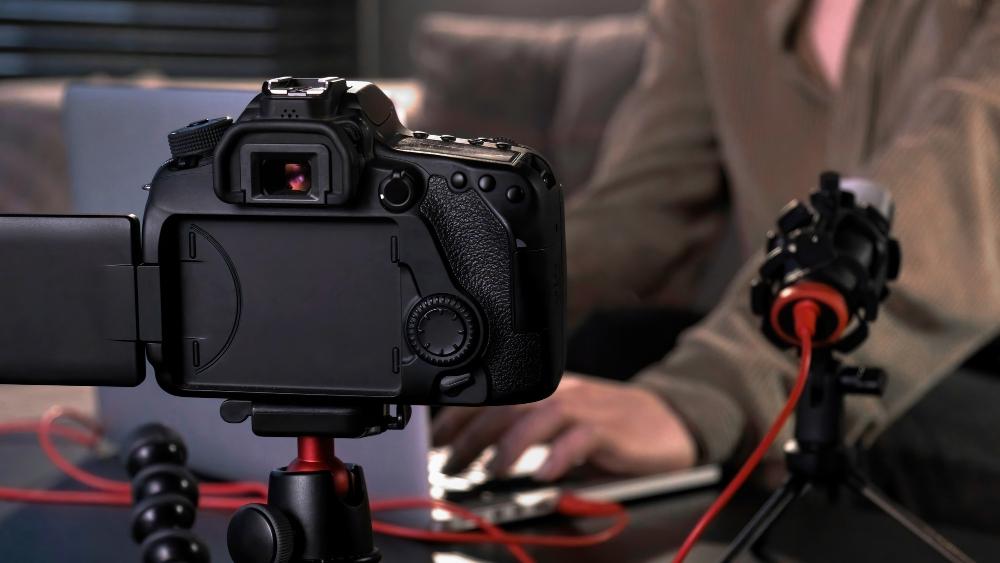
Nobody walks onto a big set thinking, “Today is the day something breaks.” And yet… we have all been there. A card fails. A file goes missing. A drive makes that awful clicking sound. On a high-budget shoot, those moments can cost real money and real trust. That is why every commercial video production company that works at a serious level treats backup systems like a safety net you never want to see but always want ready.
Let us talk about how that safety net actually works, in plain words.
It Starts Before the Camera Even Rolls
Here is the thing many people do not see. Backup planning starts way before shoot day. We sit down and ask boring but critical questions. What if a camera fails? What if power drops? What if data gets corrupted?
According to a 2023 report by Backblaze, nearly 1.5 percent to 2 percent of hard drives fail every year, even new ones. That may sound small, but on a shoot with dozens of drives and cards, the risk adds up fast. That is why planning backups early is not optional. It is survival.
Dual Recording on Set
Most high-end cinema cameras used on commercial sets record to two cards at the same time. Same footage, two places. If one card goes bad, the other one keeps smiling.
ARRI and RED cameras, which dominate big commercial work, support this feature for a reason. It is not fancy tech. It is common sense. We would rather swap a card than reshoot an entire day with actors, lights, and permits. That is why dual recording is a must-have, not a nice-to-have.
On-Set Data Backup… Right Away
Once a card comes out of the camera, it never just sits around. A dedicated DIT, that is the Digital Imaging Technician, takes over. Their whole job is data safety.
The standard rule followed on big sets is the “3-2-1” backup method. This is not a trend. It is an industry standard backed by data safety experts.
That means:
- 3 copies of the footage
- 2 different types of storage
- 1 copy stored separately
Usually, footage is copied to two separate hard drives on set, often RAID drives, and then verified using checksum software like ShotPut Pro. Verification matters because copying without checking is just guessing.
Power Backup That Nobody Notices
Lights, monitors, data stations… everything needs power. High-budget shoots never rely on a single power source. Battery backups and UPS systems quietly sit in the background.
If power drops for even a second while data is copying, files can get corrupted. A UPS gives enough time to safely stop or finish transfers. According to APC, sudden power loss is one of the top causes of data corruption in digital workflows. That is why power backup is boring but critical.
Cloud Backups… Yes, Even on Big Shoots
Cloud backup used to sound unrealistic on location. Not anymore. With faster mobile internet and bonded connections, many productions upload proxy files to the cloud during or right after shoot days.
This is not always the main backup, but it adds another layer of safety. Editors can even start early. For brands working with teams in different cities, this system keeps things moving and reduces risk.
Interestingly, a 2022 survey by Frame.io showed that over 60 percent of commercial productions now use some form of cloud-based review or storage during production. That number keeps growing.
Backup for Gear, Not Just Files
Backup is not only about data. Cameras fail. Lenses act weird. That is why extra bodies, spare lenses, and duplicate audio gear are standard on high-budget sets.
If a main camera goes down, production does not stop. We switch and keep rolling. This mindset is something local video production companies are also adopting more and more as expectations rise. Clients want reliability, no matter the scale.
Why All This Matters More Than You Think
Here is the honest part. Clients rarely ask about backup systems. They just expect things to work. And when nothing goes wrong, nobody notices the planning behind it. That is kind of the point.
When backup systems do their job, the shoot feels smooth. Calm. Almost easy. When they are missing, chaos shows up fast.
So yes, it may look like overkill from the outside. Extra drives. Extra power. Extra gear. But on high-budget commercial shoots, backup systems are not about fear. They are about respect… for the client’s money, the crew’s time, and the story being told.
And that mindset is slowly becoming the standard everywhere, from massive agencies to trusted local video production companies who want to play the long game.
 English
Join our community to interact with posts!