
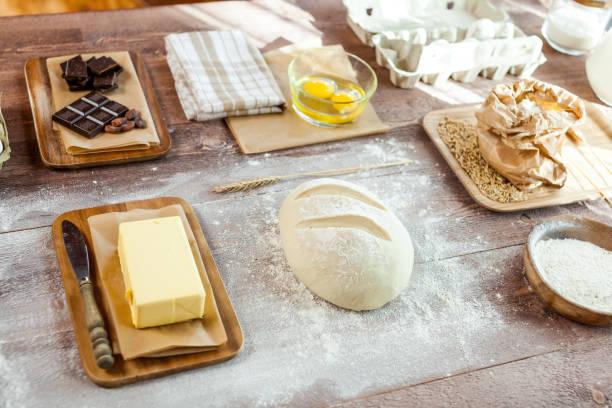
Let’s be honest. You’ve stared at those perfect sourdough loaves online and thought—what the hell am I doing wrong? You follow the recipe, you knead until your arms nearly fall off, and you even let the dough sit overnight. And still? Flat. Pale. Kinda sad-looking bread. Here’s the truth most beginners don’t realize: the gear matters. Not fancy mixers, not thousand-dollar ovens. I’m talking about the unsung heroes—proofing baskets and a solid bread proofer. These two little tools change everything. Structure, rise, crust. They take your bread from “meh” to “wow.”
Proofing Baskets: Not Just Some Fancy Wicker Bowl
The best proofing basket isn’t just for looks. Yeah, the flour spirals look pretty, but that’s just surface decoration. What matters is structure. Dough is alive, it spreads if you don’t hold it in place. A banneton basket keeps it contained while it ferments. That means a taller loaf, better shape, and that crusty golden dome that makes you proud to slice it. Cheap colanders? Mixing bowls? They don’t breathe, they don’t wick away moisture. A real proofing basket makes the dough surface tacky, so it scores clean and rises proud.
Why Your Kitchen Temperature is Screwing You Over
Here’s the kicker: bread is moody. It hates extremes. Too cold, it sulks. Too hot, it overproofs. This is where a bread proofer changes the game. No more guessing if your dough needs 6 hours or 12. You set the temperature, humidity stays steady, and your dough just does what it’s supposed to. Consistency. That’s the real secret. One day your kitchen is warm and humid, the next it’s drafty and bone-dry. With a proofer, you remove the drama. Every bake starts on equal ground.

The Partnership: Basket + Proofer, A Tag Team for Dough
It’s not one or the other. The best bread comes when you use both. The proofer gets your dough right where it needs to be—fermentation sweet spot. Then the proofing basket takes over, giving shape and structure for that final rise. You want big open crumb, chewy crust, rustic beauty? You need the combo. One preps, the other finishes. That’s how you get loaves worth bragging about.
The Texture Upgrade Nobody Talks About
Everyone’s obsessed with holes. Instagram sourdough is basically one big brag about open crumb shots. But those holes don’t just appear. They come from strong fermentation and supported proofing. A basket helps the dough rise upward, not sideways. That vertical push creates tension. And tension leads to that springy, chewy bite we all want. Without it, you get gummy centers or flat, dense bread. Nothing kills your baking buzz like slicing into a brick.
Proofing Basket Materials: Wood, Cane, Plastic… What’s Best?
You’ll see cane, rattan, even wood pulp baskets. People argue endlessly about which is best. Truth? They all work if you flour them right. But cane bannetons? They breathe beautifully. They pull a little surface moisture, leaving the skin slightly dry. That’s what makes scoring clean and crusts crackle. Plastic is easy to clean but doesn’t have that same magic. If you want old-school results, go natural. Simple as that.
Bread Proofer: Not Just for Bread Nerds
Maybe you’re thinking—do I really need a proofer? My grandma didn’t use one. True. But your grandma also baked in a totally different environment. Kitchens were warmer, no AC blasting all day. Modern kitchens kill fermentation. Plus, a bread proofer isn’t just for sourdough. Use it for pizza dough, cinnamon rolls, even yogurt or kombucha. It’s like having a controlled fermentation chamber. Way more versatile than people think.
Common Mistakes with Proofing Baskets (And How to Fix Them)
Mistake one: not enough flour. Your dough sticks like glue and tears when you tip it out. Easy fix—use a 50/50 mix of rice flour and bread flour. Rice flour doesn’t absorb moisture, so it stays loose. Mistake two: washing your basket too much. These things season like cast iron. Knock the flour out, let it dry, done. Overwashing ruins the surface. Mistake three: using the wrong size basket. If your dough barely fills the basket, it spreads flat instead of rising. Pick one that hugs your dough.

How Long Should You Proof Bread, Really?
This is the eternal question. The answer? It depends on your dough, your flour, your temperature. Annoying but true. That’s why the bread proofer is gold. You can set it at 75°F and know your dough will proof consistently. Without it, you’re guessing. Some loaves might be ready in 2 hours, others in 5. Too short, and you get dense, sad bread. Too long, and it collapses. With a proofer, you stop gambling and start controlling.
Do You Need Both Tools to Bake Decent Bread?
Here’s the straight talk. You can bake bread without either. But it won’t be the same. A proofer makes your life way easier, and a proofing basket makes your loaves look and taste better. Together, they save you from frustration and wasted flour. If you’re serious about baking—invest. If you’re casual, start with a basket. Cheap, simple, noticeable upgrade. When you’re hooked (and you will be), add the proofer.
Real Talk: The Cost vs. Payoff
I hear it all the time. “Why spend $40 on a basket or $200 on a proofer?” Simple answer: because it makes your bread actually turn out. How much is your time worth? How many disappointing loaves before you give up? Tools matter. And unlike gadgets that just clutter your kitchen, these ones earn their space. You’ll use them weekly if not daily. They don’t wear out fast, either. Long-term investment in better bread.

Where to Start (And Why Abioto Baking Has You Covered)
So here’s the deal. If you’re ready to stop guessing and start baking bread you’re proud of, grab yourself the right tools. A solid proofing basket for shape and structure. A reliable bread proofer for consistency. It’s that simple. You don’t need to overcomplicate it, but you do need gear that works. And if you’re wondering where to look—visit Abioto Baking. They’ve got the gear, the know-how, and the kind of stuff real bakers actually use. Don’t keep struggling with flat loaves. Get the tools, bake the bread, enjoy the results.
FAQs
What is the best proofing basket for sourdough bread?
A cane or rattan proofing basket is ideal. It gives structure, wicks moisture, and helps create a crisp crust with beautiful scoring.
Do I really need a bread proofer?
Not mandatory, but it makes fermentation consistent. A bread proofer eliminates temperature guesswork, helping you get reliable results every time.
How do I keep dough from sticking to my proofing basket?
Use a 50/50 flour mix with rice flour and bread flour. Dust generously and avoid washing the basket too often.
Can I use a bread proofer for things other than bread?
Yes. Proofers are versatile—great for pizza dough, bagels, rolls, even yogurt or kombucha fermentation.
How long should bread proof in a basket?
Depends on dough and conditions, but usually 1–3 hours at room temp. With a bread proofer, you can dial in time precisely.
 English
Join our community to interact with posts!