
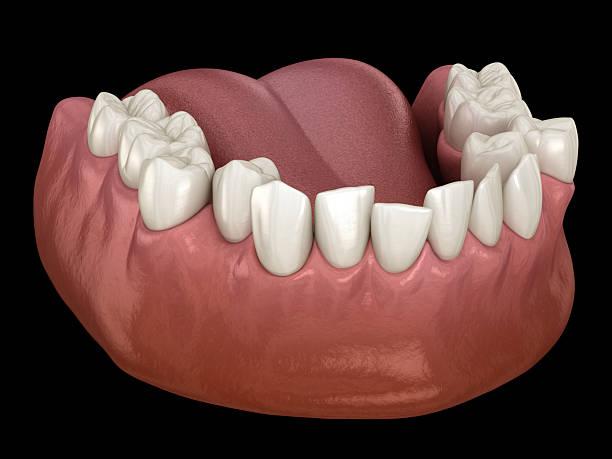
Why Impacted Canine Surgery Comes Up More Than You Think
Let’s be real. Most people don’t even know what an impacted canine is until an X-ray shows one hiding where it shouldn’t be. These teeth, usually the upper canines, are supposed to slide into place around the early teen years. But sometimes they don’t. They stay trapped in the jawbone, angled wrong, blocked by other teeth, or just stubborn. That’s when impacted canine surgery enters the conversation. And yes, it sounds dramatic, but it’s more common than people think. Mouth surgeons see this regularly, especially in busy cities where orthodontic cases are routine.
What Exactly Is an Impacted Canine
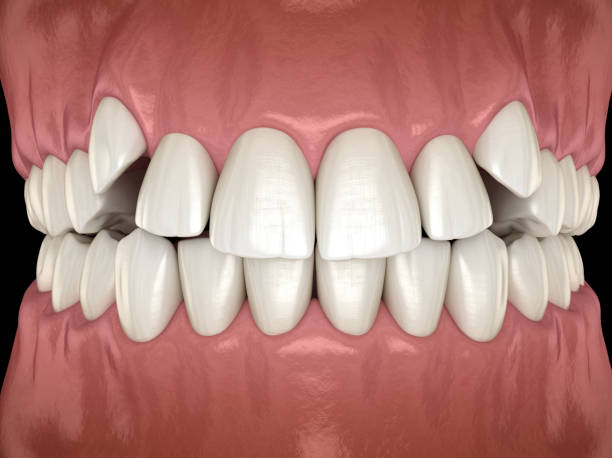
An impacted canine is basically a tooth that failed to erupt properly. It’s stuck. Either fully under the gum or partially visible but not moving into position. The short answer is, it won’t fix itself. These teeth are important. They guide your bite, support facial structure, and help with chewing. When they stay buried, problems can build quietly. Crowding. Pressure. Damage to nearby roots. That’s why mouth surgeons take it seriously even if you’re not in pain yet.
Why Adults Still Need Impacted Canine Surgery
A lot of people assume this is just a teenage issue. Not true. Adults discover impacted canines all the time during routine scans or when something feels off. Sometimes it was missed years ago. Other times it shifted later. Impacted canine surgery in adults can be slightly more complex because bone is denser and healing is slower, but it’s still very doable. Mouth surgeons plan differently for adults, adjusting for bone quality and surrounding structures. Age alone doesn’t cancel your options.
How Mouth Surgeons Diagnose the Problem
Diagnosis isn’t guesswork. It starts with imaging. Detailed scans show exactly where the canine sits, how close it is to other roots, and whether it’s angled sideways or upward. Mouth surgeons look at spacing, gum health, and the overall bite. Sometimes orthodontic planning is involved. Sometimes not. The key is precision. Impacted canine surgery isn’t about digging around and hoping for the best. It’s calculated. Measured. Deliberate.
What Happens During Impacted Canine Surgery
Truth is, the word surgery scares people more than the actual procedure. Impacted canine surgery usually involves exposing the trapped tooth and creating a path for it to move into place. In some cases, a small attachment is bonded to the tooth so it can be gently guided with orthodontic force. Other times, if the tooth can’t be saved or positioned properly, removal may be recommended. Mouth surgeons decide based on structure, not emotion. Sedation options keep patients comfortable. The process is controlled and careful.
Is It Painful or Just Uncomfortable
People always ask this. The short answer is, discomfort is manageable. Swelling happens. Mild soreness, sure. But modern surgical techniques make recovery smoother than people expect. Mouth surgeons use careful tissue handling to minimize trauma. Most patients describe it as more annoying than unbearable. A few days of soft foods, some rest, and things settle down. It’s rarely the horror story people imagine in their head at 2 a.m.
Why Leaving an Impacted Canine Alone Is Risky
Let’s talk about the alternative. Doing nothing. Sometimes people delay impacted canine surgery because it isn’t hurting yet. But hidden teeth can cause root resorption, meaning they slowly damage neighboring teeth. Cysts can form around impacted teeth too. Not common every time, but common enough. Mouth surgeons see the aftermath of ignored cases more than they’d like. Early intervention usually means simpler treatment. Waiting can complicate things.
The Role of Mouth Surgeons Versus General Dental Experts
There’s a reason mouth surgeons handle impacted canine surgery instead of general dental experts. It’s about training and surgical depth. Impacted teeth often sit close to nerves or sinus cavities. You need someone comfortable working in those spaces. An oral surgeon understands anatomy at a surgical level. That matters. Especially when long-term bite function is involved. Precision isn’t optional here.
Recovery Timeline and What to Expect After Surgery
Healing doesn’t drag on forever. Initial swelling peaks around day two or three. Most patients return to normal routines within a week. Full integration of the tooth into its correct position, if guided orthodontically, takes longer. Months sometimes. But that’s a coordinated effort between specialists. Mouth surgeons monitor healing closely in the early stages. Follow-up visits aren’t just formalities. They make sure bone and gum tissue respond the way they should.
Long-Term Benefits of Impacted Canine Surgery
When done correctly, impacted canine surgery protects the bite and preserves surrounding teeth. It can prevent future crowding issues. It also supports facial balance, especially in the upper jaw. Canines play a bigger role in your smile than people realize. Mouth surgeons aim for function first, aesthetics second, but both improve when alignment is restored. And honestly, peace of mind counts too. Knowing nothing hidden is causing damage under the surface feels good.
Choosing the Right Mouth Surgeons for the Job
Not all surgical experiences are equal. Experience matters. Case volume matters. You want mouth surgeons who’ve handled complex impactions before, not just textbook examples. Ask questions. Look at imaging. Get clarity on the plan. Impacted canine surgery isn’t something to rush into blindly, but it’s also not something to postpone out of fear. A calm, skilled oral surgeon makes a difference in both outcome and experience.
When It’s Time to Make the Decision
If scans show an impacted canine and symptoms are starting, or even if they’re not yet, it’s worth having the conversation. The longer a tooth stays trapped, the more unpredictable things can become. Impacted canine surgery is often preventative as much as corrective. Mouth surgeons evaluate risk versus reward carefully. And when intervention is advised, it’s usually because the long-term benefits outweigh the short-term discomfort.
FAQs About Impacted Canine Surgery and Mouth Surgeons
What causes impacted canines in the first place
Genetics, crowding, abnormal eruption paths, or retained baby teeth are common causes. Sometimes there’s no clear reason at all.
Can impacted canine surgery be avoided
In mild cases, early orthodontic intervention may help, but once the tooth is fully impacted, surgery is often necessary.
How long does impacted canine surgery take
The procedure itself usually lasts under an hour, depending on complexity and positioning.
Are mouth surgeons specially trained for this
Yes. Mouth surgeons complete advanced surgical training focused on complex tooth impactions and jaw procedures.
What happens if an impacted canine is removed instead of repositioned
If removal is necessary, options like orthodontic space closure or future restorative solutions may be discussed to maintain function and balance.
If you’re dealing with an impacted tooth or have been told surgery might be needed, don’t sit on it too long. Get clarity from experienced mouth surgeons who handle these cases every week. Visit New York Oral & Facial Surgery to start and take the next step with confidence.
 English
Join our community to interact with posts!