
Injuries can happen suddenly during sports, daily activities, or unexpected accidents and they often bring pain, swelling, and limited movement. At First Care Family Clinic, patients frequently seek treatment for Fractures & Dislocations, two common orthopedic injuries that require prompt care and structured rehabilitation. Understanding the recovery process, treatment options, and rehabilitation strategies is essential for restoring strength and preventing long-term complications. With proper medical guidance and a personalized recovery plan, most individuals can safely return to their normal routines.
Understanding Fractures & Dislocations
Fractures occur when a bone cracks or breaks due to trauma, falls, or high-impact force. Dislocations happen when a joint is forced out of its normal position, often affecting shoulders, fingers, knees, or elbows. While both injuries involve the musculoskeletal system, they differ in structure and treatment approach.
Common causes include sports injuries, vehicle accidents, workplace incidents, and even simple slips or falls. Symptoms may include intense pain, swelling, bruising, visible deformity, and difficulty moving the affected area. Immediate evaluation is important to prevent complications such as nerve damage or improper healing.
Types of Fractures and Dislocations
Understanding the type of injury helps determine the best recovery strategy.
- Simple (Closed) Fracture
A break in the bone without penetrating the skin. These are common and usually treated with immobilization such as casting or splinting. - Compound (Open) Fracture
The bone breaks through the skin, increasing the risk of infection. Immediate medical attention and sometimes surgery are required. - Stress Fracture
Small cracks caused by repetitive motion or overuse, often seen in athletes. Early diagnosis prevents worsening of the injury. - Shoulder or Finger Dislocation
A joint that slips out of place, commonly due to trauma or sports impact. Prompt repositioning reduces pain and prevents joint instability.
Each injury type requires accurate diagnosis using physical exams and imaging tests such as X-rays to guide proper treatment.
Immediate Treatment and Stabilization
The first step in managing orthopedic trauma is stabilizing the injury. Immobilization reduces pain and prevents further damage. In some cases, realigning the bone or joint called reduction is necessary before applying a cast or brace.
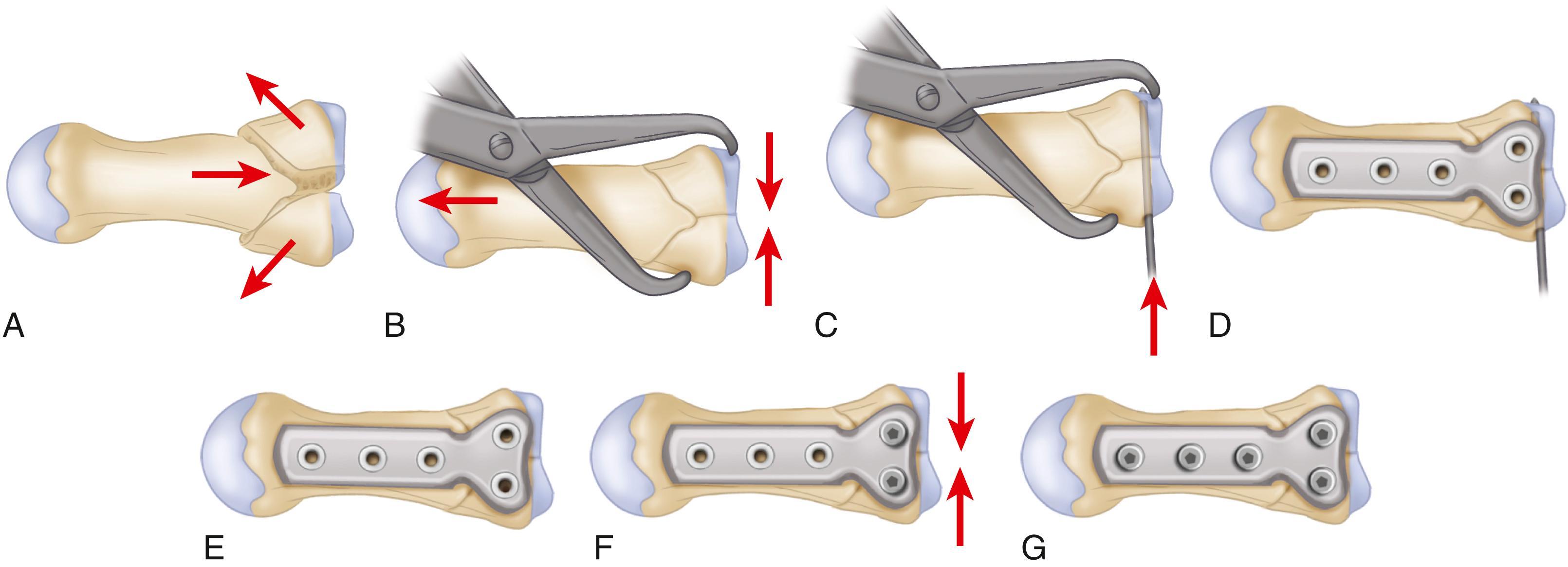
Pain management, swelling control with ice, and elevation of the injured limb are also critical during the early stages. For severe fractures, surgical intervention with pins, plates, or screws may be recommended to ensure proper alignment.
Timely intervention significantly improves healing outcomes and reduces the risk of chronic complications.
The Recovery Timeline
Healing time varies depending on age, health status, and injury severity. Minor fractures may heal within six weeks, while complex injuries can take several months. Dislocations often heal faster but may require rehabilitation to restore joint stability.
During recovery, follow-up visits are essential to monitor bone healing and adjust treatment plans. Gradual movement is introduced once the bone shows signs of stability. Patients are encouraged to follow medical advice carefully to avoid reinjury.
Rehabilitation: The Key to Full Recovery
Rehabilitation plays a vital role in regaining strength, flexibility, and mobility after Fractures & Dislocations. Without proper rehab, stiffness and muscle weakness may persist.
- Physical Therapy Exercises
Structured exercises improve joint flexibility and muscle strength. Therapists guide patients through movements that gradually restore full function. - Strength Training
Once healing progresses, resistance exercises help rebuild muscle mass and support surrounding joints. - Range-of-Motion Activities
Gentle stretching prevents stiffness and enhances flexibility, especially after prolonged immobilization. - Balance and Coordination Training
These exercises reduce the risk of future falls and injuries by improving stability and control.
A customized rehabilitation plan ensures steady improvement without overloading the healing area.
Preventing Complications
Complications can occur if fractures or dislocations are not treated properly. These may include improper bone alignment, chronic pain, joint stiffness, or arthritis. Preventive care includes:
- Following Medical Instructions
Adhering to weight-bearing restrictions and activity guidelines supports proper healing. - Maintaining a Healthy Diet
Nutrients like calcium, vitamin D, and protein promote bone repair and strength. - Avoiding Early Overuse
Returning to intense activity too soon may cause reinjury or delayed healing. - Regular Follow-Ups
Ongoing medical evaluations ensure the bone or joint heals correctly and remains stable.
By combining medical supervision and patient commitment, recovery outcomes are significantly improved.
The Emotional Side of Recovery
Orthopedic injuries do not only affect the body; they can also impact mental well-being. Temporary loss of mobility may cause frustration or anxiety, especially for active individuals. Support from healthcare providers, family, and rehabilitation specialists helps maintain motivation throughout the healing journey.
Patients are encouraged to set realistic goals and celebrate small milestones, such as improved range of motion or reduced pain. Maintaining a positive outlook supports overall recovery and resilience.
Long-Term Joint and Bone Health
After healing, protecting bone and joint health becomes a priority. Regular exercise, strength training, and stretching routines help maintain flexibility and reduce the risk of reinjury. Wearing protective gear during sports and practicing proper lifting techniques further lowers injury risk.
Adults, particularly older individuals, should consider bone density evaluations and fall-prevention strategies. Early detection of bone weakness reduces the likelihood of future fractures.
When to Seek Immediate Medical Care
Although many injuries can be treated successfully, certain symptoms require urgent evaluation. Seek medical attention if there is severe pain, numbness, loss of circulation, visible deformity, or inability to move the affected area. Prompt care prevents complications and ensures better long-term outcomes.
Recognizing warning signs early allows patients to receive timely and effective treatment.
Conclusion
Recovering from Fractures & Dislocations requires more than just immobilizing a bone or resetting a joint. It involves a comprehensive plan that includes accurate diagnosis, proper treatment, and structured rehabilitation. At First Care Family Clinic, patients receive personalized care designed to restore mobility, strength, and confidence. With expert guidance and commitment to recovery, individuals can safely return to their normal activities and maintain long-term musculoskeletal health.
FAQs
- How long does it take for fractures to heal?
Most simple fractures heal within 6,8 weeks, but severe cases may require several months depending on the injury and patient health. - Can a dislocated joint heal without treatment?
No. A dislocation must be properly repositioned by a medical professional to prevent long-term damage. - Is physical therapy necessary after a fracture?
Yes. Physical therapy helps restore strength, flexibility, and mobility after immobilization. - What foods help bone healing?
Calcium-rich foods, vitamin D, lean protein, and leafy greens support bone repair and overall recovery. - How can I prevent future fractures or dislocations?
Regular exercise, proper safety measures, balanced nutrition, and routine medical checkups reduce injury risk.
 English
Join our community to interact with posts!