
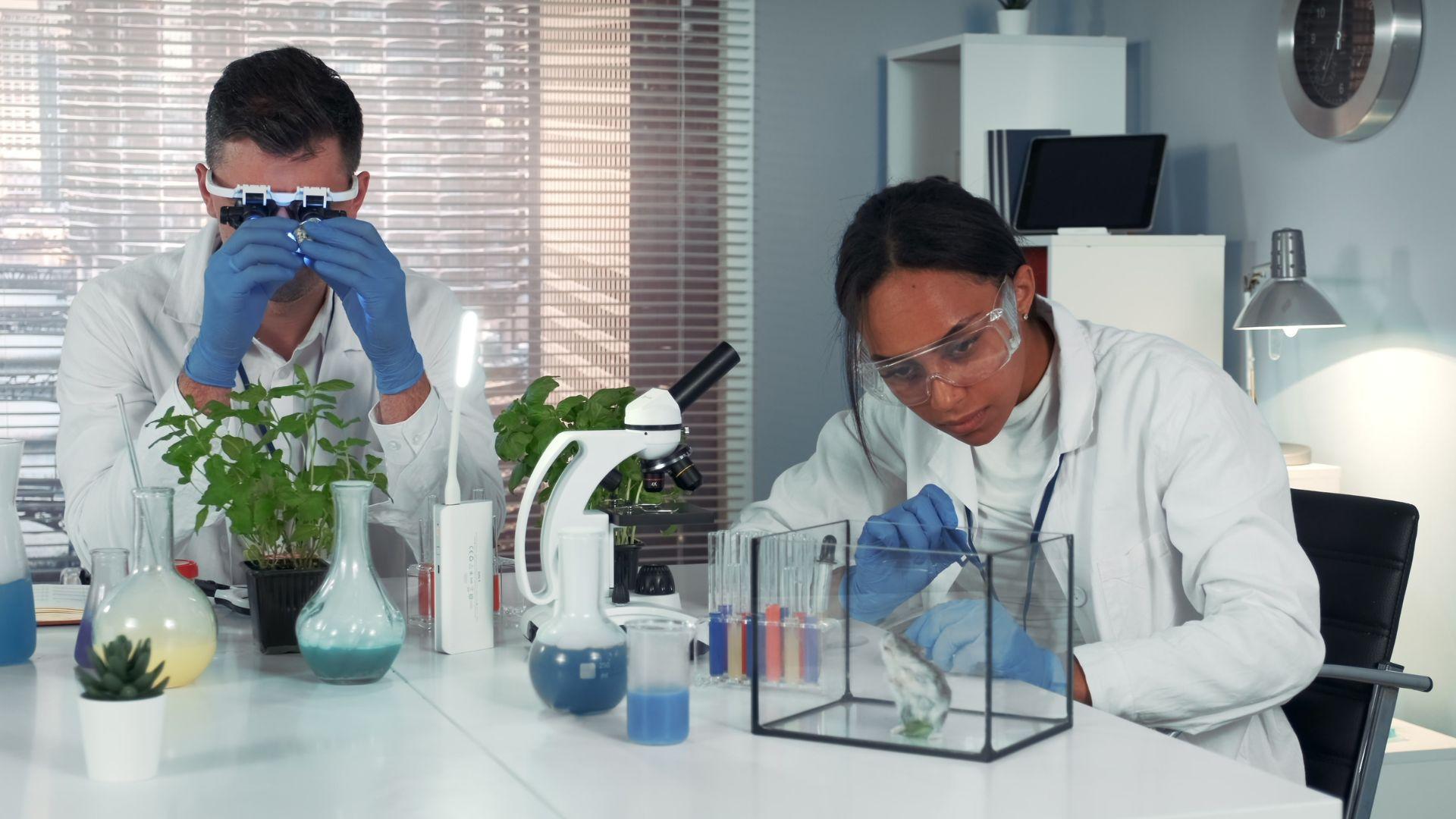
Biopreservation Market Size & Forecast 2026–2034
The global biopreservation market is poised for strong double-digit growth over the next decade. According to Renub Research, the market is projected to expand from US$ 9.62 billion in 2025 to US$ 22.76 billion by 2034, registering a CAGR of 10.04% between 2026 and 2034.
Rising demand for regenerative medicine, stem cell therapies, and personalized healthcare solutions is significantly accelerating adoption of advanced preservation technologies. The rapid expansion of biobanking, growing R&D investments in cell-based research, and increasing commercialization of gene and immunotherapies are further strengthening market momentum across healthcare, biotechnology, and pharmaceutical sectors.
Download Free Sample Report:https://www.renub.com/request-sample-page.php?gturl=biopreservation-market-p.php
Biopreservation Industry Overview
Biopreservation refers to the process of maintaining the integrity, viability, and functionality of biological samples over extended periods using controlled storage methods.
Preserved materials include:
-
Cells and stem cells
-
Tissues and organs
-
DNA and RNA samples
-
Vaccines and biologics
-
Blood components
Key preservation techniques include:
-
Cryopreservation
-
Vitrification
-
Hypothermic storage
-
Freeze-drying
These technologies enable long-term storage without compromising biological structure or function. Biopreservation plays a foundational role in:
-
Regenerative medicine
-
Biobanking
-
Cell and gene therapy manufacturing
-
Drug discovery and clinical research
By ensuring sample quality and stability, biopreservation supports diagnostics, therapeutic innovation, and biomedical breakthroughs worldwide.
Key Growth Drivers in the Biopreservation Market
1. Expansion of Regenerative Medicine and Cell Therapy
The rapid growth of regenerative medicine is a primary catalyst for market expansion.
Stem cell therapies, gene editing technologies, tissue engineering, and CAR-T cell therapies rely heavily on high-quality preserved biological materials. As clinical trials and regulatory approvals increase globally, demand for advanced cryogenic storage and preservation systems continues to rise.
Chronic diseases such as:
-
Cancer
-
Diabetes
-
Cardiovascular disorders
-
Neurodegenerative diseases
are increasing worldwide, fueling the need for regenerative treatment approaches.
Governments and biotechnology firms are heavily investing in cell-based research infrastructure, driving procurement of cryopreservation equipment and storage solutions.
2. Growth of Biobanking and Precision Medicine
Biobanks are central to modern biomedical research. They store large volumes of biological samples used for disease studies, genomic analysis, and therapeutic development.
The global shift toward precision medicine—tailoring treatments based on genetic and molecular profiles—requires reliable long-term sample preservation.
Biopreservation systems ensure:
-
Sample consistency
-
Data accuracy
-
Reproducibility of research results
Automation, digital integration, and AI-driven inventory systems are transforming biobank operations. Public–private partnerships and pharmaceutical collaborations are expanding population-based biobanking initiatives across multiple regions.
3. Technological Advancements in Preservation Solutions
Continuous innovation is strengthening the reliability and efficiency of preservation technologies.
Advancements include:
-
Non-toxic cryoprotectants
-
Controlled-rate freezing systems
-
Vitrification techniques
-
Automated ultra-low temperature freezers
-
Smart monitoring sensors
In March 2025, Azenta Inc. introduced BioArc Ultra high-density automated storage solutions, expanding sample capacity significantly in major biobanking facilities.
Similarly, Thermo Fisher Scientific Inc. launched advanced cryo-electron microscopy platforms with AI-driven automation, enhancing structural biology research and preservation workflows.
These innovations improve post-thaw viability, regulatory compliance, and scalability for clinical-grade manufacturing.
Market Challenges
High Equipment and Infrastructure Costs
Advanced cryogenic systems, liquid nitrogen storage tanks, controlled-rate freezers, and automated storage platforms require substantial capital investment.
Operational expenses include:
-
Energy-intensive cooling systems
-
Continuous liquid nitrogen supply
-
Maintenance and calibration
-
Regulatory validation
For smaller laboratories and developing markets, these costs pose adoption barriers. Scalability remains a challenge as sample volumes grow.
Stringent Regulatory Requirements
Biopreservation involves biological materials intended for clinical and research applications, requiring strict compliance with global quality standards.
Challenges include:
-
Validation and documentation requirements
-
International regulatory differences
-
Storage condition monitoring
-
Risk of sample degradation
As biobanking networks expand globally, maintaining standardized quality control across facilities becomes increasingly complex.
Regional Market Insights
United States Biopreservation Market
The United States remains one of the most advanced biopreservation markets globally.
Strong biotechnology and pharmaceutical sectors, extensive clinical trial activity, and substantial government funding drive demand for preservation technologies.
The presence of major industry players such as Cryport, Inc. and BioLife Solutions Inc supports innovation and cold-chain logistics development.
High chronic disease prevalence further reinforces long-term market growth.
Germany Biopreservation Market
Germany leads Europe in biomedical research and engineering excellence.
The country invests heavily in:
-
Stem cell research
-
Biopharmaceutical manufacturing
-
Precision diagnostics
German institutions adopt advanced cryogenic systems to meet strict EU regulatory standards. Engineering expertise also supports development of ultra-low-temperature freezers and automated storage systems.
China Biopreservation Market
China’s market is expanding rapidly due to strong government investment in biotechnology and precision medicine initiatives.
Large-scale biobanking projects, increasing clinical trials, and rising healthcare expenditure are major contributors.
While regulatory frameworks are still evolving, technological capabilities and research infrastructure continue to improve steadily.
Saudi Arabia Biopreservation Market
Under Vision 2030, Saudi Arabia is investing heavily in healthcare modernization and biotechnology research.
New research centers and genomic programs are driving demand for preservation technologies.
Although the market remains smaller compared to Western economies, long-term infrastructure development supports steady expansion.
Recent Industry Developments
The biopreservation sector has witnessed several strategic advancements:
-
May 2025: Azenta Inc. partnered with Form Bio to develop integrated sequencing and AI-powered platforms supporting gene therapy research.
-
March 2025: Johnson & Johnson announced a USD 55 billion investment plan in U.S. operations, indirectly increasing demand for advanced preservation technologies.
-
February 2025: Thermo Fisher Scientific Inc. introduced the Krios 5 Cryo-TEM platform for atomic-resolution imaging.
-
June 2023: BioLife Solutions Inc launched a high-capacity controlled-rate freezer supporting large-scale cell therapy manufacturing.
These developments highlight strong investment in infrastructure, automation, and AI integration.
Market Segmentation
By Product
-
Equipment
-
Media
-
Laboratory Information Management Systems (LIMS)
By Application
-
Regenerative Medicine
-
Biobanking
-
Drug Discovery
By Region
North America
-
United States
-
Canada
Europe
-
Germany
-
France
-
Italy
-
Spain
-
United Kingdom
-
Belgium
-
Netherlands
-
Turkey
Asia Pacific
-
China
-
Japan
-
India
-
South Korea
-
Thailand
-
Malaysia
-
Indonesia
-
Australia
-
New Zealand
Latin America
-
Brazil
-
Mexico
-
Argentina
Middle East & Africa
-
Saudi Arabia
-
UAE
-
South Africa
Competitive Landscape
The biopreservation market features global life sciences leaders focusing on innovation, cold-chain logistics, and integrated storage platforms.
Key players include:
-
Thermo Fisher Scientific Inc.
-
Cryport, Inc.
-
Eppendorf AG
-
BioLife Solutions Inc
-
Azenta Inc.
-
Merck KGaA
-
Qiagen NV
-
Chart Industries, Inc.
Each company is analyzed across:
-
Business Overview
-
Key Persons
-
Recent Developments & Strategies
-
SWOT Analysis
-
Financial Insights
Strategic focus areas include automated storage, AI-driven monitoring, integrated cold-chain logistics, and scalable manufacturing support for cell therapies.
Future Outlook: A Decade of Biomedical Expansion
Between 2026 and 2034, the biopreservation market is expected to more than double in value.
Emerging trends include:
-
Expansion of gene-editing therapies
-
Growth in CAR-T and mRNA platforms
-
AI-powered biobank management
-
Advanced cryoprotectant development
-
Integration of automation and robotics
As precision medicine and regenerative therapies move into mainstream healthcare, reliable preservation systems will become even more critical.
Final Thoughts
With Renub Research forecasting growth from US$ 9.62 billion in 2025 to US$ 22.76 billion by 2034 at a CAGR of 10.04%, the biopreservation market stands at the center of biomedical innovation.
Driven by regenerative medicine, biobanking expansion, and technological breakthroughs, the industry is entering a transformative era. While infrastructure costs and regulatory demands pose challenges, continued investment and innovation are positioning biopreservation as a cornerstone of future healthcare advancements worldwide.
 English
Join our community to interact with posts!