
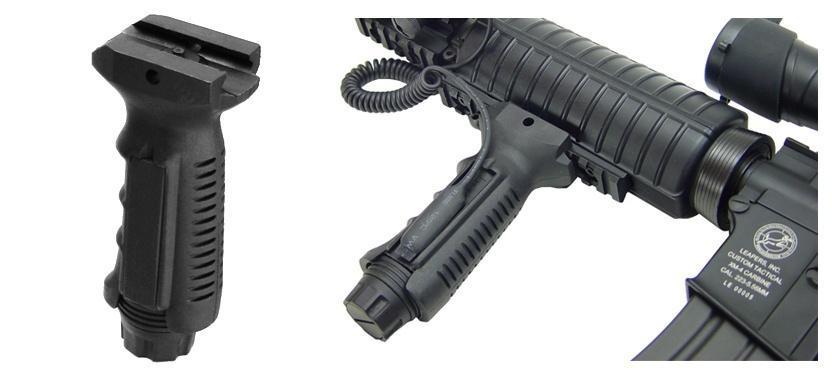
Walk into any range on a Saturday morning and the contrast is obvious. One shooter holds a factory-stock pistol, still getting used to grip and trigger control. A few lanes down, another has a finely tuned setup—optic mounted cleanly, upgraded trigger, weapon light aligned with intent. Same sport. Different stages.
Choosing the best gun accessories depends almost entirely on experience level, purpose, and discipline. What helps a beginner build safe fundamentals may slow down a professional. What feels essential to an advanced shooter could overwhelm someone still learning sight alignment. Gear matters—but context matters more.
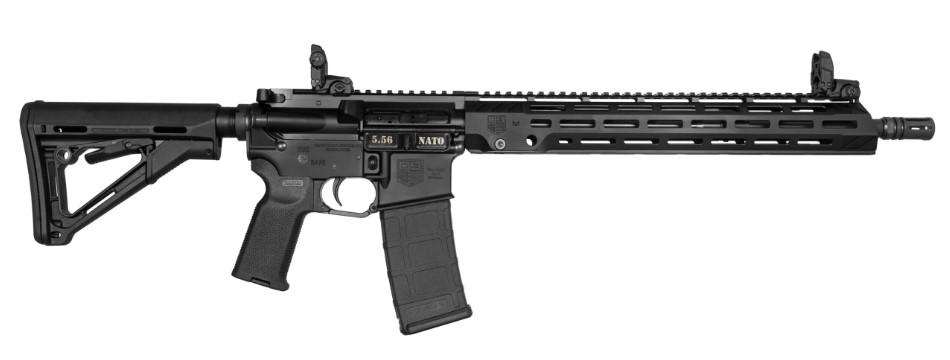
Starting Simple: What Beginners Actually Need
New shooters often assume that more equipment equals better performance. It doesn’t. In fact, too many upgrades early on can mask foundational issues.
For beginners, the priority should be:
-
Quality eye and ear protection
-
A reliable range bag
-
A sturdy belt and holster (for pistol shooters)
-
Basic cleaning kit
-
Ammunition suited to training
Notice what’s missing? No complex optics. No aggressive trigger modifications. No competition mag wells. At this stage, the focus is muscle memory and safety habits. A stock firearm teaches trigger discipline and recoil management in a way that heavily modified setups sometimes don’t.
Ever noticed how shooters who skip fundamentals tend to chase gear to fix technique? Strange, but common.
A simple weapon-mounted light for home defense might make sense. Beyond that, restraint is powerful. Mastery begins with repetition, not customization.
Intermediate Upgrades: Building Control and Confidence
After consistent range time—thousands of rounds, not dozens—patterns emerge. Maybe follow-up shots lag. Maybe target acquisition feels slow. Now equipment choices can become strategic rather than impulsive.
For this stage, practical upgrades may include:
-
Red dot optics for faster sight acquisition
-
Improved iron sights with high visibility
-
Enhanced grip modules or stippling
-
Slightly upgraded triggers (not overly light)
-
Quality weapon lights for defensive roles
The key word is intentional. Each addition should solve a specific performance issue. If recoil management is already strong, adding a compensator might complicate reliability without meaningful benefit.
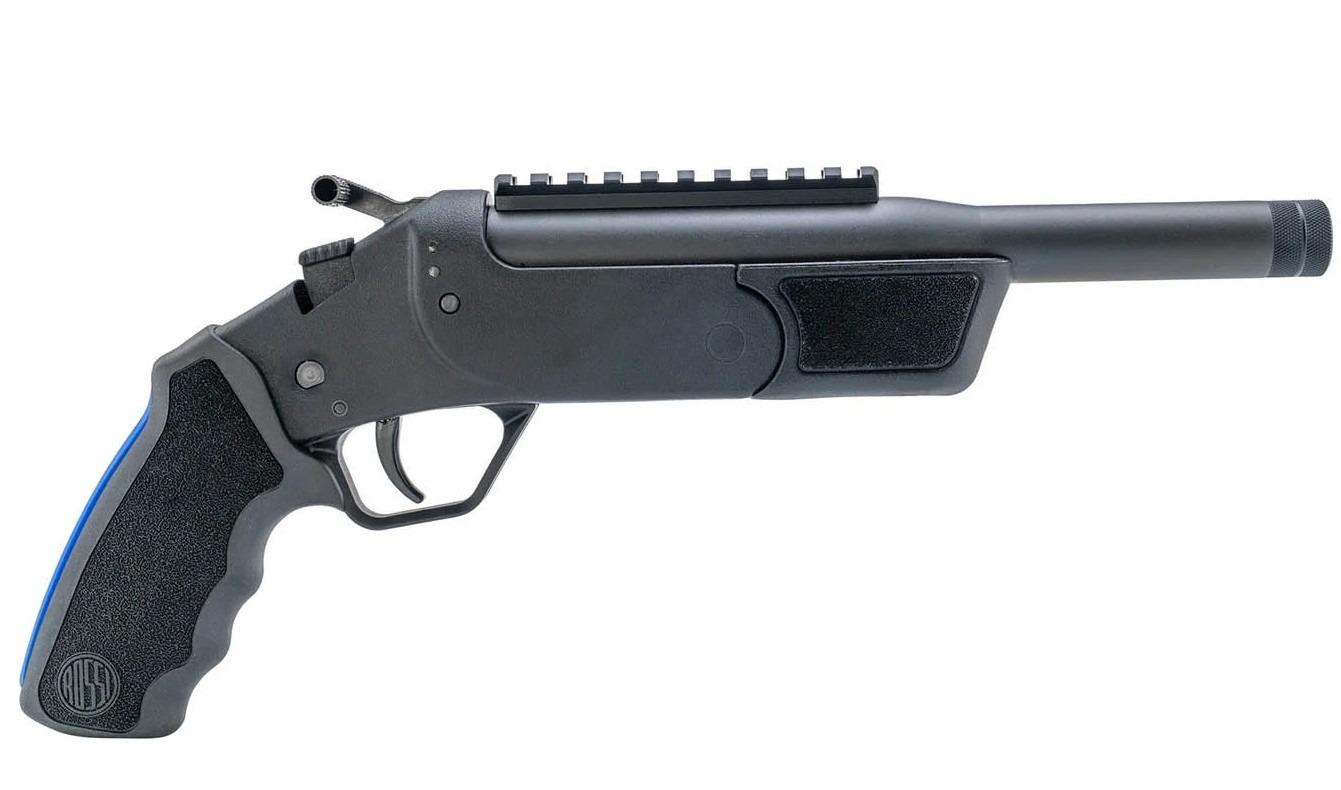
Beginners experiment. Intermediate shooters analyze.
Professional Setups: Precision, Speed, and Specialization
Professional shooters—whether competitive, tactical, or duty-focused—approach gear differently. Equipment is no longer about learning basics; it’s about shaving milliseconds and improving consistency under stress.
Their setups often include:
-
High-end reflex optics with proven durability
-
Tuned triggers for predictable break and reset
-
Competition mag wells
-
Extended controls
-
Advanced sling systems (for rifle platforms)
-
Calibrated recoil systems
At this level, the smallest variables matter. Trigger reset distance. Optic window size. Grip angle alignment. Professionals don’t just buy upgrades—they test them under pressure.
Still, even advanced shooters avoid unnecessary clutter. Excessive modifications can introduce failure points. Reliability always outranks aesthetics.
There’s a quiet discipline in experienced setups. Everything serves a purpose. Nothing decorative.
The Psychology Behind Gear Choices
Here’s where it gets interesting. Gear decisions are rarely just technical. They’re psychological.
Beginners often look for confidence through equipment. Professionals look for efficiency. The shift happens gradually.
A red dot might boost confidence for someone new, but without consistent presentation technique, it becomes a crutch. Meanwhile, a professional chooses optics because it objectively improves split times.
Intent separates impulse from expertise.
Budget vs Investment: A Reality Check
High price does not automatically equal performance. That said, extremely cheap components can compromise safety and durability.
Beginners should prioritize reliability over customization. A dependable factory firearm and training ammunition deliver more long-term value than flashy upgrades.
Professionals tend to invest in premium gear because consistency matters under stress. In duty or competitive settings, equipment failure isn’t just inconvenient—it’s consequential.
A balanced path? Invest gradually. Upgrade only after identifying a genuine performance gap.
Where Quality Matters Most
Certain categories demand quality regardless of experience level:
-
Optics (if used) should hold zero
-
Weapon lights must withstand recoil
-
Holsters should provide secure retention
-
Magazines must feed reliably
Compromising here creates frustration at best and danger at worst.
Brands that understand this balance—offering practical, tested gear rather than trend-driven accessories—tend to stand out. For shooters seeking curated, performance-focused equipment, third-party retailers like Red Cliffs Tactical often emphasize reliability over gimmicks, which aligns well with both beginners learning fundamentals and professionals refining systems.
Don’t Overlook the Foundations
Amid discussions about optics and recoil systems, one truth remains: skill outweighs equipment. Training time, structured drills, and safety discipline create real progress.
Even seasoned shooters regularly revisit basics. Dry fire practice. Grip consistency. Draw mechanics. The fundamentals never disappear.
The market is flooded with attractive firearm parts and accessories, but the smartest shooters evaluate whether each addition supports a measurable goal. If not, it’s just weight on the rail.
Final Thoughts: Different Stages, Different Tools
The difference between beginners and professionals isn’t just experience—it’s intention. New shooters need stability and repetition. Professionals demand precision and optimization.
Gear evolves as skill evolves. That’s the natural progression.
Instead of chasing every trend labeled as the latest upgrade, thoughtful shooters ask a better question: Does this improve performance, safety, or reliability? If the answer isn’t clear, patience wins.
Because in the end, the best setups aren’t the loudest or the most expensive. They’re the most deliberate.
 English
Join our community to interact with posts!