
In today’s digital world, businesses rely heavily on technology, data, and online systems to operate efficiently. From customer databases and financial records to critical applications, nearly every business process depends on IT infrastructure. However, unexpected events such as cyberattacks, hardware failures, power outages, or natural disasters can disrupt operations and cause costly downtime.
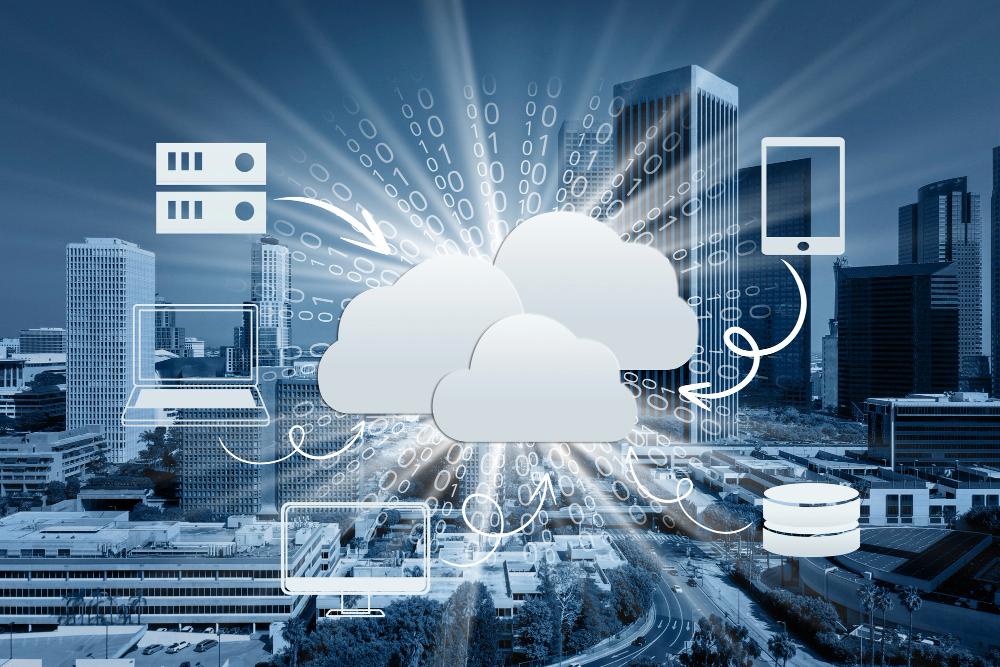
This is where cloud disaster recovery (Cloud DR) becomes essential. By storing and replicating critical data in secure cloud environments, businesses can recover quickly from disruptions and keep operations running smoothly. Cloud disaster recovery is a modern approach that helps organizations minimize downtime, protect valuable data, and maintain business continuity.
What is Cloud Disaster Recovery?
Cloud disaster recovery is a strategy that involves backing up and replicating important data, systems, and applications in a cloud-based environment. If a disaster occurs and the primary IT infrastructure fails, businesses can restore their systems from cloud backups and resume operations quickly.
Unlike traditional disaster recovery methods that rely on physical backup infrastructure, cloud DR uses remote cloud servers to store copies of critical data and applications. This approach allows businesses to recover systems from anywhere with internet access and restore operations faster during emergencies.
The main goal of cloud disaster recovery is simple: reduce downtime and ensure that essential business services remain available even during unexpected disruptions.
Why Downtime is a Major Risk for Businesses
Downtime can be extremely costly for organizations of any size. When systems are unavailable, businesses may experience:
· Loss of revenue due to halted operations
· Reduced employee productivity
· Damaged customer trust and brand reputation
· Potential data loss or corruption
Even a short outage can have serious consequences. Disaster recovery strategies help ensure that business operations can resume quickly and minimize these risks.
For small and medium-sized businesses (SMBs), downtime can be especially damaging because they often lack the resources to recover quickly from IT failures.
Key Ways Cloud Disaster Recovery Prevents Downtime
1. Continuous Data Backup and Replication
Cloud disaster recovery works by continuously backing up critical business data and replicating it to remote cloud servers. If the primary system fails, the backup copies are readily available for restoration.
This ensures that businesses always have a recent version of their data and can recover systems quickly without significant data loss.
2. Faster System Recovery
Traditional recovery solutions often require manual intervention and hardware replacement, which can take hours or even days. Cloud DR solutions automate many recovery processes.
Automated failover systems can switch workloads from the affected infrastructure to backup environments within minutes. This significantly reduces downtime and helps businesses resume operations quickly.
3. Improved Business Continuity
A well-designed disaster recovery plan ensures that essential applications and services remain available even during disruptions. By maintaining replicated systems in the cloud, businesses can continue operating without major interruptions.
Cloud disaster recovery strengthens overall business continuity by ensuring critical operations remain accessible during emergencies.
4. Protection Against Cyberattacks and Data Loss
Cyber threats such as ransomware and data breaches are among the leading causes of business downtime. Cloud-based backup solutions help organizations recover data quickly after cyber incidents.
Many cloud disaster recovery platforms include advanced security features such as encryption, identity access controls, and immutable backups to protect sensitive information.
5. Scalability and Flexibility
Cloud disaster recovery solutions are highly scalable. Businesses can easily adjust storage capacity and recovery resources based on their needs.
This flexibility makes cloud DR especially beneficial for growing organizations that need reliable protection without investing in expensive infrastructure.
Cost Benefits of Cloud Disaster Recovery
Traditional disaster recovery solutions often require expensive hardware, dedicated data centers, and specialized IT staff. Cloud disaster recovery eliminates many of these costs by providing a pay-as-you-go model.
Businesses only pay for the cloud resources they use, making disaster recovery more accessible and affordable for small and medium-sized companies.
Additionally, the cost of implementing cloud DR is far lower than the potential financial losses caused by prolonged downtime.
Best Practices for Implementing Cloud Disaster Recovery
To fully benefit from cloud disaster recovery, businesses should follow several best practices:
1. Identify critical systems and data that must be protected.
2. Automate backup processes to ensure consistent data protection.
3. Test disaster recovery plans regularly to ensure they work effectively.
4. Define recovery objectives such as Recovery Time Objective (RTO) and Recovery Point Objective (RPO).
5. Partner with reliable service providers for expert support and management.
A proactive disaster recovery strategy ensures that businesses are prepared to handle unexpected disruptions without major operational losses.
Why SMBs Should Invest in Disaster Recovery Solutions
Small and medium-sized businesses often assume that disasters only affect large organizations. However, SMBs are frequently targeted by cyberattacks and are more vulnerable to system failures due to limited IT resources.
Cloud disaster recovery allows SMBs to implement enterprise-level protection without the complexity and cost of traditional infrastructure. With automated backups, rapid recovery capabilities, and scalable cloud resources, businesses can maintain operational resilience and protect their valuable data.
Protect Your Business with Reliable Backup Solutions
Implementing a strong disaster recovery strategy is one of the most effective ways to protect your business from unexpected downtime and data loss. Companies looking for reliable protection should consider Professional backup and disaster recovery services for small businesses to ensure their systems remain secure and recoverable in any situation.
With expert-managed backup systems, continuous monitoring, and rapid recovery capabilities, businesses can safeguard their data, maintain productivity, and keep operations running smoothly—even during unexpected disruptions.
Conclusion
Downtime can cause significant financial and operational damage to businesses. Cloud disaster recovery provides a powerful solution by ensuring that critical data, applications, and systems are securely backed up and quickly recoverable.
By leveraging cloud technology, organizations can minimize downtime, improve resilience, and maintain business continuity during unexpected events. Whether facing cyber threats, hardware failures, or natural disasters, cloud disaster recovery ensures that businesses remain prepared and protected in an increasingly digital world.
 English
Join our community to interact with posts!