
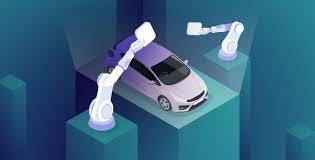
In the modern automotive landscape, vehicle performance is no longer dictated solely by hardware. The ability to maintain uptime, minimize breakdowns, and ensure smooth operation is critical for both individual drivers and fleet operators. Software development for automotive has emerged as a pivotal force in enhancing vehicle performance, enabling real-time monitoring, predictive maintenance, and intelligent optimization.
The Evolution of Vehicle Performance Management
Historically, vehicle performance was managed mechanically—through tuning engines, replacing worn parts, and reactive maintenance. With the advent of digital systems, software integration has redefined performance management. Modern vehicles rely on embedded software to monitor, control, and optimize every subsystem, from engines to braking systems, dramatically improving reliability and responsiveness.
Predictive Maintenance Through Software
Sensor-driven diagnostics and real-time monitoring have transformed maintenance from reactive to proactive. Software development for automotive enables vehicles to continuously analyze operational data, detecting anomalies in engine temperature, battery voltage, or brake performance before they escalate into major issues. Predictive maintenance reduces costly repairs and prevents unscheduled downtime, ensuring vehicles remain operational and efficient.
Optimizing Engine and System Efficiency
Embedded software controls critical systems such as fuel injection, transmission, and braking. By dynamically adjusting parameters in real time, vehicles achieve optimal performance while reducing mechanical wear. Software algorithms balance efficiency and power, ensuring smoother rides, improved fuel economy, and prolonged component lifespan.
Connected Vehicles and Data-Driven Insights
Connected vehicles leverage telemetry and cloud-based analytics to enhance operational efficiency. Real-time data from multiple vehicles can identify patterns, predict failures, and suggest optimized maintenance schedules. Fleet operators particularly benefit from these insights, reducing downtime and operational costs while maximizing vehicle availability.
Reducing Operational Downtime with OTA Updates
Over-the-air (OTA) updates allow manufacturers to deploy software patches, system optimizations, and new features without requiring a service visit. This capability ensures that vehicles remain up-to-date, secure, and efficient. OTA updates minimize disruption, keeping vehicles on the road longer and reducing unnecessary downtime.
Artificial Intelligence and Machine Learning in Performance Enhancement
AI and machine learning algorithms enhance predictive capabilities by analyzing historical and real-time data. Vehicles learn from driver behavior, environmental conditions, and road patterns to make adaptive adjustments that optimize performance. These intelligent systems anticipate issues and fine-tune vehicle operations, ensuring a smoother and more reliable driving experience.
Case Studies: Real-World Impact of Automotive Software
In fleet management, software-driven monitoring has reduced vehicle downtime by identifying maintenance needs before failures occur. High-performance vehicles also benefit from adaptive software systems that monitor engine and transmission health, ensuring maximum efficiency and longevity. These examples demonstrate how software development for automotive directly contributes to improved reliability and reduced operational interruptions.
Conclusion
Reducing downtime is no longer a matter of reactive repairs—it is an intelligent process powered by software. Software development for automotive plays a critical role in predictive maintenance, performance optimization, and continuous improvement. By integrating sophisticated algorithms, connected systems, and real-time analytics, vehicles become smarter, more efficient, and significantly more reliable, driving the future of automotive performance.
 English
Join our community to interact with posts!