

Somewhere between the security line and the boarding gate, a familiar scene appears. A traveler kneels beside an overstuffed suitcase, wrestling with a zipper that refuses to close. Papers slide out. A laptop nearly hits the floor. People in line pretend not to watch.
Moments like that explain why seasoned professionals become strangely particular about their luggage. The best carry on luggage for business travel isn’t chosen for looks alone. It’s chosen because travel, especially frequent work travel, rewards practicality and punishes poor design.
A reliable carry-on quietly removes friction from the journey. No drama at the gate. No struggling with compartments. Just a bag that does its job.
Durability: The First Real Test
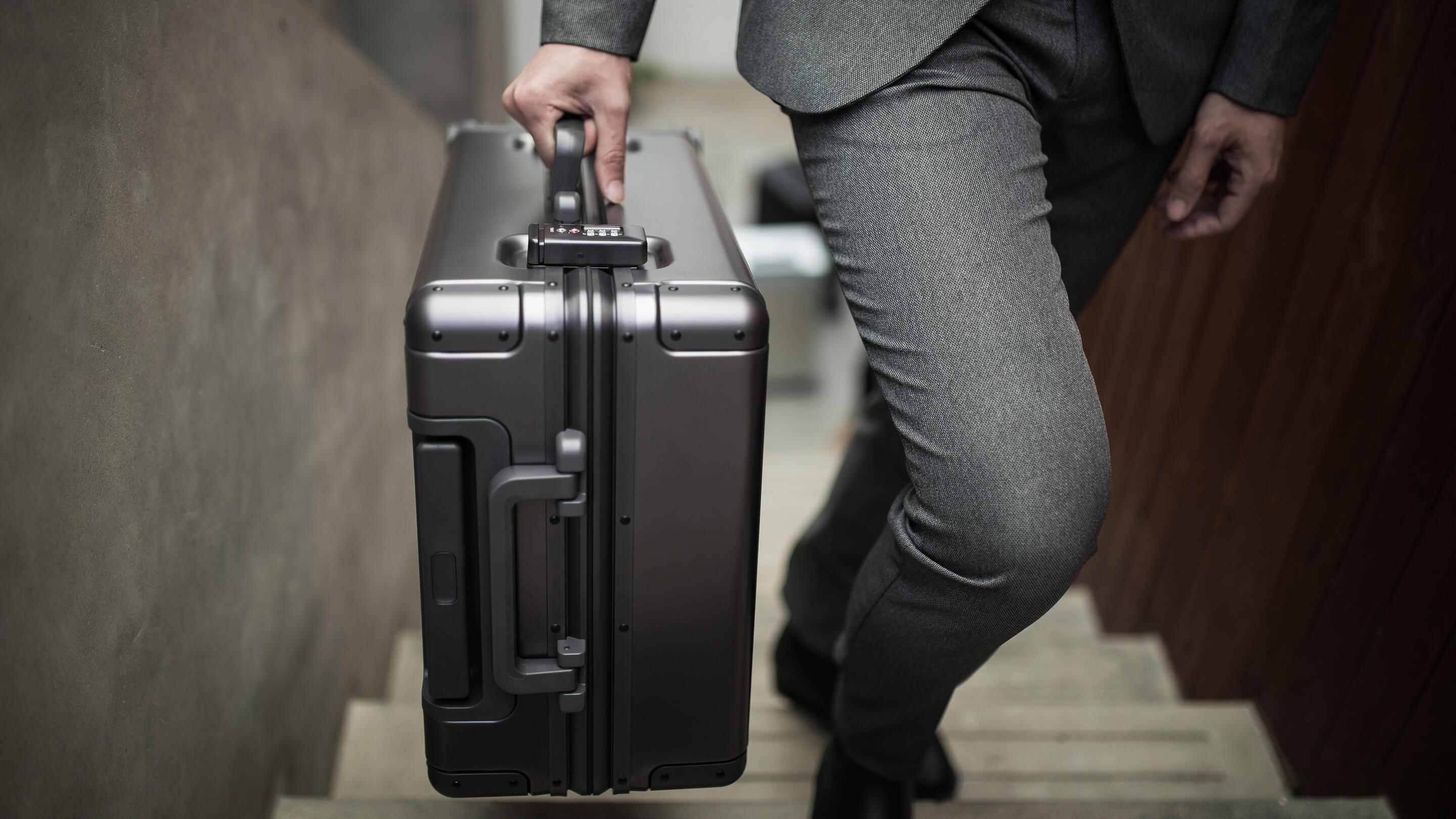
Airports are rough on luggage. Your suitcase gets dragged across tiles, shoved onto concrete, and bumped along uneven sidewalks before you even reach the check-in desk. Then it gets thrown into overhead bins — over and over, trip after trip.
That kind of beating shows up fast on a cheap bag.
Hard-shell suitcases, especially polycarbonate ones, hold up better. The shell takes the hit so your stuff inside doesn't. Your laptop, your clothes, your chargers — they stay protected even when baggage handlers aren't being careful.
Soft bags still have their place. They give a little, which helps when you're forcing that last item in and praying the zip holds. But most people who travel a lot eventually switch to hard cases. They last longer. The corners don't collapse. And there's just something solid about them — like they mean business.
Wheels: A Small Feature That Changes Everything
Nobody talks about wheels — but they might be the most important part of any suitcase.
Cheap wheels wobble. They get stuck on every crack in the floor. They squeak after a few months like they're begging to retire. That sounds like a small thing — until you're sprinting through a packed terminal trying to catch a flight.
That's when good wheels change everything.
A four-wheel spinner doesn't drag behind you. It glides right beside you. One light push and it moves on its own, almost like it's floating. Corners? Easy. Crowded aisles? No problem.
It feels like an unnecessary upgrade — until you try it once.
After that, you'll never go back to anything less.
Smart Compartments Reduce Packing Stress
Business trips come with a lot more than just clothes. There are chargers, laptops, documents, and those small things you swear you packed neatly — until you open the bag.
Without proper compartments, a suitcase turns into a mess before you even land.
The good ones have compression panels to keep clothes flat, zippered pockets for the small stuff, and separate sections so your laptop isn't sitting on top of your dress shirt. Simple ideas, but they make a real difference.
You know that feeling when you unpack and have no idea how everything got so tangled? Cables wrapped around socks. Shirts somehow wrinkled despite careful folding.
A well-built carry-on stops all of that — without you having to think about it.
Size That Works With Airline Rules
Carry-on size seems simple — until you actually start reading airline policies. Every carrier has different rules. Some are generous. Others will stop you right at the gate.
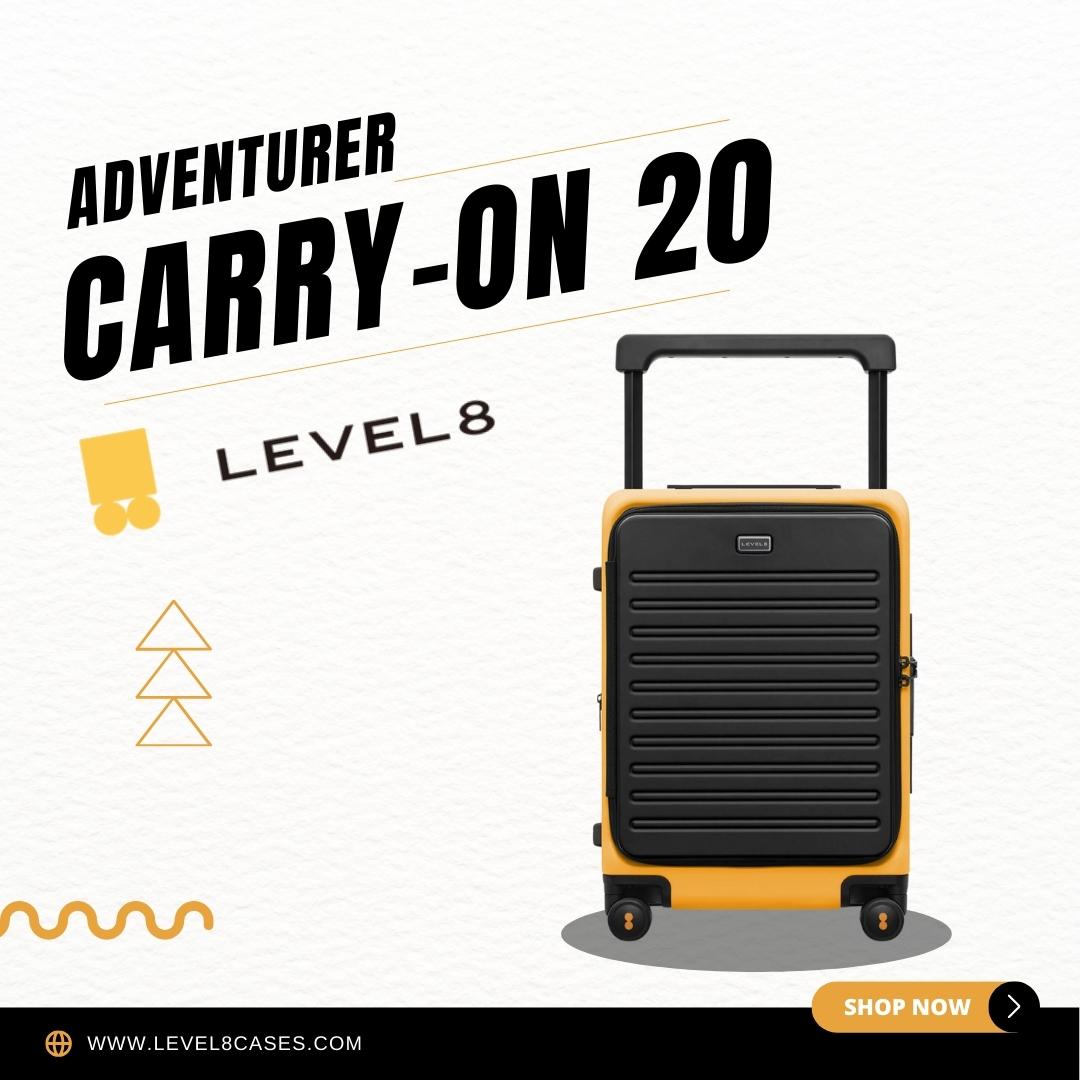
That's why most seasoned travelers stick to bags around 21 inches. Big enough to pack for a few days. Small enough to slide into any overhead bin without a second glance.
Go bigger and you're gambling. On a packed flight, gate agents start eyeing bags that look even slightly oversized. One bad call and your bag gets checked.
Then it disappears below the plane.
And suddenly you're landing in a new city, waiting at baggage claim, while a meeting is already starting without you.
Security Features Matter for Work Travel
Leisure travelers usually pack clothes and personal items. Business travelers carry something else entirely—valuable electronics and sometimes sensitive documents.
This makes built-in security features surprisingly useful.
Most quality carry-ons now include TSA-approved locks. These locks allow airport security officers to inspect luggage without damaging the mechanism. It’s a small detail, but it prevents broken zippers or forced openings.
Some luggage designs also use reinforced materials or anti-puncture zippers. Overkill? Maybe.
Still, peace of mind tends to travel well.
Professional Design Without Excess
A suitcase doesn’t need to be flashy to look professional. In fact, many business travelers prefer understated designs.
Matte black. Graphite gray. Occasionally navy.
These colors hide scuffs and blend naturally into professional environments—airport lounges, hotel lobbies, conference centers.
Among frequent travelers, brands like Level8 Cases are sometimes mentioned for their balanced design. The luggage tends to focus on functionality: smooth wheels, strong shells, and minimal styling. Nothing exaggerated. Just equipment built to travel repeatedly without complaining.
Which, honestly, is exactly what business luggage should do.
Weight: The Detail People Notice Too Late
Airlines are getting stricter about carry-on weight limits, especially on longer international flights. If your suitcase is already heavy before you pack a single thing, you're already losing space.
That's exactly where a lightweight bag changes everything.
Today's polycarbonate suitcases are tough — but they don't add unnecessary weight. That means more room for your clothes, shoes, and work essentials without stressing over the scale at the airport.
There's another small win too. Lifting your bag into the overhead bin doesn't feel like a workout anymore.
It's a tiny detail. But after a long travel day, you'll notice it.
Final Thoughts
Business travel is already a lot to handle. Tight schedules, back-to-back meetings, new cities, delayed flights. The last thing you need is your bag making things harder.
A good carry-on just works. It's light enough to lift without thinking, tough enough to survive a rough trip, and organized enough that you always find what you need fast.
You shouldn't have to babysit your luggage. The right bag stays out of your way — and lets you focus on everything else.
That combination is what ultimately defines the best business travel luggage—a suitcase that moves through airports quietly, handles the pressure of frequent trips, and lets the traveler concentrate on the work ahead instead of the bag in hand.
 English
Join our community to interact with posts!