
Toronto homeowners face rising energy costs every winter. Many blame old furnaces or drafty windows first. Few look upward to inspect their attic insulation levels. That is where blown-in insulation in Toronto often changes everything.
Older homes across the city still lack proper attic coverage. Heat escapes through small gaps and thin insulation layers. This steady loss increases monthly heating bills quickly. Smart upgrades like blown-in insulation in Toronto address this issue directly. They improve comfort without major structural renovation.
Why Does Heat Escape So Easily Through the Attic?
Warm air naturally rises inside your home. It collects near the ceiling during colder months. If insulation is weak, heat passes into the attic. From there, it escapes through the roof structure.
Small cracks around fixtures worsen the problem. Air leaks allow conditioned air to flow out freely. This constant movement forces heating systems to work harder. Energy waste becomes a daily pattern.
Attic insulation acts as a thermal barrier. When installed correctly, it slows heat transfer. It also reduces temperature differences across surfaces. This balance improves overall indoor comfort.
What Makes Blown-In Insulation Different From Traditional Batts?
Traditional fiberglass batts come in fixed sizes. They leave gaps around wiring and framing. Even small openings reduce performance over time.
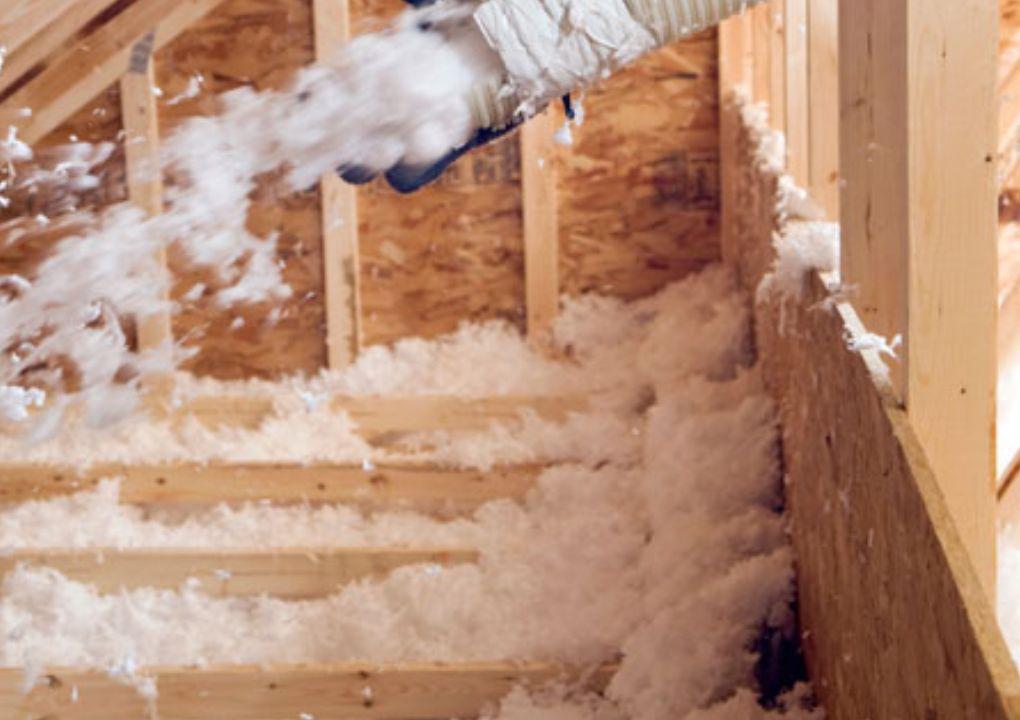
Blown-in insulation uses loose fill material. Technicians distribute it evenly across attic spaces. The material fills tight corners and irregular cavities. Coverage becomes more complete and consistent.
This method reduces air pockets within the insulation layer. It creates a dense blanket over the ceiling plane. As a result, heat loss drops significantly.
Homeowners often notice more stable indoor temperatures. Cold spots near ceilings become less common. The heating system cycles less frequently.
How Does Toronto’s Climate Shape Insulation Needs?
Toronto experiences long, cold winters each year. Snow accumulation and freezing temperatures increase roof stress. Poor insulation allows ice dams to form along eaves.
Ice dams develop when attic heat melts the roof snow unevenly. Melted water refreezes at colder roof edges. This buildup damages shingles and gutters.
Effective attic insulation reduces heat leakage upward. It keeps roof surfaces colder and more consistent. That lowers the risk of ice dam formation.
Summer conditions also matter. Hot attic air radiates downward into living spaces. Adequate insulation slows this heat transfer. Air conditioning systems operate more efficiently.
Is Blown-In Insulation a Cost-Effective Upgrade?
Many homeowners worry about upfront installation costs. However, energy savings often offset the investment quickly. Lower utility bills accumulate month after month.
Blown-in insulation installation requires minimal structural disruption. Technicians access the attic and apply material efficiently. Most projects finish within a single day.
There is no need to remove drywall or major finishes. This makes the upgrade practical for occupied homes. The process remains clean and controlled.
When viewed long term, insulation performs as infrastructure. It protects against seasonal stress and energy waste. That reliability adds measurable home value.
What Should Homeowners Look for Before Installation?
An insulation assessment should come first. Professionals measure existing R values carefully. They identify gaps, compression, or moisture concerns.
Ventilation also requires evaluation. Proper airflow supports insulation performance and roof health. Balanced attic systems prevent trapped moisture buildup.
Experienced installers follow building code requirements closely. They apply the correct depth and density. This ensures consistent thermal resistance across the attic.
Quality control during installation matters greatly. Even distribution prevents weak spots in coverage. Skilled teams monitor thickness and airflow carefully.
How Does Insulation Affect Indoor Air Quality?
Air sealing plays a major role in insulation projects. Sealing gaps reduces uncontrolled airflow between the attic and living spaces. This limits dust and pollutant movement.
A stable attic temperature reduces condensation risks. Less moisture means lower mold potential. Dry environments support healthier indoor air.
Families often report fewer drafts after upgrades. Bedrooms feel warmer without raising thermostat settings. Comfort improves without added energy use.
Why Is Professional Expertise Important?
Blown-in insulation equipment requires training and precision. Incorrect density reduces performance and durability. Over-application may block ventilation pathways.
Certified installers understand local climate demands. They tailor solutions based on attic design and insulation goals. This approach protects long term performance.
Homeowners benefit from warranties and proper documentation. Professional service reduces the risk of future correction costs. Peace of mind becomes part of the upgrade.
Conclusion: Invest Above the Ceiling for Lasting Results
Energy efficiency starts where heat escapes most. Strategic use of blown-in insulation in Toronto strengthens attic performance year-round. It reduces bills, stabilizes temperatures, and limits moisture risks.
For homeowners seeking reliable upgrades, expert installation makes the difference. Spray Foam Insulation Kings provides attic assessments, proper R-value upgrades, and climate-focused solutions. Their approach to blown-in insulation in Toronto centers on precision installation, energy efficiency, and long-term home protection.
A well-insulated attic does more than save money. It strengthens your home from the top down.
 English
Join our community to interact with posts!