
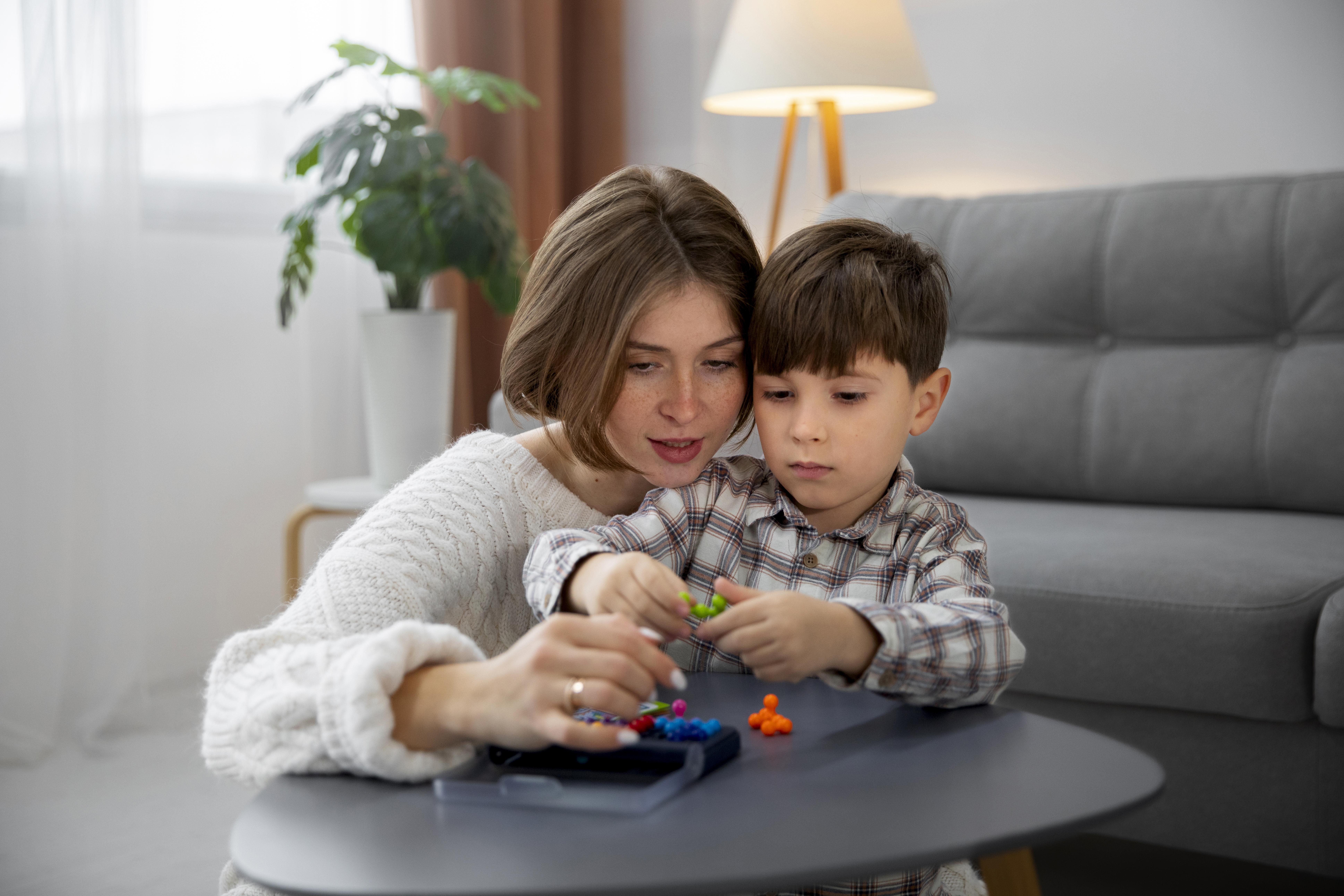
Early childhood is a crucial stage for learning, growth, and development, especially for children on the autism spectrum. During the toddler years, the brain is highly adaptable, making it an ideal time to introduce supportive therapies that encourage communication, behavior, and emotional development. Two widely recognized and effective approaches are ABA therapy for toddlers and art therapy. Together, they offer a balanced combination of structure and creativity that can help children thrive.
What Is ABA Therapy for Toddlers?
Applied Behavior Analysis, commonly known as ABA therapy, is a structured and evidence-based approach designed to improve specific behaviors. For toddlers with autism, ABA therapy focuses on building foundational skills such as communication, social interaction, and daily living tasks. Therapists break down complex behaviors into smaller, manageable steps and use positive reinforcement to encourage progress.
ABA therapy is highly individualized, meaning that each child receives a personalized plan tailored to their needs and strengths. Sessions often include play-based activities that keep toddlers engaged while teaching essential skills. Over time, children learn how to express their needs, follow instructions, and interact more comfortably with others.
Benefits of ABA Therapy in Early Childhood
Introducing ABA therapy during the toddler years can have a lasting impact. One of the most significant benefits is improved communication. Many children begin to use words, gestures, or alternative communication methods to express themselves more effectively. Social skills also develop, allowing toddlers to engage with family members and peers in meaningful ways.
Another important advantage is the development of positive behaviors. ABA therapy helps reduce challenging behaviors by identifying their causes and teaching appropriate alternatives. This not only supports the child’s growth but also creates a more harmonious environment at home and in social settings.
Exploring Art Therapy for Autism
While ABA therapy provides structure, art therapy offers a creative outlet for self-expression. Art therapy for autism focuses on using visual arts such as drawing, painting, and crafting to help children communicate emotions and ideas that may be difficult to express verbally. For toddlers, this form of therapy can be both enjoyable and therapeutic.
Art therapy encourages exploration without strict rules, allowing children to express themselves freely. It can also help improve fine motor skills, sensory processing, and emotional regulation. The calming nature of art activities often reduces anxiety and promotes a sense of accomplishment.
How Art Therapy Supports Emotional Growth
Children with autism may sometimes struggle to identify or express their feelings. Art therapy for autism provides a safe space for them to explore emotions through colors, shapes, and textures. Over time, this creative process can enhance emotional awareness and build confidence.
In addition, art therapy fosters imagination and creativity, which are important for cognitive development. It also encourages focus and patience, as children engage in activities that require attention and effort. These skills can translate into other areas of life, including school and social interactions.
Combining ABA and Art Therapy for Holistic Development
When used together, ABA therapy and art therapy create a well-rounded approach to supporting toddlers with autism. ABA provides the structure needed to build essential life skills, while art therapy offers a flexible and expressive outlet for emotional growth. This combination addresses both behavioral and emotional needs, helping children develop in a balanced way.
Parents and caregivers often find that integrating both therapies leads to more noticeable progress. For example, a child who learns communication skills through ABA may use art as an additional way to express thoughts and feelings. This synergy enhances overall development and creates a more engaging learning experience.
FAQs
What age is best to start ABA therapy?
ABA therapy can begin as early as toddlerhood, often around 18 months to 3 years, when early intervention is most effective.
Is art therapy suitable for very young children?
Yes, art therapy can be adapted for toddlers using simple, safe, and age-appropriate materials that encourage creativity and sensory exploration.
Can ABA and art therapy be used together?
Absolutely. Combining both therapies allows children to develop structured skills while also expressing themselves creatively.
How long does it take to see progress?
Progress varies for each child, but many families begin to notice improvements within a few months of consistent therapy.
Do these therapies require professional guidance?
Yes, working with trained professionals ensures that both ABA and art therapy are tailored to the child’s unique needs and delivered effectively.
Conclusion
ABA therapy for toddlers and art therapy for autism provide powerful tools to support early development, communication, and emotional growth. By combining structured learning with creative expression, children are given the opportunity to build essential skills while exploring their individuality. With the right guidance and a nurturing environment, families can help their children reach meaningful milestones and enjoy a brighter future. Autism Learn & Play is dedicated to empowering children through compassionate, personalized programs that inspire growth, confidence, and lifelong learning.
 English
Join our community to interact with posts!