
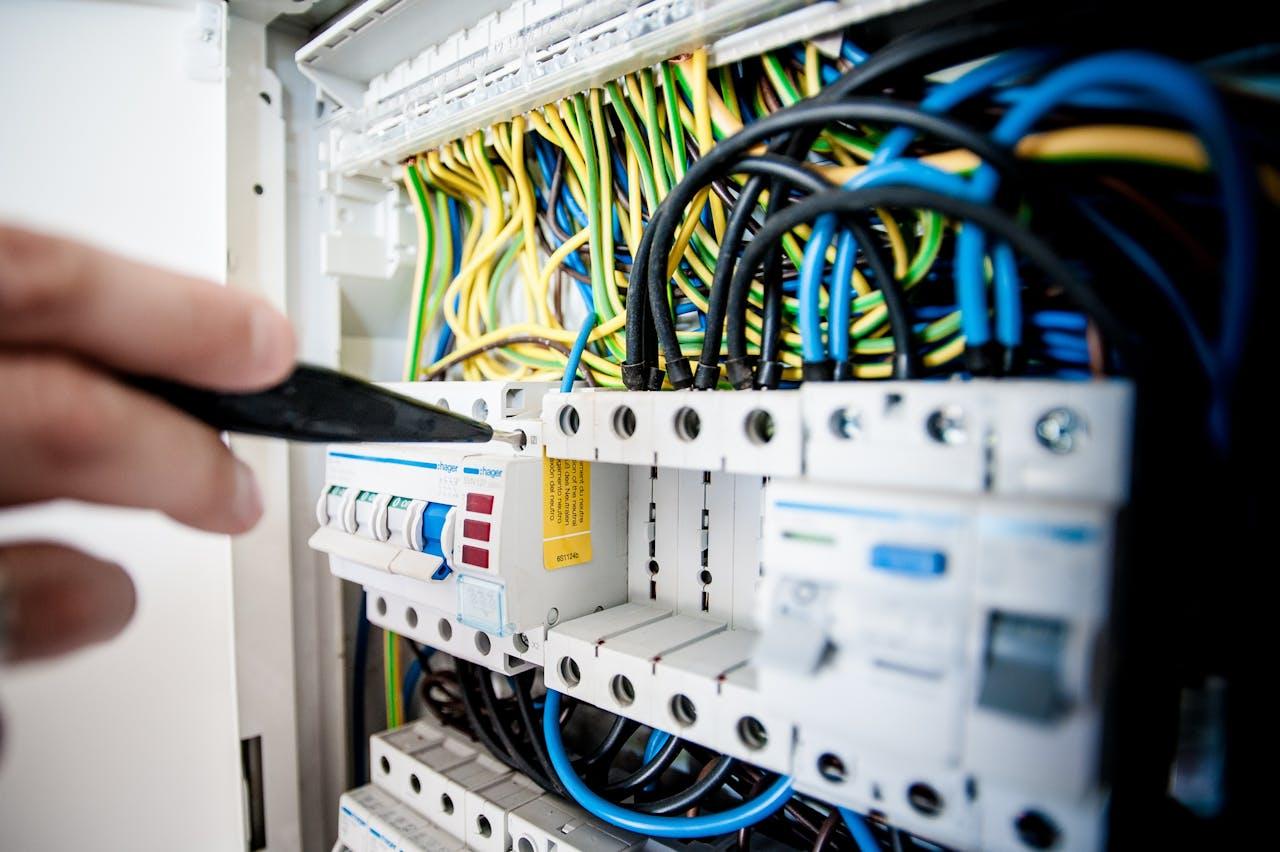
Flexible cables are an essential component in modern electrical and electronic systems, designed to provide reliable power and signal transmission in applications that require movement, bending, or vibration resistance. Unlike rigid cables, flexible cables are built with finely stranded conductors and specialized insulation materials, allowing them to bend repeatedly without damage. Their versatility and durability make them a preferred choice across various industries Wires & Cables Manufacturer In India.
What Are Flexible Cables?
Flexible cables are electrical cables specifically engineered to handle dynamic conditions. They are made using multiple thin strands of copper or aluminum, which enhances their flexibility and reduces the risk of breakage. The outer insulation is typically composed of materials such as PVC, rubber, or thermoplastic elastomers, providing protection against environmental factors like moisture, heat, and abrasion.
These cables are commonly used in situations where standard cables would fail due to constant movement or mechanical stress.
Types of Flexible Cables
Flexible cables are available in different types, each designed for specific applications:
· Single-Core Flexible Cables:
These cables consist of a single conductor and are commonly used in internal wiring and small electrical appliances.
· Multi-Core Flexible Cables:
Containing multiple conductors within a single sheath, these cables are ideal for complex systems that require multiple connections, such as machinery and control panels.
· Shielded Flexible Cables:
These cables include an additional shielding layer to protect against electromagnetic interference (EMI), making them suitable for sensitive electronic equipment.
· Rubber Flexible Cables:
Known for their high durability and resistance to harsh conditions, these cables are often used in industrial and outdoor environments.
· Flat Flexible Cables (FFC):
These are thin, flat cables used in compact electronic devices like computers and printers, where space is limited.
Uses of Flexible Cables
Flexible cables are widely used across various sectors due to their adaptability and performance:
· Industrial Machinery:
Used in equipment that involves continuous movement, such as conveyor systems and robotic arms.
· Home Appliances:
Found in devices like washing machines, refrigerators, and power cords.
· Construction and Infrastructure:
Used for temporary power supply and portable electrical setups.
· Automotive Industry:
Essential for wiring systems in vehicles, where vibration and movement are constant.
· Electronics and IT Equipment:
Used in computers, communication devices, and control systems.
Benefits of Flexible Cables
Flexible cables offer several advantages that make them indispensable:
· High Flexibility:
Designed to withstand repeated bending and twisting without damage.
· Durability:
Resistant to wear, tear, and environmental stress, ensuring a longer lifespan.
· Ease of Installation:
Their flexibility makes them easier to install in tight or complex spaces.
· Improved Safety:
High-quality insulation reduces the risk of electrical hazards such as short circuits and shocks.
· Versatility:
Suitable for a wide range of applications, from household use to heavy industrial operations.
Conclusion
Flexible cables play a crucial role in powering modern systems that demand adaptability and reliability. With various types available for different applications, they offer unmatched performance in dynamic environments. Their durability, safety, and ease of use make them a vital component in industries ranging from manufacturing to electronics. Understanding their types, uses, and benefits helps in selecting the right cable for specific needs, ensuring efficient and safe electrical operations.
Google Map - https://maps.app.goo.gl/iboiYMrQUBieEPVe8
Power Cords & Wire Harness Division (Pune):- E-06, Ranjangaon M.I.D.C. Industrial Area, Karegaon, Tal. Shirur, Pune, Maharashtra 412220
 English
Join our community to interact with posts!