
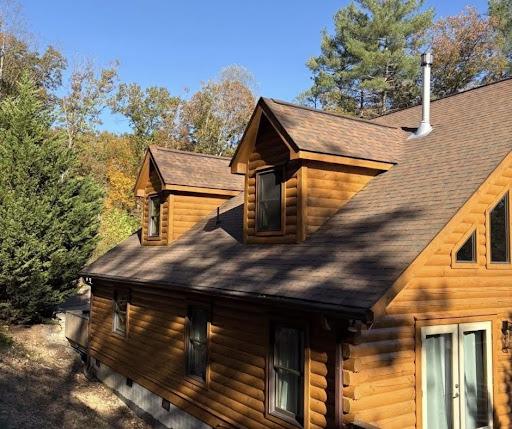
There’s nothing quite like the smell of fresh pine and the quiet charm of a log cabin tucked into the woods. But, let’s be honest, charm doesn’t come without its headaches. Moisture is a relentless little bastard. It creeps in through tiny gaps, gets under the finish, and before you know it, you’re staring at rotting logs. If you’ve ever dealt with this, you know how fast a cozy cabin can turn into a waterlogged nightmare. That’s where log cabin repair rotten logs becomes more than just a nice-to-have—it’s survival for your home.
Why Moisture Loves Your Cabin
Wood is thirsty. And when you live in a damp climate or just get heavy seasonal rains, it’s going to absorb water, no matter how well you think you sealed it. Rain sneaks in through overlooked cracks, poorly caulked corners, or even old weathered logs. Once the water settles in, it breaks down the fibers of the wood. Mold shows up, stains form, and rot starts gnawing at your logs from the inside out.
This is where many cabin owners make the mistake of thinking a little stain or sealant will fix everything. Nope. Rotten logs need more than a cosmetic touch. Ignoring it doesn’t make it go away; it just makes future repair costlier.
Spotting the Rot Before It’s Too Late
You don’t always need to wait until a log is crumbling in your hand to know something’s wrong. There are warning signs: dark spots, spongy areas, or a musty smell that wasn’t there before. Sometimes the wood even softens under your fingernail. If any of these pop up, it’s time to get serious about log cabin repair rotten logs.
A lot of folks try to cut corners, scraping off the surface rot and slapping on some finish. That might hide it for a while, but the problem runs deeper. True repair means assessing the log all the way through. If water’s gotten inside, it’s not just the surface—it’s the structure.
The Tools and Materials You’ll Need
Before diving in, get your gear lined up. You’ll need some basic tools: pry bars, a good saw, chisels, and a drill. For materials, expect wood epoxy, preservative treatments, and replacement logs if a section is beyond saving. And don’t forget your caulk and sealants—they’ll be essential when the repair is done.
Nothing fancy, really. Just quality materials. Cheap stuff will fail fast, and you’ll be right back at square one.
Step-by-Step Approach to Repair Log Cabin Rot
Alright, here’s where it gets hands-on. There’s no magic here. Rot doesn’t fix itself, and a half-assed job only sets you up for repeat damage.
Identify All Affected Logs – Walk around your cabin. Tap on logs with a hammer. Hollow sounds? Those are your trouble spots. Don’t just stop at what’s obvious. Moisture spreads.
Remove the Rotten Sections – Use your saw and chisels to cut out decayed wood. Be methodical, but don’t overthink it. You want clean edges so the repair material or new log seats properly.
Treat the Remaining Wood – Once the rotten part is out, treat the surrounding wood with a preservative. This kills fungi and protects against future moisture. It’s a step many people skip, and it’s why rot comes back.
Fill or Replace – Small sections can be patched with epoxy or wood filler. Big sections? You’re probably better off replacing the log entirely. It sounds scary, but it’s doable with some patience and elbow grease.
Seal and Protect – Caulking, staining, and sealing aren’t optional here. They’re your armor against the next downpour. Make sure every seam, every joint, every nook is sealed tight. Think of it as armor plating your cabin against water.
Common Mistakes to Avoid
You’d be surprised how often people botch log cabin repair. Some classic screw-ups:
Ignoring the underlying moisture problem – If the rain is still getting in, you’re just patching symptoms. Track down leaks, fix gutters, redirect water away from logs.
Using cheap fillers or epoxy – It might save money now, but it won’t hold long term. You’ll pay more later.
Skipping preventive treatment – Wood treatments aren’t optional. Mold, mildew, and rot come back fast if you skip this.
The key is honesty with yourself. Don’t pretend a log is fine because the surface looks okay. Dive in, see the damage, and handle it properly.
Keeping Your Cabin Safe Long-Term
Once you’ve got your rotten logs repaired, it’s time to think long-term. Regular inspections, especially after heavy rains or winter melts, can save you from the next major repair. Staying ahead of issues is key when it comes to repair log cabin rot, because small signs of moisture can quickly turn into bigger problems. Maintain your sealants, clean gutters, and watch for any signs of new moisture intrusion. A little effort now avoids a massive headache later.
Also, consider adding overhangs or small drip edges above vulnerable walls. Little changes in how water flows around your cabin can dramatically reduce the chance of rot. And don’t forget ventilation—proper airflow keeps wood drier and healthier.
Conclusion: Don’t Wait Until It’s Too Late
Rot doesn’t knock politely. It creeps in slowly, quietly, until suddenly your beautiful cabin is a mess of soft, discolored wood. Log cabin repair rotten logs isn’t glamorous, but it’s necessary. Whether you’re patching small areas or swapping out entire logs, getting ahead of moisture damage is the difference between a minor weekend project and a full-blown disaster.
If you love your cabin, treat it like you mean it. Inspect, repair, seal, repeat. Rain and moisture are relentless, but with proper care, your log cabin can withstand whatever nature throws at it. Don’t wait. Start tackling those rotten logs before they take over. Your future self—and your cabin—will thank you.
 English
Join our community to interact with posts!