
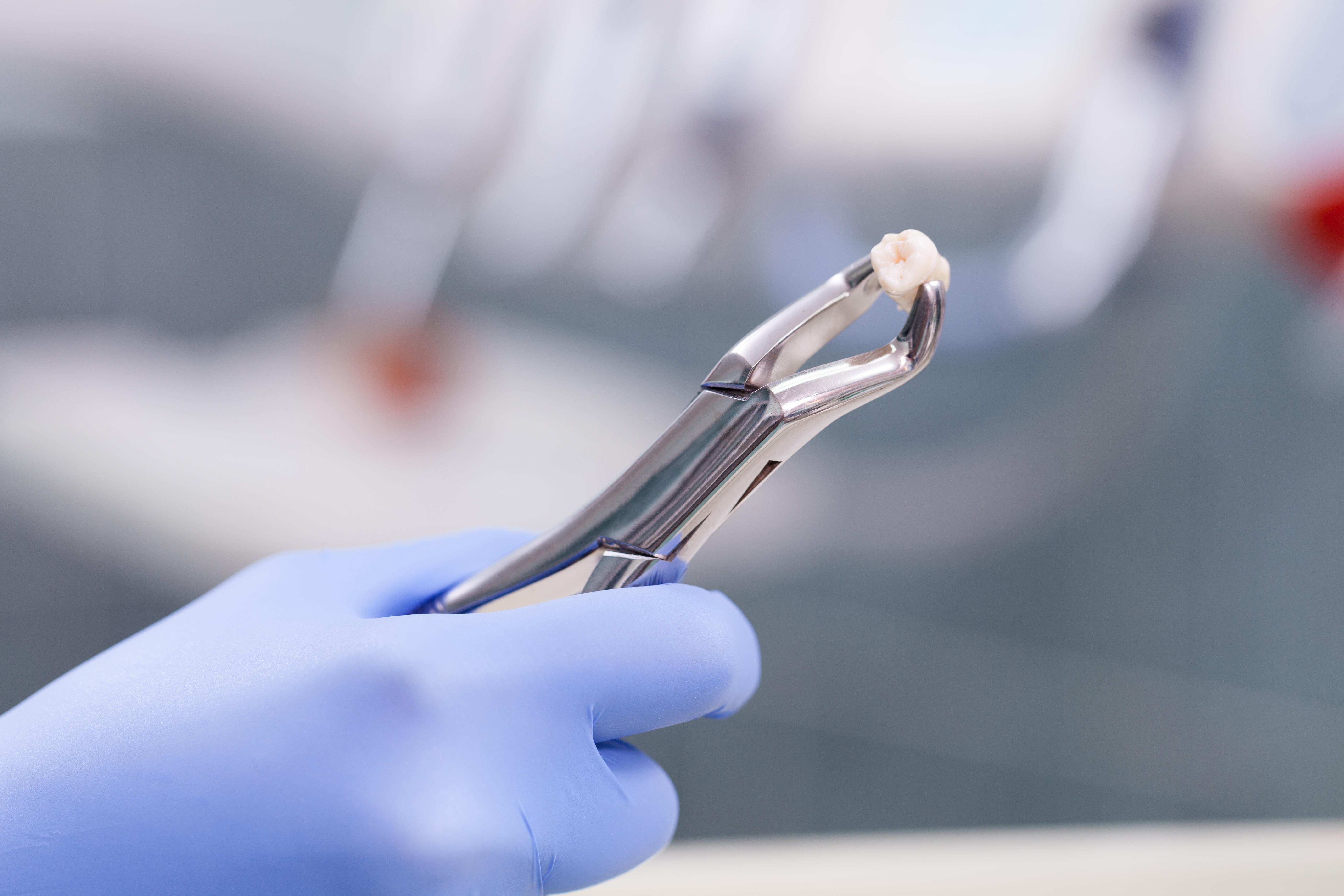
Preparing for a wisdom tooth extraction can feel overwhelming, especially if it’s your first dental surgery. Questions about pain, anesthesia, recovery time, and what to expect often create unnecessary stress. The truth is, with proper preparation and the right mindset, the procedure can be smooth, safe, and far less intimidating than you might think.
Understanding Why Preparation Matters:
Wisdom Tooth Extraction In Dubai is not just about the procedure itself—it’s about how well you prepare beforehand. Proper preparation reduces the risk of complications, ensures a smoother surgical experience, and helps speed up recovery.
Whether you’re dealing with impacted wisdom teeth, gum inflammation, or jaw pain, being prepared allows your dentist to perform the procedure more efficiently while minimizing discomfort. It also sets the foundation for better healing and fewer post-surgery issues.
Attend a Thorough Dental Consultation:
Your journey begins with a detailed consultation with your dentist or oral surgeon. This is where your condition is assessed using dental X-rays or panoramic imaging to evaluate the position of your wisdom teeth.
During this visit, discuss any symptoms you’re experiencing, such as swelling, tooth pain, or difficulty chewing. Your dentist will also review your medical history, medications, and allergies to ensure a safe treatment plan.
This step is crucial for determining whether you need a simple extraction or a surgical procedure and what type of anesthesia will be used.
Understand the Procedure and Ask Questions:
Knowledge reduces fear. Take time to understand how the wisdom tooth extraction procedure works. Ask your dentist about the steps involved, how long it will take, and what sensations you might experience.
You can also discuss anesthesia options, such as local anesthesia, sedation, or general anesthesia, depending on your comfort level and the complexity of the extraction.
Clarifying these details helps you set realistic expectations and eliminates unnecessary anxiety before the surgery.
Follow Pre-Surgery Instructions Carefully:
Your dentist will provide specific pre-operative instructions that must be followed closely. If sedation or general anesthesia is planned, you may be asked to avoid eating or drinking for at least 6 to 8 hours before the procedure.
You might also need to stop taking certain medications temporarily, especially blood thinners, as they can increase bleeding risk. Always follow your dentist’s guidance and never make changes to your medication routine without professional advice.
Maintaining good oral hygiene before the procedure is also important, as it reduces the risk of infection during and after the extraction.
Plan Your Transportation and Support:
If you’re receiving sedation or general anesthesia, you won’t be able to drive yourself home after the procedure. Arrange for a trusted friend or family member to accompany you and assist you afterward.
Having someone with you during the first few hours of recovery can be incredibly helpful, especially if you feel drowsy or uncomfortable. This support ensures your safety and allows you to rest without worry.
Prepare Your Recovery Space at Home:
Creating a comfortable recovery environment before your surgery can make a big difference. Set up a quiet space where you can rest without distractions.
Keep essential items within reach, such as prescribed medications, water, soft foods, ice packs, and clean gauze. Having everything ready in advance means you won’t need to move around unnecessarily after the procedure.
Comfortable pillows to keep your head elevated and entertainment options like books or movies can also help you relax during the recovery period.
Stock Up on Soft Foods and Essentials:
Your diet will need to change temporarily after wisdom tooth extraction, so it’s important to prepare in advance. Stock up on soft, easy-to-eat foods like yogurt, smoothies, mashed potatoes, soups, applesauce, and scrambled eggs.
Avoid foods that are hard, crunchy, spicy, or sticky, as they can irritate the extraction site or become lodged in the socket. Staying hydrated is equally important, so ensure you have plenty of water available.
Planning your meals ahead of time eliminates stress and allows you to focus entirely on recovery.
Dress Comfortably on the Day of Surgery:
On the day of your procedure, wear loose, comfortable clothing. Short-sleeved or easily adjustable outfits are ideal, especially if intravenous sedation is involved.
Avoid wearing makeup, jewelry, or contact lenses if you’re undergoing sedation. Keeping things simple ensures a smoother process and allows your dental team to focus entirely on your care.
Arriving on time and staying calm will also help set a positive tone for the procedure.
Stay Calm and Mentally Prepared:
Mental preparation is just as important as physical preparation. It’s natural to feel nervous, but understanding that wisdom tooth extraction is a routine dental procedure can help ease your mind.
Practice relaxation techniques such as deep breathing or listening to calming music before your appointment. Trust in your dentist’s expertise and focus on the long-term benefits of improved oral health.
A calm mindset can make the entire experience more comfortable and manageable.
Know What Happens Right Before the Procedure:
When you arrive at the dental clinic, your dentist will review your case and confirm the treatment plan. You’ll receive anesthesia to ensure a pain-free experience.
Local anesthesia numbs the area completely, while sedation helps you relax or even sleep through the procedure. Once the anesthesia takes effect, the extraction begins.
Understanding this process beforehand helps eliminate uncertainty and allows you to approach the procedure with confidence.
Prepare for Immediate Aftercare:
Preparation doesn’t end before the procedure—it extends into the recovery phase. Your dentist will provide aftercare instructions, including how to manage bleeding, swelling, and pain.
Be ready to bite down on gauze to control bleeding and allow a blood clot to form. Avoid activities like using straws, smoking, or vigorous rinsing, as these can lead to dry socket.
Having ice packs ready and knowing how to take your medications ensures a smoother transition into recovery.
Common Mistakes to Avoid Before Surgery:
Many patients unknowingly make mistakes that can complicate their procedure or recovery. Skipping meals when not required, ignoring medication guidelines, or failing to arrange transportation can create unnecessary challenges.
Another common mistake is neglecting oral hygiene before surgery, which can increase the risk of infection. Being proactive and attentive to details helps prevent these issues and ensures a safer experience.
Benefits of Proper Preparation:
Taking the time to prepare properly offers several advantages. It reduces anxiety, minimizes complications, and allows your dentist to perform the extraction more efficiently.
Prepared patients often experience less discomfort, faster healing, and a more positive overall experience. It also helps you feel in control of the situation, turning what might seem like a stressful event into a manageable process.
Final Thoughts on Step-by-Step Preparation:
Preparing for a Wisdom Tooth Extraction doesn’t have to be complicated. By following a structured approach—from consultation and planning to mental readiness and aftercare—you can ensure a smooth and successful experience.
Understanding each step allows you to approach the procedure with confidence rather than fear. With the right preparation, wisdom tooth removal becomes a straightforward process that leads to better oral health and long-term comfort.
Taking control of your preparation today sets the stage for a faster recovery and a healthier smile tomorrow.
 English
Join our community to interact with posts!