
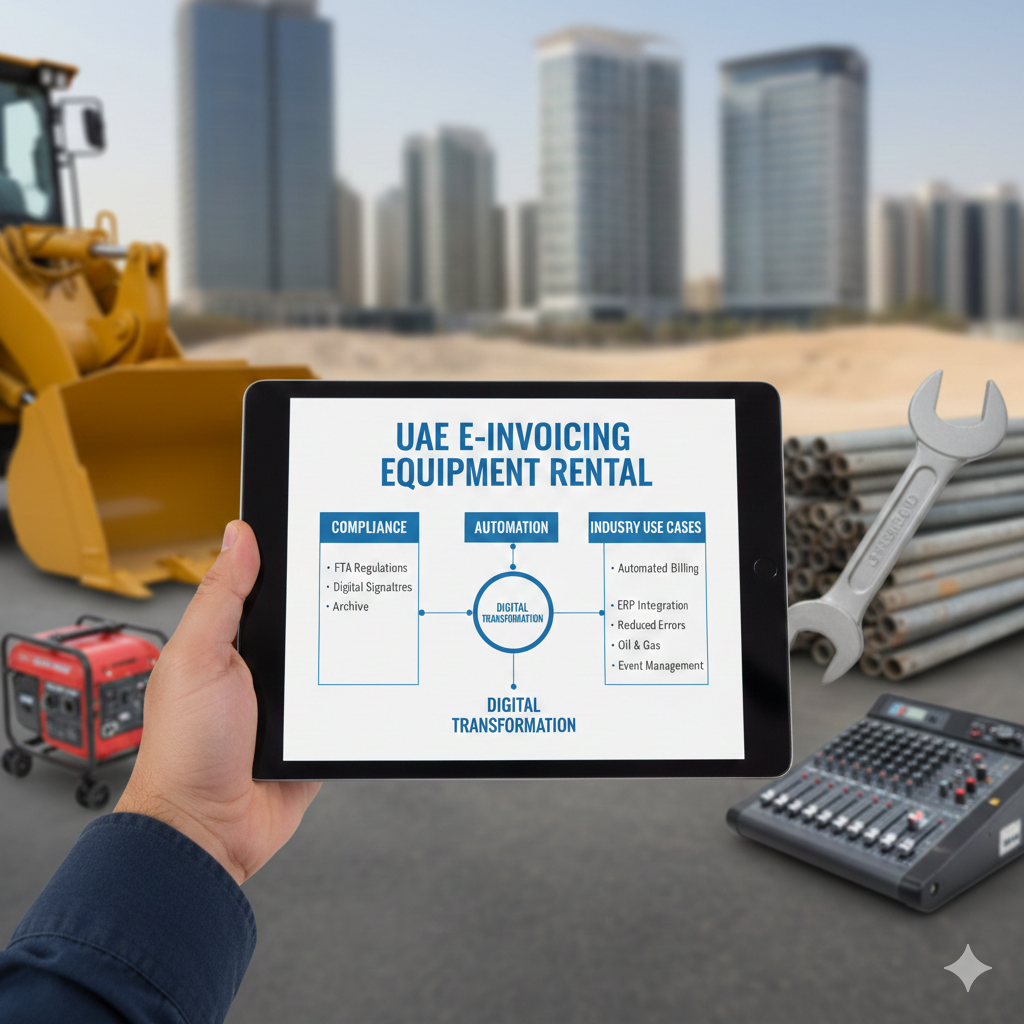
The UAE is steadily moving toward a more transparent and digitally driven tax ecosystem, and businesses must adapt quickly to stay compliant. One of the most important steps in this transformation is uae e-invoice integration, which enables organizations to streamline invoicing processes, improve accuracy, and align with regulatory expectations. Whether you are a small business or a large enterprise, understanding how integration works and why it matters is crucial for long-term success in the UAE market.
What is UAE E-Invoice Integration?
UAE e-invoice integration refers to the process of connecting your existing accounting, ERP, or billing systems with a standardized electronic invoicing framework. This allows invoices to be generated, transmitted, validated, and stored digitally in a structured format.
Instead of manual invoicing or PDF-based billing, businesses adopt automated systems that ensure compliance with government regulations while improving operational efficiency. As regulatory frameworks evolve, uae e-invoicing integration becomes a critical requirement rather than an optional upgrade.
Why UAE is Moving Toward E-Invoicing
The UAE government aims to enhance tax transparency, reduce fraud, and improve economic monitoring through digital transformation. E-invoicing plays a central role in achieving these goals.
Key Objectives:
- Improve VAT compliance and reporting accuracy
- Reduce tax evasion and fraud
- Enable real-time transaction tracking
- Enhance business efficiency through automation
As a result, businesses are increasingly investing in uae einvoicing integration to stay aligned with upcoming mandates.
Key Components of UAE E-Invoice Integration
To successfully implement uae e-invoice integration, businesses must understand its core components:
1. System Integration
Your existing ERP or accounting software must be connected to an e-invoicing platform. This ensures seamless invoice generation and transmission.
2. Standardized Invoice Format
Invoices must follow a structured digital format such as XML or JSON to comply with regulatory requirements.
3. Real-Time Data Exchange
The system should support secure and real-time communication between your business and regulatory authorities.
4. Validation and Compliance Checks
Invoices are automatically validated for accuracy, reducing errors and ensuring compliance.
5. Secure Storage
Digital invoices must be stored securely for auditing and regulatory purposes.
Benefits of UAE E-Invoice Integration
Adopting uae e-invoicing integration offers multiple advantages beyond compliance.
Improved Accuracy
Automation reduces human errors in invoicing, ensuring accurate financial records.
Faster Processing
Invoices are generated and processed instantly, improving cash flow and reducing delays.
Cost Savings
Eliminates paper-based processes, printing, and manual labor costs.
Better Compliance
Helps businesses meet VAT and regulatory requirements without complications.
Enhanced Transparency
Provides clear visibility into transactions, improving financial management.
Businesses that adopt uae einvoice integration early gain a competitive advantage by optimizing operations and avoiding last-minute compliance challenges.
Challenges in UAE E-Invoice Integration
While the benefits are significant, businesses may face certain challenges during implementation.
Technical Complexity
Integrating legacy systems with modern e-invoicing platforms can be complex.
Regulatory Uncertainty
As regulations evolve, businesses must stay updated to ensure compliance.
Data Security Concerns
Handling sensitive financial data requires robust security measures.
Cost of Implementation
Initial setup and integration costs may be high for some businesses.
Partnering with a reliable uae e-invoicing integration company can help overcome these challenges effectively.
Choosing the Right UAE E-Invoicing Integration Services
Selecting the right service provider is crucial for a smooth transition.
What to Look For:
- Experience in UAE tax and compliance regulations
- Expertise in ERP and accounting system integration
- Scalable solutions for growing businesses
- Strong data security and encryption standards
- Ongoing support and maintenance
Professional uae e-invoice integration services ensure that your system is future-ready and compliant with evolving regulations.
Steps to Implement UAE E-Invoice Integration
A structured approach helps ensure successful implementation.
1. Assess Current Systems
Evaluate your existing accounting or ERP systems to identify integration requirements.
2. Choose the Right Solution
Select a platform or vendor offering reliable uae einvoicing integration services.
3. Data Mapping and Configuration
Align your invoice data with the required digital format.
4. Integration and Testing
Connect your system with the e-invoicing platform and conduct thorough testing.
5. Training and Deployment
Train your team and deploy the solution across your organization.
6. Continuous Monitoring
Regularly monitor performance and ensure compliance with updated regulations.
Role of a UAE E-Invoice Integration Company
A professional uae einvoice integration company plays a key role in simplifying the entire process.
Services Offered:
- System assessment and consultation
- Custom integration solutions
- Compliance guidance
- Technical support and maintenance
- Upgrades based on regulatory changes
Working with an experienced uae e-invoicing integration company reduces risks and ensures a smooth transition.
Future of E-Invoicing in the UAE
The UAE is expected to adopt a fully digital invoicing framework similar to global standards. Businesses that delay adoption may face compliance risks and operational inefficiencies.
Emerging Trends:
- Real-time invoice reporting
- Integration with tax authority platforms
- Increased use of AI for fraud detection
- Cross-border e-invoicing capabilities
As these trends evolve, uae e-invoicing integration services will become essential for businesses aiming to scale and remain compliant.
Common Use Cases Across Industries
Different industries benefit from uae e-invoice integration in unique ways.
Retail
Automated billing improves customer experience and reduces checkout delays.
Manufacturing
Streamlines supply chain invoicing and improves vendor management.
Healthcare
Ensures accurate billing and compliance with regulatory standards.
E-commerce
Enables seamless digital transactions and real-time invoice generation.
Best Practices for Successful Integration
To maximize the benefits of uae einvoicing integration, businesses should follow these best practices:
- Start early and plan ahead
- Choose scalable solutions
- Ensure data accuracy and consistency
- Train employees thoroughly
- Stay updated with regulatory changes
These steps help businesses achieve a smooth and efficient integration process.
Conclusion
UAE e-invoice integration is no longer just a technological upgrade—it is a strategic necessity for businesses operating in a rapidly evolving digital economy. By adopting the right tools, partnering with experienced providers, and staying compliant with regulations, organizations can unlock significant efficiency gains and long-term growth opportunities.
Investing in reliable uae e-invoice integration services ensures that your business is prepared for future regulatory changes while maintaining operational excellence. As the UAE continues its journey toward digital transformation, businesses that embrace e-invoicing today will be better positioned to succeed tomorrow.
 English
Join our community to interact with posts!