
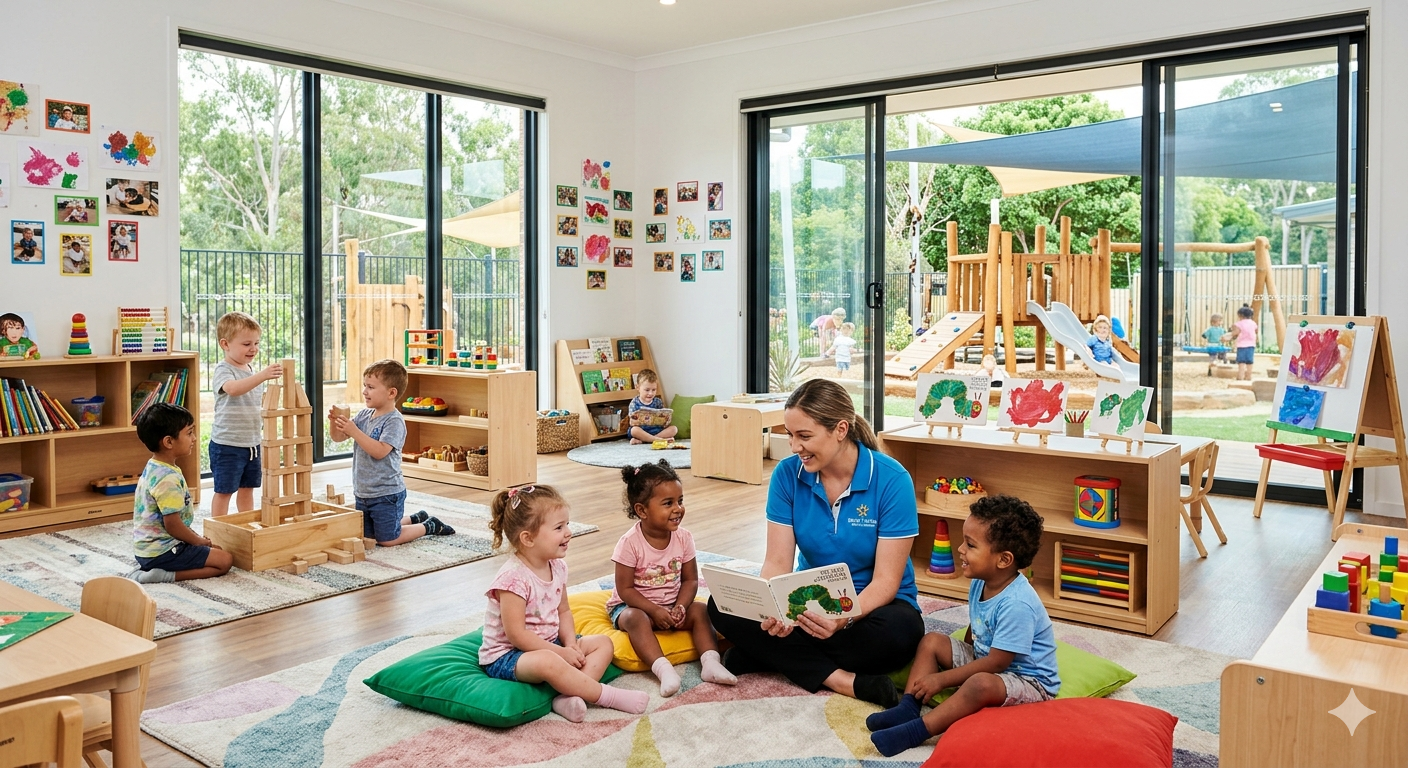
Early childhood education has always been important, but in 2026, its role has grown even more critical. As the world changes rapidly, children need a strong foundation to thrive both academically and socially. Access to quality early learning experiences can shape a child’s future success, confidence, and love for learning.
Parents and educators now recognize that starting early is not just about preparing children for school—it’s about preparing them for life. Choosing the right early childhood education centre can make a significant difference in a child’s development, setting them up for long-term achievement and wellbeing.
Understanding Early Childhood Education
Early childhood education focuses on learning and development for children from birth to around five years old. At this stage, the brain grows rapidly, and children absorb knowledge, skills, and social habits at an incredible rate.
This education isn’t just about letters and numbers. It includes emotional growth, communication, problem-solving, and creativity. Children learn through play, exploration, and structured activities, giving them the tools to handle school and life challenges effectively.
Why 2026 is a Critical Time for Early Education
Several trends in 2026 make early childhood education more important than ever. Technology continues to evolve, and children are exposed to digital media at younger ages. While this can offer learning opportunities, it also makes foundational skills like attention, critical thinking, and social interaction more essential.
Additionally, modern workplaces demand adaptable skills. Children who engage in early education programs develop independence, resilience, and curiosity—traits that prepare them for future challenges. Quality early learning also helps bridge gaps for children from diverse backgrounds, ensuring equal opportunities for growth and success.
Social and Emotional Development Benefits
Early childhood education isn’t only about academics. One of the most important aspects is social and emotional development. Children learn how to interact with peers, manage emotions, and develop empathy.
In group settings at an early childhood education centre, children experience teamwork, share ideas, and resolve conflicts. These skills are essential for forming healthy relationships and succeeding in both school and later life.
Teachers and caregivers play a key role in guiding children through challenges, helping them understand feelings, and encouraging self-confidence.
Cognitive Development and Learning Readiness
The early years are a critical time for cognitive development. Children’s brains are highly receptive to language, math, and problem-solving skills. Participating in structured activities helps children build strong foundations in literacy, numeracy, and reasoning.
Quality early education supports curiosity and a love for learning. Children who attend an early childhood education centre are better prepared for formal schooling, often adjusting faster and performing better academically than children who do not have this early exposure.
Physical Growth and Motor Skills
Physical development is another key benefit of early childhood education. Activities like outdoor play, arts, and hands-on learning help children build fine and gross motor skills.
Movement, coordination, and sensory experiences are incorporated into daily routines at quality early learning centres. These experiences not only support physical health but also enhance concentration, focus, and overall brain development.
Encouraging Creativity and Critical Thinking
In 2026, creativity and critical thinking are more important than ever. Children who develop these skills early are better equipped to handle problem-solving, innovation, and decision-making in the modern world.
Early childhood programs encourage children to explore, ask questions, and think independently. Activities like storytelling, building projects, and imaginative play help children see possibilities, express ideas, and build confidence in their own abilities.
Supporting Families and Communities
Early childhood education also provides support for families. Parents can focus on work or studies knowing their child is in a safe and stimulating environment. Children benefit from consistent routines, expert guidance, and social interaction.
Communities also benefit when children attend quality early learning programs. Children develop the skills to become engaged, confident, and compassionate citizens. Investing in early education strengthens society as a whole.
Choosing the Right Early Childhood Education Centre
Selecting the right centre is crucial. Look for facilities that prioritize safety, qualified staff, and a balanced curriculum that includes academic, social, and physical development.
An early childhood education centre that values personalized attention ensures each child receives guidance suited to their unique strengths and needs. The right environment fosters curiosity, encourages exploration, and builds a strong foundation for lifelong learning.
Preparing Children for a Digital and Global World
Children today grow up in a highly connected, fast-changing world. Early education can help them navigate these changes successfully. Learning social skills, problem-solving, and digital awareness at a young age prepares them to adapt to global challenges.
With guidance from trained educators, children develop the ability to use technology wisely while balancing real-world experiences. This balanced approach is essential for healthy growth in 2026 and beyond.
Long-Term Benefits of Early Learning
Studies consistently show that children who participate in quality early childhood education have better school performance, higher graduation rates, and stronger social skills. Early learning helps reduce educational gaps, prepares children for future careers, and encourages a lifelong love of learning.
Investing in early childhood education is an investment in a child’s future. Choosing a reputable early childhood education centre ensures that children gain the skills, confidence, and knowledge they need to thrive in school and life.
Conclusion
Early childhood education is more important than ever in 2026. As society evolves, children need a strong foundation in social, emotional, cognitive, and physical skills. Quality programs offered at an early childhood education centre provide a safe, nurturing, and stimulating environment where children can grow, learn, and develop a love for discovery.
By starting early, parents give their children a head start in life. The benefits extend far beyond the classroom, shaping confident, capable, and happy individuals ready to face the world. Investing in early learning is investing in the future, and in 2026, there has never been a better time to prioritize it.
 English
Join our community to interact with posts!