
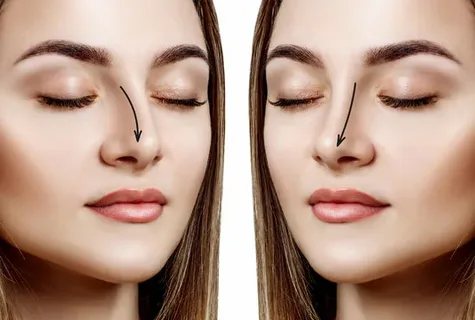
In the rapidly evolving landscape of aesthetic medicine, the techniques used to reshape the nose have undergone a significant technological shift. Gone are the days of aggressive bone removal that often led to a "pinched" or artificial appearance. Modern Rhinoplasty in Dubai is now characterized by a preservation-focused philosophy, where the surgeon aims to retain as much of the patient’s natural anatomy as possible while making strategic structural adjustments. This blog provides a detailed overview of the contemporary surgical journey, emphasizing the medical innovations that have made nasal reconstruction safer, more predictable, and more aesthetically refined.
The Evolution of Preservation Rhinoplasty in Dubai
The most significant advancement in modern nasal surgery is the transition from "resection" to "preservation." Instead of cutting away large portions of the nasal bridge, surgeons now use specialized tools to gently lower the entire nasal pyramid from its base. This technique preserves the natural "dorsal aesthetic lines"—the two parallel shadows that run from the eyebrows to the tip—which are nearly impossible to recreate once destroyed. In our clinical experience, preservation techniques lead to significantly less post-operative swelling and a much more stable bridge, ensuring the nose maintains its integrity as the patient ages.
The Mechanical Logic of Ultrasonic Reshaping
A key component of the modern procedure is the use of piezoelectric or "ultrasonic" bone sculpting. Traditional surgical hammers and chisels can sometimes cause unintended fractures or trauma to the surrounding soft tissue and blood vessels. With ultrasonic technology, the surgeon uses high-frequency vibrations to precisely shave or cut the nasal bones without damaging the delicate skin or mucous membranes. What patients typically report during recovery is a marked reduction in "black-and-blue" bruising around the eyes, as the mechanical action is localized strictly to the hard bone tissue.
Why Rhinoplasty in Dubai Is Used for Modern Correction
The purpose of a modern surgical intervention is to create a nose that functions as a high-performance respiratory organ while serving as a balanced facial anchor. Medical reasons for modern surgery include the correction of internal "valve collapse," which is often the result of aging or previous trauma. By using modern "spreader flaps"—where the patient’s own cartilage is folded inward to widen the airway—the surgery fulfills its purpose: restoring deep, silent breathing. Simultaneously, the procedure addresses the aesthetic goal of refining the nasal tip and bridge to match the patient’s specific facial proportions.
Benefits of Modern Surgical Techniques
-
Reduced Recovery Downtime: Less trauma to soft tissues means a faster return to social activities.
-
Structural Stability: Preservation techniques maintain the "roof" of the nose, preventing middle-vault collapse.
-
Invisible Scarring: Advanced suturing and "internal-only" incisions leave no trace of surgery.
-
Natural Dorsal Contours: Maintaining the original bridge anatomy for a more authentic look.
-
Improved Long-term Breathing: Focusing on internal valve support rather than just external narrowing.
Identifying Candidates for Modern Nasal Surgery
Ideal candidates for modern preservation techniques are those with a "tension nose" or a hump that they wish to reduce without losing their natural profile character. It is medically essential that the patient has healthy nasal cartilage and has not undergone multiple previous surgeries, as "revision" cases often require more traditional reconstructive methods. We also look for patients who are looking for "refinement" rather than "transformation," as the modern goal is to enhance the existing beauty of the face. A thorough clinical consultation, including a skin elasticity test, is necessary to determine if the modern preservation path is the safest option.
The Modern Step-by-Step Surgical Flow
-
3D Pre-Operative Planning: Using digital simulations to map out the exact millimeter of bone to be moved.
-
Targeted Anesthesia: Modern sedation protocols that allow for a quicker "wake-up" period with less nausea.
-
Sub-Perichondrial Dissection: Elevating the skin in a bloodless plane to protect the facial nerves.
-
Ultrasonic Sculpting: Using the Piezo device to smooth the bridge with extreme precision.
-
Tip Refinement: Utilizing "strut-based" sutures to set the tip position without removing vital cartilage.
-
Minimalist Splinting: Applying a lightweight, breathable cast to protect the bridge for the first week.
Comparison of Traditional vs. Modern Techniques
| Feature | Traditional Approach | Modern Preservation Approach |
| Bone Removal | Resection (cutting away the top) | Let-down (lowering from the base) |
| Tools Used | Manual Osteotomes (chisels) | Ultrasonic Piezo Device |
| Recovery | Extensive bruising (2–3 weeks) | Minimal bruising (7–10 days) |
| Bridge Shape | Risk of "scooped" look | Maintains natural dorsal lines |
| Internal Valve | Often requires separate grafts | Built-in support during reshaping |
Navigating Complexity in Modern Cases
Even with advanced tools, the complexity of a nasal procedure is dictated by the patient's internal "septal architecture." If the septum is severely twisted, it must be straightened before the external "let-down" can occur. Furthermore, patients with very thin skin require a layer of "fascia"—thin connective tissue—to be placed over the bridge to ensure no tiny irregularities are visible. While we maintain a professional clinical tone that avoids price discussions, we ensure every patient understands the high-tech resources and specialized training required to perform these modern preservation surgeries safely.
The Biological Response to Modern Reshaping
Because modern techniques are less invasive, the body’s biological response is often more predictable and less inflammatory.
-
Days 1–5: Initial healing of the internal incisions; patients breathe through the mouth temporarily.
-
Day 7: The splint is removed, and the bridge appears straight and refined immediately.
-
Month 1: The majority of the "swelling" is gone, though the tip remains slightly firm.
-
Month 6: The internal tissues have fully remodeled, and the final profile is clearly visible.
-
Year 1: The nose has reached its permanent strength and the skin has fully adapted.
Safety Measures in a Modern Clinical Setting
Patient safety is enhanced through the use of high-resolution endoscopes that allow the surgeon to see exactly where every internal suture is placed. Standard responses to the modern procedure include a temporary feeling of "tightness" in the nose and a decreased sense of smell for the first few weeks. In our clinical experience, the risk of "secondary deformities" is significantly lower when using preservation techniques, as the structural foundation of the nose is never fully removed. Following all post-operative care instructions—such as using saline sprays and avoiding sun exposure—is vital for a safe transition.
Long-Term Health and Aesthetic Maintenance
The durability of modern results is one of their greatest strengths. Because the bridge was lowered rather than cut, it is much less likely to shift or collapse over time. We advise patients to maintain a healthy lifestyle and avoid any high-impact sports where a facial injury could occur during the first year of healing. Protecting the skin with high-SPF sunblock is a medical requirement, as modern techniques rely on the skin "shrinking" perfectly over the new frame. Regular clinical check-ups ensure that the functional improvements—like the wide internal valves—remain stable for decades.
Conclusion
The modern approach to nasal surgery is a testament to how far medical science has come in respecting the human form. It is a journey that replaces "drastic change" with "precise refinement," ensuring that every patient looks like a better version of themselves. At Tajmeels Clinic, we are committed to these preservation-focused standards, providing a professional and empathetic environment where your health and beauty are treated with equal importance. We believe that by using the most advanced tools and techniques, we can help you achieve a profile that is both structurally sound and naturally elegant.
 English
Join our community to interact with posts!