
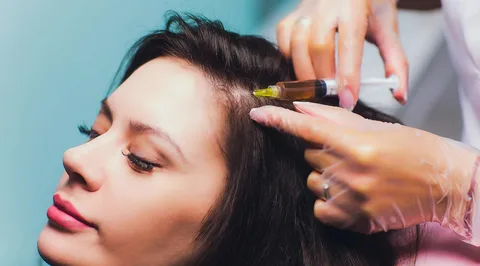
Undergoing a regenerative procedure is a significant step toward reclaiming hair density, but the clinical journey does not end when you leave the treatment room. For those opting for PRP Hair Treatment in Dubai, the "post-care" window is a vital period where the scalp transitions from the stimulation of injections to the active phase of follicular repair. While the procedure itself is non-surgical and requires no downtime, following a medically sound aftercare protocol ensures that the concentrated growth factors remain undisturbed and fully absorbed. Proper recovery management is the bridge between a successful clinical session and the long-term aesthetic results that patients desire.
The First 24 Hours: Protecting the Injection Sites
The immediate period following your session is the most critical for scalp hygiene. Because the treatment involves micro-injections, the skin of the scalp has tiny, temporary opening points that need to close naturally. During the first few hours, it is essential to keep the area clean and untouched to prevent any irritation or external interference with the plasma.
In our clinical experience, the scalp may feel a localized "fullness" or mild tenderness immediately after the procedure. This is a positive sign that the body is initiating a healing response to the growth factors. What patients typically report during recovery is that any minor discomfort or redness usually subsides by the next morning, provided they avoid scratching or applying pressure to the treated areas.
Scalp Hygiene and Washing Guidelines
Maintaining a clean scalp is important, but the timing of the first wash must be precise. We generally advise patients to wait at least 12 to 24 hours before washing their hair. This allows the Platelet-Rich Plasma to settle deeply into the dermal layer without being agitated by water pressure or chemical surfactants.
-
Water Temperature: Use lukewarm water only; avoid hot water which can increase sensitivity.
-
Shampoo Selection: Use a mild, pH-balanced, or baby shampoo for the first 48 hours.
-
Drying Technique: Pat the scalp gently with a clean, soft towel. Avoid vigorous rubbing or high-heat blow dryers.
-
Product Avoidance: Refrain from using hair sprays, gels, or fibers for at least two days post-treatment.
Managing Physical Activity and Sun Exposure
Dubai’s environment presents unique challenges for post-treatment care, particularly regarding heat and UV radiation. High temperatures can lead to excessive sweating, which may irritate the micro-injection sites before they are fully healed. Additionally, intense sun exposure can cause oxidative stress on a sensitive scalp.
| Activity | Recommendation | Duration |
| Low-Impact Walking | Safe to resume immediately | No restriction |
| Heavy Weightlifting | Avoid to prevent scalp pressure | 24 - 48 Hours |
| Swimming (Pool/Sea) | Avoid due to chlorine/salt/bacteria | 3 - 5 Days |
| Saunas/Steam Rooms | Avoid to prevent excessive sweating | 72 Hours |
| Direct Sun Exposure | Wear a loose-fitting hat or stay indoors | 48 Hours |
In our clinical experience, patients who prioritize a "quiet" 48-hour window for their scalp see a much smoother recovery process. Avoiding environments that cause the blood vessels in the scalp to dilate excessively helps keep the growth factors localized in the areas where thinning is most prominent.
Nutritional Support for Follicular Growth
Since PRP Hair Treatment in Dubai relies on your body’s internal resources, your post-treatment diet plays a supporting role in the results. The hair follicle requires specific "raw materials" to build new, thicker hair shafts once it has been stimulated by the plasma.
We recommend increasing the intake of water to maintain scalp hydration and focusing on a diet rich in proteins and micronutrients. Iron, Biotin, and Vitamin D are essential components of the hair building process. Avoiding alcohol for the first 48 hours is also beneficial, as alcohol can dehydrate the tissues and interfere with the natural inflammatory response that triggers regeneration.
Identifying Normal vs. Unusual Recovery Signs
Understanding what is "normal" during recovery helps alleviate the anxiety that often accompanies medical procedures. Most side effects of platelet therapy are mild and transient. It is common to experience slight swelling around the forehead or temples, especially if the hairline was treated. This is a result of the volume of plasma injected and typically resolves within a day.
What patients typically report during recovery is a sensation of "tightness" in the scalp. However, if you experience persistent, worsening pain, high fever, or unusual discharge from the injection sites, you should contact your clinical team immediately. While infections are extremely rare in a sterile clinical setting, monitoring your progress is a key part of responsible patient care.
Scheduling Maintenance and Long-Term Care
Recovery is also a time to plan for the future. One session of PRP Hair Treatment in Dubai provides a powerful stimulus, but the cumulative effect of a full course is what creates a lasting transformation. During the weeks following your first treatment, your scalp is working behind the scenes to transition dormant follicles into the active growth phase.
Most protocols involve three to four sessions to achieve a "biological peak" in hair density. Once this peak is reached, maintenance sessions every six months are the best way to ensure that the gains are preserved against the natural progression of aging and genetic thinning. Staying consistent with your clinical schedule is just as important as the initial aftercare.
The Role of Gentle Grooming Practices
As your hair begins to respond to the treatment, the way you handle it daily matters. We suggest using a wide-tooth comb to prevent unnecessary tension on the roots. Avoiding aggressive chemical treatments—such as bleaching or perming—for at least one week after your session ensures that the scalp remains calm and receptive to the growth factors.
In our clinical experience, patients who adopt a "gentle grooming" philosophy find that their new hair growth is more resilient. By reducing mechanical stress on the hair shafts, you allow the newly thickened follicles to thrive without being pulled or damaged by harsh styling routines.
Conclusion: A Partnership in Hair Restoration
Successful hair restoration is a collaborative effort between the clinical specialist and the patient. While the medical team provides the expertise and the precision-guided injections, your commitment to the aftercare process determines how well your body utilizes those growth factors. It is important to validate the patience required during this journey; hair growth is a slow, biological cycle that cannot be rushed. However, by following these recovery tips, you are giving your scalp the best possible environment to succeed. Tajmeels Clinic is dedicated to supporting you throughout every stage of this process, from the first injection to the final result. Deciding to follow a professional aftercare plan is the final step in ensuring your restoration is as effective as possible. With careful management and clinical guidance, you can look forward to a future of restored confidence and thicker hair.
 English
Join our community to interact with posts!