
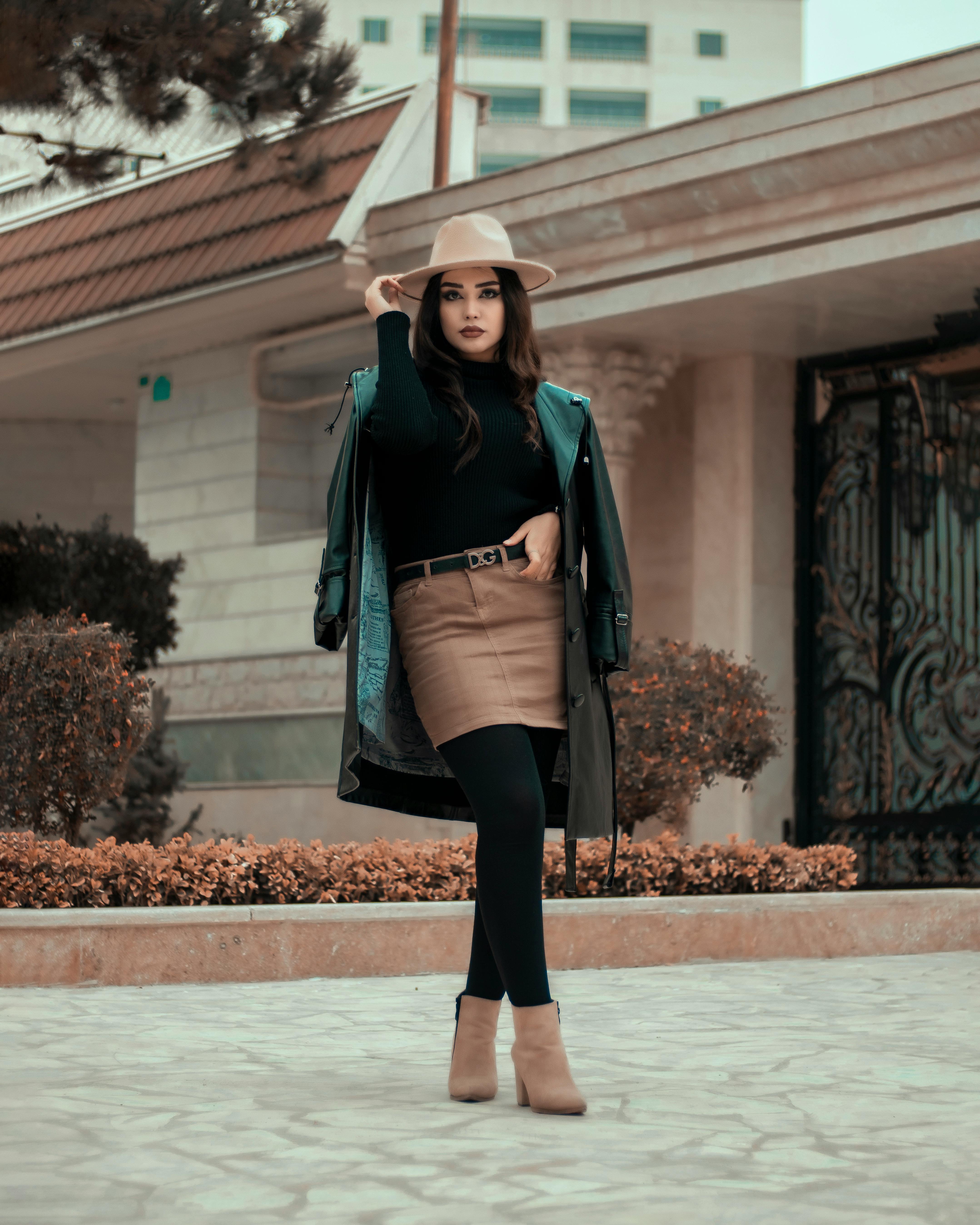
There's a persistent myth in cold-weather dressing: that staying warm means sacrificing style. That if you pile on enough layers to actually fight the elements, you'll end up looking like you borrowed clothes from someone three sizes bigger. The truth is, looking polished in cooler temperatures is less about what you wear and more about how you wear it, and the order in which you build your outfit from the skin out.
Mastering seasonal layering isn't about owning the most expensive pieces. It's about understanding proportion, fabric weight, and how different outerwear interacts with the layers beneath it. Once you internalize these principles, getting dressed in autumn or winter becomes a creative exercise rather than a daily battle.
Start Thin, Build Outward
The golden rule of layering is simple: your thinnest, most fitted pieces go closest to your body, and volume increases progressively as you move outward. Breaking this rule is almost always the reason an outfit reads as sloppy or inflated.
Start with a well-fitted base layer like a ribbed long-sleeve top, a lightweight merino turtleneck, or a simple thermal. These pieces regulate temperature without adding visual weight. Over that, you can introduce a mid-layer: a slim-cut shirt, a light cardigan, or a structured vest. The goal at this stage is insulation that doesn't interrupt your silhouette.
The mistake most people make is skipping the mid-layer altogether and jumping straight from a thick sweater to a puffy jacket. The result is a stiff, shapeless silhouette. A thinner, more thoughtful mid-layer creates visual depth without bulk, and that difference is immediately noticeable.
Outerwear Is the Anchor, So Choose It Carefully
Your outermost layer sets the tone for the entire look. It's also where most of the bulking-up happens if you choose wrong.
Structured outerwear is your best friend here. A tailored overcoat, a fitted leather jacket, or a well-cut shearling piece will always look more intentional than an oversized puffer, regardless of temperature. If you're building a cold-weather wardrobe with longevity in mind, the sheepskin coat blue option has quietly become one of the most versatile investments in contemporary outerwear. The natural insulation of sheepskin means you stay genuinely warm without the added padding that makes most winter jackets look inflated, and the rich navy tone reads as a neutral that pairs across color palettes.
The fit of your outer layer matters more than the warmth rating. A coat or jacket that skims your body rather than drowning it will always look better, move better, and complement what's underneath far more convincingly.
Proportion Is Everything
One underrated layering principle is intentional contrast in proportions. If your base and mid-layers are slim and fitted, you have more freedom with your outermost piece. Conversely, if your outerwear is oversized or structured with strong shoulders, your inner layers need to be minimal.
Think about the visual weight of your bottom half too. A tailored trouser or straight-leg jean naturally balances a heavier jacket above. Wide-leg trousers with a slim leather jacket create a fluid, modern silhouette. The mistake is wearing volume on both halves, because that's the formula for looking wrapped up rather than dressed up.
Tucking in your base or mid-layer even slightly into trousers or a skirt immediately creates a defined waistline under your outerwear. That one small adjustment prevents the outfit from reading as one large block of fabric, and it costs you nothing.
Fabrics That Work With You, Not Against You
Not all fabrics layer well. Some materials cling, bunch, or create uncomfortable friction between layers. Others sit flat, breathe naturally, and move together as a unified whole.
For base layers, merino wool and modal are genuinely unmatched. They're thin, regulate heat efficiently, and don't add visual bulk. For mid-layers, fine-knit wool, brushed cotton, or a structured denim shirt works well because these fabrics hold their shape without puffing outward.
When it comes to outerwear, leather and suede are exceptional layering companions precisely because they don't add volume. They create structure instead. A well-made leather jacket or a fitted suede coat works almost like a second skin: it adds warmth and definition without expanding your silhouette the way synthetic fill does. This is a key reason why leather outerwear has endured as a wardrobe staple for decades regardless of whatever trend is cycling through at the moment.
One thing worth avoiding is thick knitwear as a mid-layer under structured jackets. Chunky knits are for occasions where the knit itself is the statement piece. Under a jacket, they create lumps at the shoulders and restrict movement at the arms in a way that's hard to style around.
Color and Tone Discipline
One of the easiest ways to look bulky is wearing too many contrasting colors in a layered outfit. When each layer announces itself with a different bold color, the eye registers volume at every level, which reads as heavy and disjointed.
The cleaner approach is tonal dressing: building your layers within the same color family, with variation in shade and texture. Think a cream base, a camel mid-layer, and a cognac leather jacket. Or a charcoal thermal, dark grey trousers, and a black shearling coat. The outfit becomes cohesive rather than competing, and the silhouette reads as clean even with multiple layers involved.
If you want to introduce contrast or a pop of color, do it with accessories like a scarf, a bag, or shoes, rather than by making every layer a different statement. That way the color lives at the edges of the outfit, not through the middle of it.
A Practical Formula for Real Weather
Here's a real-world cold-weather formula that holds up across most occasions and temperatures:
Layer 1: Fitted merino turtleneck or long-sleeve thermal Layer 2: Slim chore coat, lightweight blazer, or structured denim shirt worn open Layer 3: Leather jacket, tailored overcoat, or structured shearling piece Bottoms: Slim or straight-leg trousers, or dark denim. Nothing too wide unless your top half is minimal Footwear: Chelsea boots, loafers, or clean leather sneakers. All of these balance proportions naturally
What makes this formula useful is that it's modular. You can strip back to Layers 1 and 2 indoors without dismantling the whole outfit. Each piece still makes sense on its own, which means you're not locked into wearing all three at once.
The Mindset Shift That Changes Everything
The real unlock in mastering seasonal layering is moving away from the idea that warmth and style are competing priorities. They genuinely aren't. The most well-dressed people in seriously cold climates like Copenhagen, Montreal, and Tokyo in winter prove this every single day. They treat cold weather as an opportunity to show range, texture, and intentionality rather than a logistical problem to solve with the bulkiest coat available.
Invest in fewer, better outerwear pieces. Understand how proportions stack. Keep your inner layers thin and your outer layer structured. The result is an outfit that looks considered and deliberate, not like it was thrown together by someone who just didn't want to be cold.
Ready to start building a layering-ready wardrobe? Begin by identifying the one outerwear piece that can anchor multiple outfits across the season and invest in quality over quantity. The right jacket doesn't just keep you warm. It does the heavy lifting for your entire look, and that's worth getting right.
 English
Join our community to interact with posts!