
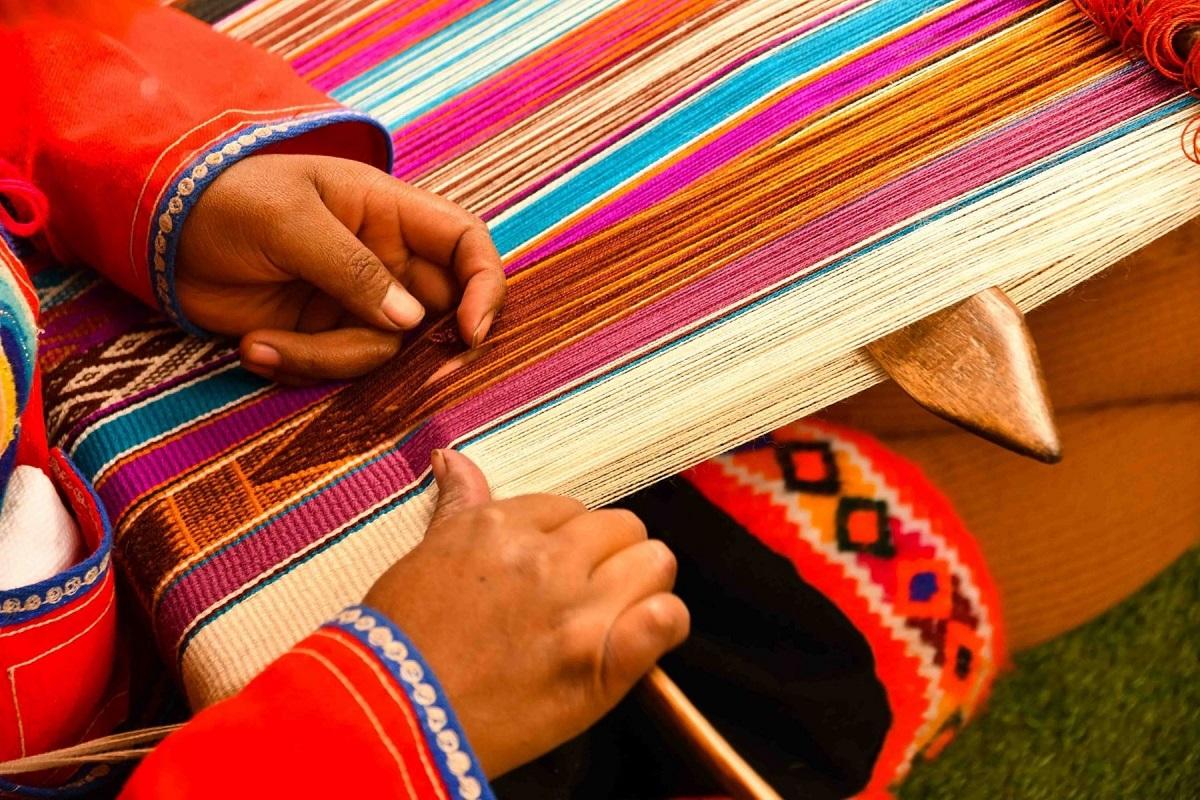
In a world where mass production dominates almost every industry, handmade textiles still hold a special place. They are not just fabrics; they are stories woven with patience, skill, and cultural heritage. Every thread reflects the hands of an artisan, the traditions of a community, and the creativity passed down through generations. When you bring handmade textiles into your home, you are not just decorating a space—you are preserving a legacy.
The Timeless Appeal of Handmade Textiles
Handmade textiles have existed for centuries, long before machines took over fabric production. What makes them so appealing is their individuality. No two pieces are the same. Even if the design is similar, small variations in weave, dye, or embroidery make each piece unique.
This uniqueness is something modern consumers are increasingly drawn to. In a fast-paced world filled with identical products, people are looking for something that feels personal and meaningful. Handmade textiles offer exactly that.
Whether it is a handwoven rug, an embroidered cushion cover, or a naturally dyed table runner, each piece carries a sense of identity. It reflects not just the maker’s skill, but also the cultural roots from which it comes.
Tradition Woven Into Every Thread
One of the most beautiful aspects of handmade textiles is their deep connection to tradition. Many of these techniques have been passed down through families for generations. From intricate weaving patterns in South Asia to delicate embroidery styles in the Middle East and hand-dyeing techniques in Africa and Latin America, each region has its own story to tell.
These traditions are not just about aesthetics—they are about survival, identity, and pride. In many communities, textile making is more than a craft; it is a way of life. Artisans learn the skill at a young age and spend years mastering it.
When you buy handmade textiles, you are indirectly supporting these traditions. You are helping keep ancient techniques alive in a modern world that often overlooks them.
The Art of Craftsmanship
What sets handmade textiles apart is the level of craftsmanship involved. Unlike machine-made fabrics, which are produced quickly and in large quantities, handmade textiles require time, effort, and precision.
A single piece can take days, weeks, or even months to complete, depending on its complexity. Every step—from spinning the yarn to dyeing, weaving, or stitching—is done carefully by hand. This slow process ensures attention to detail and a level of quality that machines often cannot replicate.
The human touch is visible in every detail. Slight imperfections are not flaws; they are proof of authenticity. They remind us that a real person created the piece, not a machine.
Elegance That Transforms Spaces
Handmade textiles are not just culturally significant—they are also incredibly elegant. They have the power to transform any space, whether traditional or modern.
A simple living room can instantly feel warmer and more inviting with a handwoven rug. A plain sofa becomes stylish with embroidered cushions. Even a dining table feels more refined with a handcrafted table runner.
What makes them so versatile is their ability to blend with different interior styles. Whether your home is minimalist, rustic, bohemian, or contemporary, handmade textiles can complement and enhance the overall aesthetic.
They bring texture, color, and depth into spaces that might otherwise feel flat or impersonal.
Sustainability and Ethical Value
In recent years, sustainability has become an important factor in purchasing decisions. Handmade textiles naturally align with this shift.
Most handmade fabrics are produced using natural materials such as cotton, wool, silk, or linen. Many artisans also use natural dyes derived from plants, minerals, or other organic sources. This reduces environmental impact compared to synthetic, mass-produced textiles.
In addition, handmade textile production typically consumes less energy and generates less waste. Since each piece is made in small quantities, there is no overproduction or unnecessary stockpiling.
Beyond environmental benefits, there is also an ethical dimension. Buying handmade supports fair wages and helps sustain artisan communities. It empowers skilled workers who rely on their craft for a livelihood.
Types of Handmade Textiles You Can Explore
The world of handmade textiles is incredibly diverse. Some of the most popular types include:
- Handwoven Fabrics: Created on traditional looms, often used for clothing, upholstery, and décor
- Embroidered Textiles: Decorated with hand-stitched patterns and designs
- Block-Printed Fabrics: Made using carved wooden blocks dipped in dye
- Hand-Dyed Textiles: Created using techniques like tie-dye, batik, or natural dyeing
- Knitted and Crocheted Pieces: Often used for blankets, throws, and winter wear
Each type carries its own charm and cultural background, making every piece a form of artistic expression.
How to Style Handmade Textiles in Your Home
Incorporating handmade textiles into your home is easier than many people think. You don’t need to redesign your entire space—small touches can make a big difference.
Start with cushions or throws in your living room. Add a handwoven rug to anchor the space. In the dining area, use a handcrafted table runner or placemats to create a warm, welcoming feel.
You can also mix handmade textiles with modern furniture. The contrast between traditional craftsmanship and contemporary design often creates a striking visual balance.
The key is not to overdo it. Let each handmade piece stand out on its own.
Caring for Handmade Textiles
Because handmade textiles are often delicate, they require gentle care. Always follow the washing instructions provided by the maker if available. In general, hand washing with mild detergent is safer than machine washing.
Avoid exposing them to direct sunlight for long periods, as natural dyes may fade over time. Store them in dry, clean spaces when not in use, and fold them carefully to avoid damage.
With proper care, handmade textiles can last for many years and even be passed down through generations.
Conclusion
Handmade textiles are much more than decorative items. They are a beautiful combination of tradition, craftsmanship, and elegance. Each piece carries a story—of the artisan who created it, the culture it represents, and the skill it took to bring it to life.
 English
Join our community to interact with posts!