
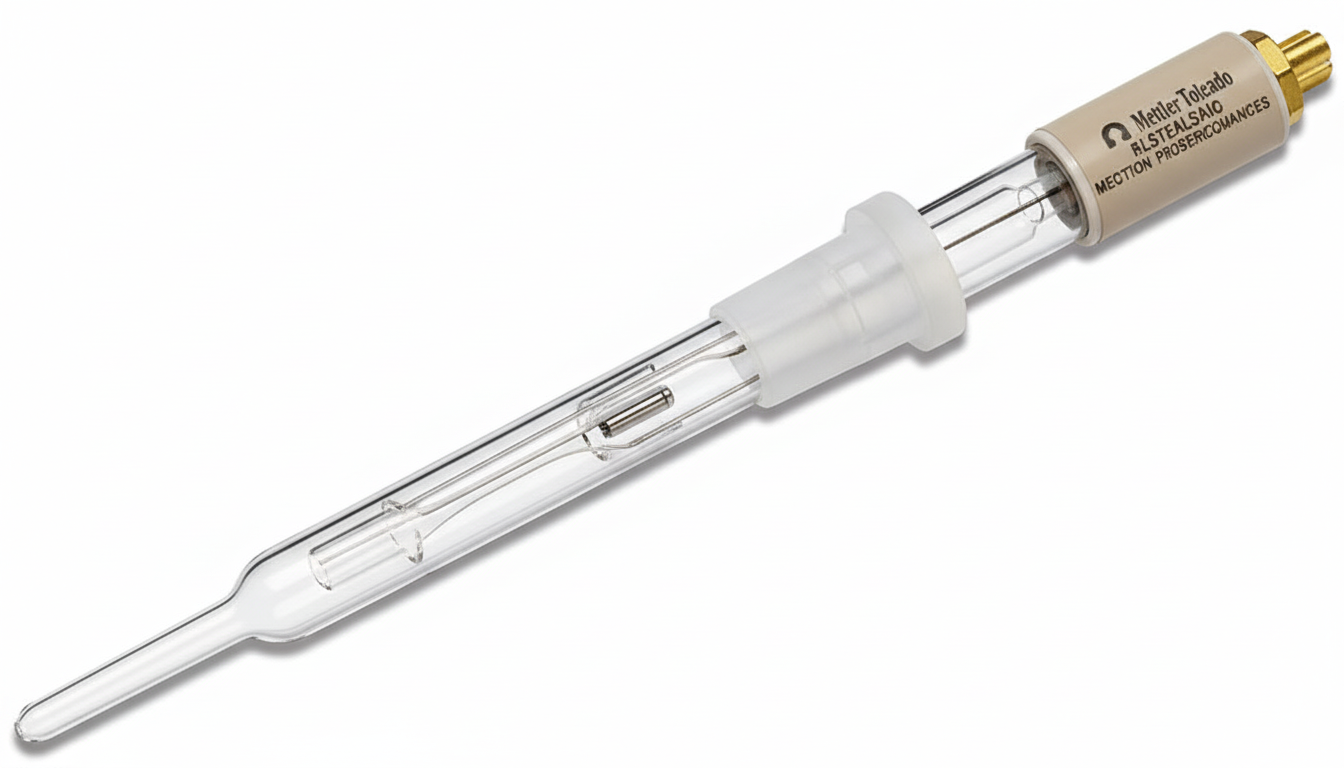
The R501 Reference Electrode is an important component in electrochemical systems used to provide a stable and known reference potential. It plays a critical role in experiments where accurate and consistent voltage measurements are required. In electrochemistry, having a reliable reference point is essential for comparing electrode potentials, studying reactions, and ensuring reproducibility of results.
The R501 Reference Electrode is widely used in laboratories, research facilities, and industrial testing environments due to its stability, durability, and precision. It is designed to maintain a constant potential regardless of the current passing through the system, making it a key tool in electrochemical analysis.
What is an R501 Reference Electrode?
An R501 Reference Electrode is a specialized electrode used as a baseline for measuring the potential of other electrodes in an electrochemical cell. Unlike working electrodes, it does not participate in the chemical reaction. Instead, it provides a stable and known voltage against which other potentials are measured.
The R501 type is engineered for high stability and low drift, which ensures accurate readings over extended periods. It is commonly used in aqueous solutions and corrosion testing systems.
Working Principle
The working principle of the R501 Reference Electrode is based on a stable redox reaction occurring within the electrode system. This reaction maintains a constant electrochemical potential.
When placed in an electrolyte solution, the reference electrode establishes a fixed potential. The potential difference between the reference electrode and the working electrode is measured to determine electrochemical behavior.
Because the internal chemistry of the R501 is carefully controlled, it does not change easily with variations in the external environment, making it highly reliable for precise measurements.
Construction and Design
The R501 Reference Electrode typically consists of the following components:
- Internal reference element
- Electrolyte solution
- Porous junction or salt bridge
- Protective housing
The porous junction allows ionic contact between the internal electrolyte and the test solution while preventing contamination. The housing is designed to protect the internal components and ensure long-term stability.
The materials used in construction are selected for chemical resistance and minimal interference with the electrochemical system.
Key Features
The R501 Reference Electrode offers several important features:
- High stability of reference potential
- Low drift over long-term use
- Strong resistance to contamination
- Compatible with various electrochemical systems
- Reliable performance in laboratory and field conditions
These features make it suitable for precise scientific measurements and industrial applications.
Applications
The R501 Reference Electrode is used in a wide range of applications, including:
Corrosion Testing
It is commonly used in corrosion studies to measure the potential of metals in different environments. This helps in understanding material degradation and protection methods.
Electrochemical Research
Researchers use it to study reaction mechanisms, electrode kinetics, and redox behavior in various chemical systems.
Industrial Monitoring
In industries such as oil, gas, and water treatment, the R501 is used for monitoring electrochemical processes and ensuring system stability.
Battery Testing
It is also used in battery development and testing to measure electrode potentials and evaluate performance.
Advantages
The R501 Reference Electrode provides several advantages:
- Accurate and repeatable measurements
- Long operational life
- Minimal maintenance requirements
- High compatibility with different setups
- Consistent performance under varying conditions
These advantages make it a preferred choice in both academic and industrial environments.
Limitations
Despite its benefits, the R501 Reference Electrode has some limitations:
- Requires proper storage to maintain accuracy
- Can be affected by extreme contamination if not handled properly
- Needs periodic calibration in high-precision applications
Understanding these limitations helps in maintaining its performance over time.
Maintenance and Care
Proper maintenance of the R501 Reference Electrode is essential for ensuring accurate results. It should be stored in appropriate storage solution when not in use. The porous junction should be kept clean to avoid blockage.
Regular inspection and calibration checks are recommended in laboratory environments where high accuracy is required. Avoiding exposure to harsh chemicals also extends the lifespan of the electrode.
Importance in Electrochemical Studies
The R501 Reference Electrode is a cornerstone of electrochemical research. Without a stable reference point, it would be impossible to measure electrode potentials accurately. It ensures that data collected from experiments is reliable and comparable across different studies.
Its role is especially important in corrosion science, where small changes in potential can indicate significant material behavior changes.
Conclusion
The R501 Reference Electrode is an essential tool in electrochemistry, offering stability, accuracy, and reliability. Its wide range of applications in research, industry, and testing makes it highly valuable. With proper care and usage, it provides consistent performance and supports precise scientific measurements.
 English
Join our community to interact with posts!