
Orthodontists often emphasize one critical message after braces or aligners: your treatment is not complete without retainers. While braces straighten teeth, retainers ensure those results last a lifetime. Yet many patients underestimate their importance or misunderstand how they work.
This comprehensive guide explains everything orthodontists want you to know about Teeth Retainers in Dubai—how they function, why they matter, and how to use them correctly for long-term smile stability.
Why Orthodontists Emphasize Retainers After Treatment?
From a clinical perspective, orthodontic treatment does not end when braces come off. At that stage, your teeth are newly positioned but not yet stable.
Orthodontists recommend retainers because the supporting bone and periodontal ligaments need time to reorganize. Without retention, teeth naturally drift back toward their original alignment, a process known as orthodontic relapse.
This biological tendency makes retainers essential, not optional.
The Science Orthodontists Rely On for Retention:
Orthodontists understand that teeth are supported by dynamic tissues, not fixed structures. When teeth are moved, the surrounding bone undergoes remodeling through coordinated cellular activity.
Osteoclasts break down bone in areas of pressure, while osteoblasts rebuild it in areas of tension. This process takes time, even after braces are removed.
Retainers maintain stability during this healing phase, allowing the bone to fully adapt and secure the new tooth positions.
Types of Teeth Retainers Recommended by Orthodontists:
Orthodontists typically recommend retainers based on individual treatment complexity, lifestyle, and risk of relapse.
Removable retainers, such as clear aligner-style trays, are commonly used for their convenience and aesthetics. They provide full-arch coverage and are easy to clean.
Hawley retainers, made from acrylic and metal wire, are valued for durability and long-term adjustability. They are often recommended for patients needing fine-tuned retention.
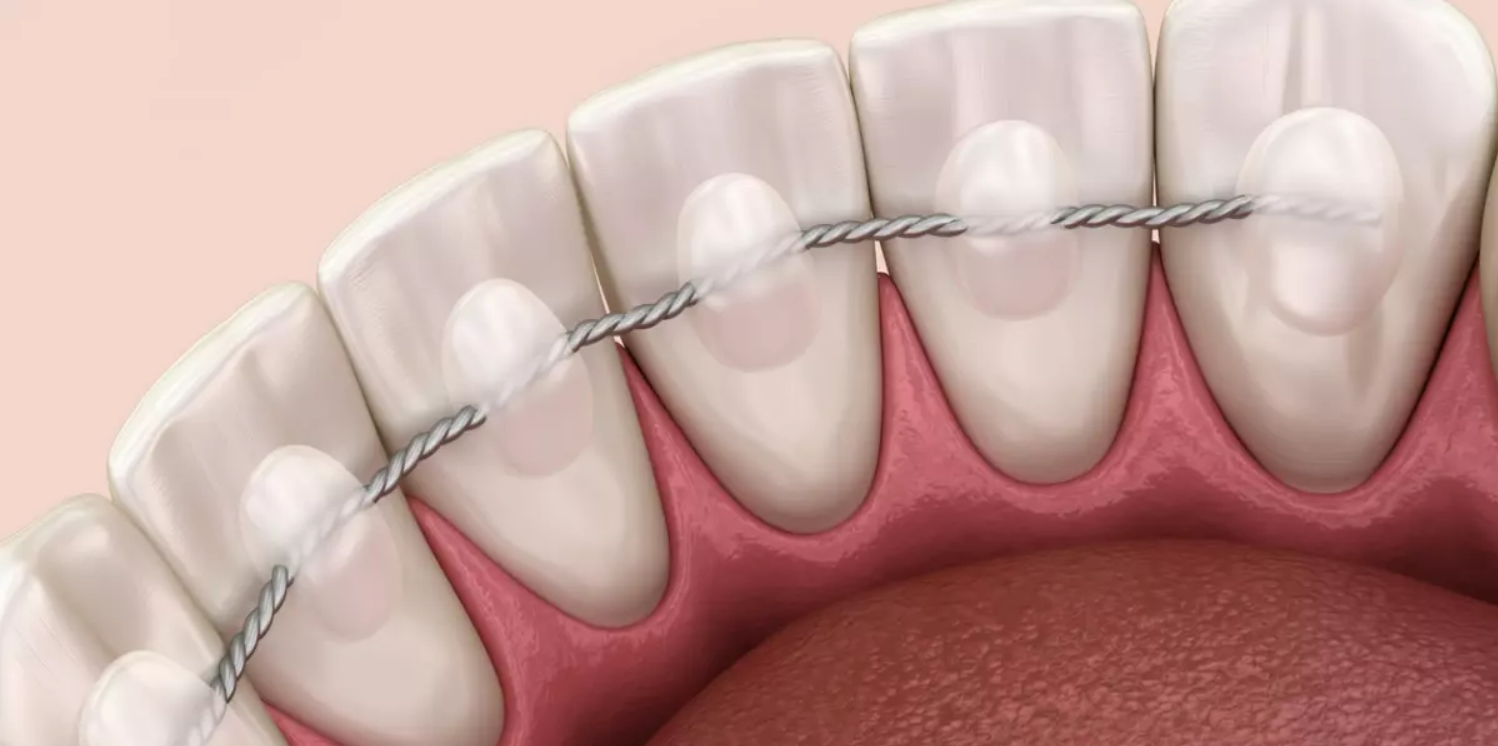
Fixed retainers are bonded to the back of teeth and offer continuous protection against shifting. Orthodontists often prescribe them for high-risk cases or lower front teeth where relapse is common.
What Orthodontists Say About Wear Time?
One of the most important instructions orthodontists give is related to wear time. Immediately after treatment, full-time wear is usually required—often 20 to 22 hours per day.
As stability increases, patients transition to nighttime wear. However, orthodontists frequently stress that retention is long-term, often lifelong at night.
This recommendation is based on long-term clinical evidence showing that teeth continue to shift subtly throughout life.
Why Teeth Naturally Move Even After Treatment?
Orthodontists often explain that teeth are never completely static. Even after successful treatment, several forces continue to act on them.
The periodontal ligament retains a “memory” of previous positions, gently pulling teeth back. Daily habits like chewing, tongue pressure, and jaw movement also contribute to micro-shifts.
Additionally, aging causes gradual changes in bone density and facial structure, which can influence alignment over time.
Retainers counteract all these forces.
What Happens If Patients Skip Retainer Use?
Orthodontists frequently see relapse cases caused by inconsistent retainer use. Even short gaps in wear time can allow teeth to shift.
Initially, patients may notice tightness when reinserting their retainer. This indicates early movement has already occurred.
If ignored, this movement can become permanent, requiring additional orthodontic treatment to correct.
This is why orthodontists strongly emphasize consistency over convenience.
Retainer Care Advice from Orthodontic Experts:
Proper maintenance is a key part of orthodontic guidance. Retainers should be cleaned daily using a soft toothbrush and mild cleanser to prevent plaque buildup and odor.
Orthodontists advise against hot water, as it can distort plastic retainers. Harsh chemicals like bleach or alcohol should also be avoided.
Storage is equally important. Retainers should always be kept in a protective case to prevent loss or damage.
Common Mistakes Orthodontists See in Patients:
Orthodontists often report predictable mistakes that reduce retainer effectiveness.
One major issue is inconsistent wear, especially after the first few months. Another is poor hygiene, which can lead to bacterial buildup and gum irritation.
Patients also frequently damage retainers by exposing them to heat or wrapping them in tissue, leading to accidental disposal.
Avoiding these mistakes is crucial for long-term success.
How Orthodontists Monitor Retainer Effectiveness?
Regular dental checkups allow orthodontists to ensure retainers are functioning properly. During these visits, they assess fit, wear patterns, and signs of tooth movement.
If a retainer no longer fits correctly, it may indicate early relapse or material deformation. In such cases, orthodontists may adjust or replace the appliance.
This monitoring process helps maintain long-term stability.
The Role of Retainers in Preventing Orthodontic Relapse:
Orthodontists define relapse as the gradual return of teeth toward their original positions. This is one of the most common post-treatment challenges.
Retainers are the only reliable method to prevent this movement. They stabilize teeth during the critical post-treatment phase and continue to support alignment throughout life.
Without retainers, even perfectly aligned smiles can deteriorate over time.
Long-Term Retention: What Orthodontists Really Recommend
Modern orthodontic practice has shifted toward long-term retention strategies. Many orthodontists now recommend nighttime retainer use indefinitely.
This approach is based on the understanding that teeth continue to experience minor movement throughout life due to biological and functional changes.
Long-term retention ensures that orthodontic results remain stable, even decades after treatment.
How Lifestyle Affects Retainer Success?
Orthodontists also consider lifestyle factors when advising patients. Habits such as teeth grinding, nail biting, or poor oral hygiene can increase the risk of shifting.
Diet and oral care routines also play a role. Maintaining healthy gums and teeth helps support stable alignment.
Patients who follow consistent routines tend to experience better long-term results.
Psychological Benefits Orthodontists Often Highlight:
Beyond physical alignment, orthodontists recognize the psychological benefits of retainers. A stable smile boosts confidence and reduces anxiety about relapse.
Patients feel more secure knowing their orthodontic results are protected. This contributes to improved self-esteem and social confidence.
These benefits reinforce the importance of long-term compliance.
Final Thoughts: What Orthodontists Want You to Remember
If there is one message orthodontists consistently emphasize, it is this: braces straighten your teeth, but retainers keep them straight.
Teeth Retainers are not temporary accessories—they are lifelong tools for maintaining orthodontic success. They prevent relapse, support oral health, and preserve the investment made in your smile.
By following orthodontic guidance, maintaining proper care, and wearing retainers consistently, you ensure that your smile remains healthy, stable, and confident for years to come.
 English
Join our community to interact with posts!