
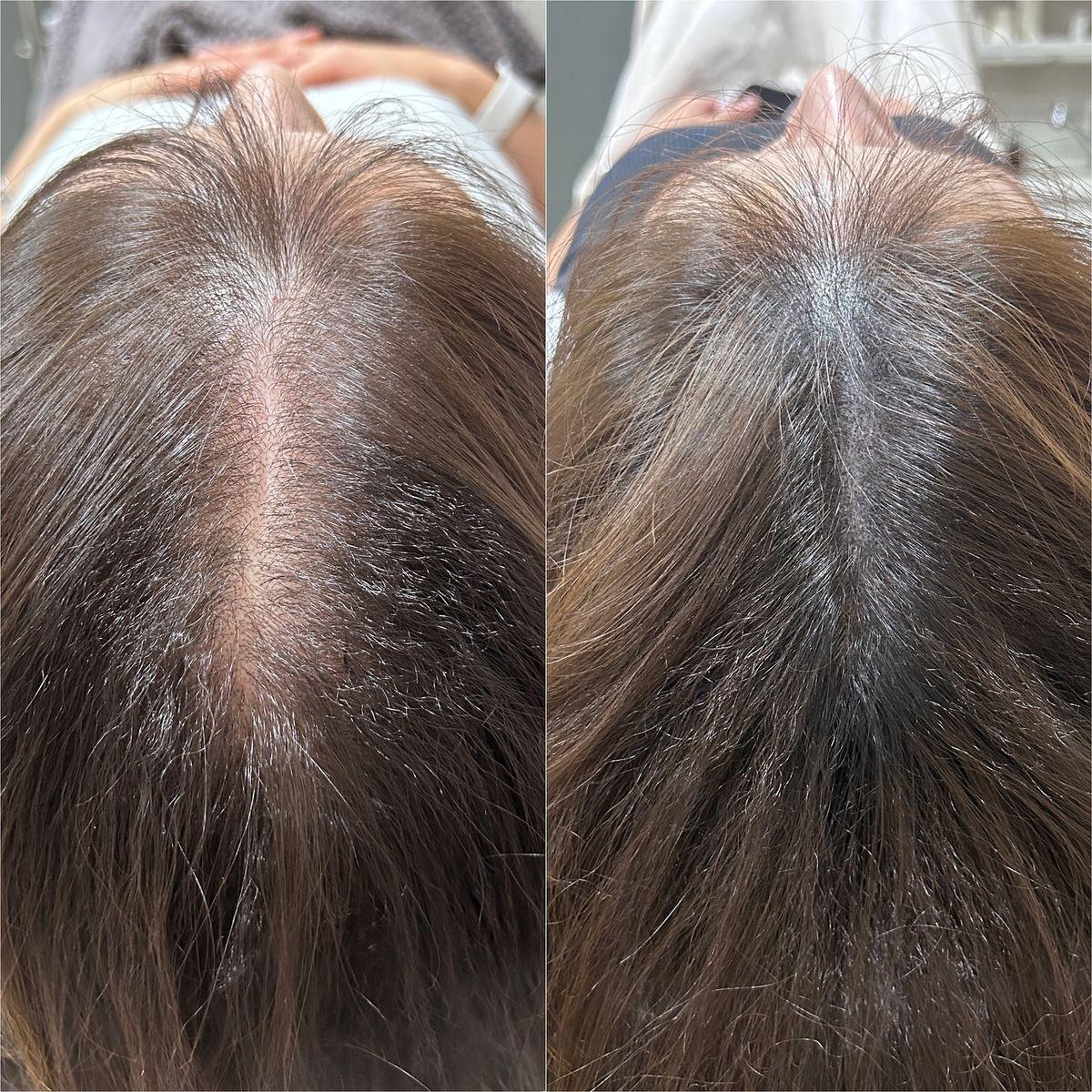
Choosing the right surgical approach is a pivotal step in the hair restoration journey. As technology evolves, patients seeking a Hair Transplant in Dubai are often presented with two primary micro-surgical options: Follicular Unit Extraction (FUE) and Direct Hair Implantation (DHI). While both methods fall under the umbrella of modern, minimally invasive restoration, they differ in their technical execution, equipment, and clinical applications. Understanding these nuances is essential for selecting the method that aligns with your hair loss pattern, desired density, and recovery goals.
What is Hair Transplant in Dubai
In the 2026 medical landscape, hair restoration is defined by high-precision graft management. A Hair Transplant in Dubai involves the relocation of terminal follicles from a stable donor zone to a recipient area. The core difference between the two dominant techniques lies in the implantation phase. FUE involves a three-step process: extraction, canal creation (incisions), and placement. DHI, a technical evolution of FUE, combines the last two steps into one using a specialized tool, allowing for a more streamlined and direct approach to scalp reconstruction.
The Mechanism of Follicular Unit Extraction (FUE)
FUE is the global standard for hair restoration due to its versatility and efficiency. During an FUE session, individual follicular units are harvested using a motorized micro-punch tool, typically 0.7mm to 0.9mm in diameter. Once extracted, the surgeon manually creates tiny recipient "canals" or incisions in the balding area using steel or Sapphire blades. The grafts are then placed into these canals. In our clinical experience, FUE is exceptionally effective for treating large areas of baldness, as it allows for the rapid placement of thousands of grafts in a single surgical session.
The Mechanism of Direct Hair Implantation (DHI)
DHI is often preferred for precision work and high-density hairline reconstruction. Unlike standard FUE, DHI utilizes a "Choi Implanter Pen." The extracted follicle is loaded into the pen, which then creates the site and implants the graft simultaneously. This "one-step" method significantly reduces the time the follicle spends outside the body—often referred to as ischemia time. In our clinical experience, this direct transfer can enhance graft survival rates and allows for extreme control over the angle and direction of each hair, resulting in a remarkably natural finish.
Comparing the Purpose and Clinical Goals
Both techniques aim to provide a permanent solution to thinning, but they are used strategically based on the patient's needs. A Hair Transplant in Dubai utilizing FUE is often the goal for patients requiring maximum coverage across multiple zones (e.g., the front and the crown). DHI is frequently the choice for patients who want to increase density between existing hairs without a full shave, or for those focusing specifically on a soft, high-definition hairline. The purpose of having both options is to provide a bespoke treatment plan that respects the patient's unique biological constraints.
Key Advantages of FUE vs. DHI
Each method offers specific clinical benefits that cater to different lifestyle and aesthetic requirements.
-
FUE Advantages:
-
Versatility: Ideal for covering extensive baldness (3,000+ grafts).
-
Efficiency: Generally a faster procedure for large-scale restorations.
-
Cost-Effectiveness: Typically more accessible due to shorter surgical times.
-
-
DHI Advantages:
-
Reduced Trauma: No pre-cut incisions mean less bleeding and faster tissue healing.
-
Higher Density: The fine tip of the implanter pen allows grafts to be placed closer together.
-
Precision: Absolute control over the 360-degree angle of the hair growth.
-
"No-Shave" Options: More feasible for patients who wish to keep their existing hair long during the procedure.
-
Ideal Candidates for Each Technique
Determining the right technique requires a trichological assessment of the donor hair and the recipient skin. In our clinical experience, candidates with advanced stages of alopecia often see the best value in FUE, as it maximizes the "bank" of donor hair over a large area. Conversely, DHI is often the "ideal" choice for younger patients with early-stage thinning or those looking for beard and eyebrow restoration, where the direction of growth is the most critical aesthetic factor. The surgeon evaluates the scalp's elasticity and hair caliber to determine which tool will yield the highest graft survival.
The Procedure: Technical Differences in the Room
While the patient experience is similar—both performed under local anesthesia—the workflow inside the surgical suite differs. In an FUE session, there is a distinct "incisions phase" where the surgeon maps out the entire recipient area before any grafts are placed. In a DHI session, the extraction and implantation often happen in a more synchronized, continuous loop. The DHI process is more labor-intensive and requires a larger specialized team to load the implanter pens rapidly, ensuring that the live tissue is returned to the scalp as quickly as possible.
Target Zones for FUE and DHI Strategies
Clinicians often use a "hybrid" approach, applying the strengths of each technique to different zones of the scalp during a Hair Transplant in Dubai.
Factors That Determine Technique and Cost
The investment for a Hair Transplant in Dubai is influenced by the choice of technology. DHI is generally the more expensive option because it requires specialized single-use implanter pens and a longer surgical duration for the same number of grafts. FUE cost is determined largely by the graft count and the use of premium tools like Sapphire blades. When planning your restoration, the clinical team weighs the technical complexity of your hair type—such as very curly hair, which may favor one tool over another—against your aesthetic goals to provide a transparent and effective cost breakdown.
Recovery Expectations and Growth Timelines
Recovery timelines are remarkably similar for both techniques, though DHI patients often report slightly less swelling and a faster return to a "normal" scalp appearance. In both cases, the first 14 days are the most critical for graft anchoring. By day 10, scabs have usually resolved. The "shedding phase" occurs at one month, followed by the emergence of new hair at month four. Regardless of the technique, the final maturation of the hair texture and density is achieved between 10 and 12 months, providing a lifetime of natural-looking growth.
Safety Standards in Modern Restoration
Safety is maintained through strict clinical protocols, regardless of the method chosen. By performing the procedure in a sterile environment and using high-magnification loops, surgeons protect the integrity of both the donor and recipient sites. Temporary side effects such as minor numbness or redness are common to both FUE and DHI and typically resolve within a week. In our clinical experience, providing patients with a comprehensive aftercare kit and 24/7 access to the surgical team is the best way to ensure a safe and successful recovery.
Long-Term Success and Maintenance
The longevity of your Hair Transplant in Dubai depends on the permanent nature of the follicles moved. Whether you choose FUE or DHI, the transplanted hair is genetically resistant to balding. To maintain the surrounding native hair, a holistic approach is recommended, including nutritional support and potentially supportive therapies like PRP. Regular follow-ups allow the clinical team to monitor the density and ensure the scalp remains a healthy environment for the newly integrated follicles to flourish for decades.
Conclusion
Both FUE and DHI represent the height of modern restorative science, offering safe and effective ways to combat hair loss. The choice between them is not about "better" or "worse," but about which tool is the right fit for your unique scalp. At Tajmeels Clinic, we pride ourselves on a personalized approach, helping you navigate these technical choices to find the path that leads to your most confident self. By combining clinical expertise with an artistic eye, we ensure that your restoration is not just a medical procedure, but a transformative milestone in your life.
 English
Join our community to interact with posts!