
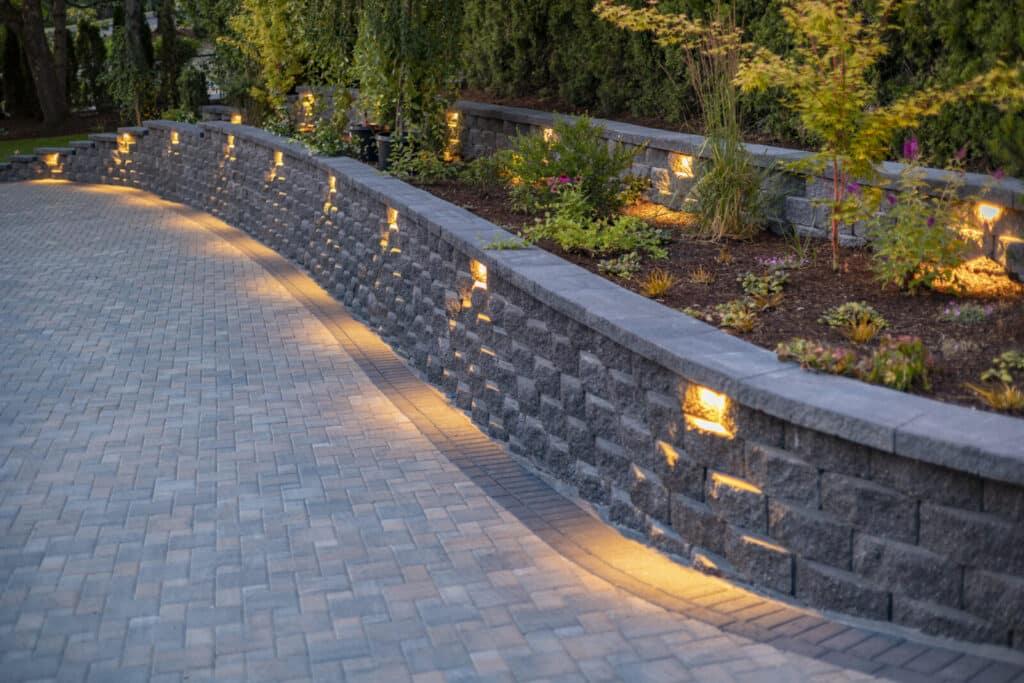
Choosing the right retaining wall blocks in Harrisburg, PA, is essential for building a durable, functional, and visually appealing structure. Whether you’re managing soil erosion, improving drainage, or enhancing your landscape, the right materials and design can make a significant difference. This guide will walk you through the key factors to consider so you can make an informed decision.
Understand the Purpose of Your Retaining Wall
Before selecting retaining wall blocks, it’s important to identify the primary purpose of your wall. Are you trying to prevent soil erosion, create a level surface, or add decorative appeal to your yard? In Harrisburg, PA, many homeowners use retaining walls to manage sloped landscapes and control water runoff due to seasonal weather changes.
For structural walls that hold back heavy soil, you’ll need strong and durable blocks. For decorative purposes, lighter and more aesthetic options may be sufficient. Understanding your goal helps narrow down the best type of retaining wall blocks.
Consider the Material Options
Retaining wall blocks come in a variety of materials, each offering different benefits. Concrete blocks are among the most popular choices due to their strength, durability, and affordability. They are ideal for both residential and commercial applications.
Natural stone blocks, on the other hand, provide a timeless and elegant appearance. While they may be more expensive, they offer unmatched beauty and can increase property value. Brick blocks are another option, often chosen for their classic look, though they may not be as strong as concrete for large retaining walls.
In Harrisburg’s climate, it’s crucial to choose materials that can withstand freeze-thaw cycles without cracking or shifting.
Evaluate Block Size and Shape
The size and shape of retaining wall blocks play a major role in both installation and overall stability. Larger blocks are typically used for taller walls because they provide better support and require fewer joints. Smaller blocks are easier to handle and are ideal for DIY projects or smaller garden walls.
Some blocks are designed with interlocking systems, which make installation easier and enhance structural integrity. These are especially useful for homeowners in Harrisburg, PA, who want a reliable and long-lasting solution without complicated construction methods.
Check Drainage Capabilities
Proper drainage is critical when building a retaining wall. Without it, water pressure can build up behind the wall, leading to cracks or even collapse. When choosing retaining wall blocks, look for designs that allow water to pass through or include built-in drainage features.
You should also plan to use gravel, perforated pipes, or drainage systems behind the wall. This is particularly important in Harrisburg, where rainfall and seasonal weather changes can impact soil moisture levels.
Assess Load-Bearing Requirements
Not all retaining walls are created equal. Some are designed to hold back light landscaping, while others must support heavy loads such as driveways or large slopes. Make sure the blocks you choose are rated for the load they will carry.
For taller or load-bearing walls, it may be necessary to consult a professional contractor or engineer. They can help determine the correct block type, reinforcement methods, and installation techniques to ensure safety and durability.
Match the Design with Your Landscape
A retaining wall should complement your property’s overall look. Retaining wall blocks come in a wide range of colors, textures, and finishes, allowing you to match them with your home’s exterior and landscape design.
In Harrisburg, PA, many homeowners prefer natural tones that blend with the environment. Textured concrete blocks that mimic stone are a popular choice because they offer both durability and aesthetic appeal.
Consider how the wall will look over time and choose a style that enhances your outdoor space while maintaining its value.
Consider the installation method.
Another important factor is whether you plan to install the retaining wall yourself or hire a professional. Some retaining wall blocks are designed for easy DIY installation, featuring lightweight materials and interlocking systems.
However, for larger or more complex projects, professional installation is recommended. Contractors in Harrisburg, PA, have the experience and equipment needed to ensure proper foundation preparation, alignment, and drainage.
Improper installation can lead to costly repairs, so it’s important to choose blocks that match your skill level and project scope.
Review Cost and Budget
Budget is always a key consideration when choosing retaining wall blocks. Costs can vary depending on the material, size, and quality of the blocks, as well as installation expenses.
Concrete blocks are generally the most cost-effective option, while natural stone tends to be more expensive. Keep in mind that investing in higher-quality materials can save money in the long run by reducing maintenance and repair costs.
In Harrisburg, PA, it’s a good idea to get multiple quotes from suppliers and contractors to find the best value for your project.
Check Local Regulations and Permits
Before starting your project, make sure to check local building codes and permit requirements in Harrisburg, PA. Some retaining walls, especially those over a certain height, may require permits or professional design approval.
Following local regulations ensures your project is safe and compliant, preventing potential legal issues or fines. It also helps guarantee that your retaining wall meets structural and safety standards.
Focus on Long-Term Maintenance
Finally, consider the long-term maintenance requirements of your retaining wall blocks. Some materials require more upkeep than others. For example, natural stone may need occasional sealing, while concrete blocks are generally low-maintenance.
Choose materials that fit your lifestyle and maintenance preferences. A well-built retaining wall using quality blocks can last for decades with minimal upkeep, making it a worthwhile investment for your property.
Conclusion
Choosing the right retaining wall blocks in Harrisburg, PA, involves more than just picking a style you like. You need to consider factors such as purpose, material, size, drainage, load capacity, and budget. By taking the time to evaluate these elements, you can build a retaining wall that is both functional and visually appealing.
Whether you’re tackling a small landscaping project or a large structural wall, the right choice of blocks will ensure long-lasting performance and enhance the value of your property.
 English
Join our community to interact with posts!