
A full blood test is one of the most common medical investigations, yet many people feel uncertain or anxious before undergoing it. This usually happens because they do not know what the process actually involves.
Understanding what to expect during a Full Blood Test in Dubai helps reduce fear, improves preparation, and ensures a smoother experience. A complete blood test is a simple, quick, and safe procedure, but knowing each step makes it even easier to manage.
What a Full Blood Test Includes Before the Procedure Begins?
A full blood test, also known as a complete blood panel or full body blood checkup, includes multiple diagnostic evaluations performed on a single blood sample. These typically involve a complete blood count, lipid profile, blood glucose testing, liver function tests, kidney function analysis, and sometimes vitamin level assessments.
Before the procedure begins, your doctor or healthcare provider decides which tests are needed based on your health condition, symptoms, or routine checkup requirements. This ensures that the sample collected will provide all necessary information for accurate diagnosis.
Arriving at the Clinic or Laboratory:
The first stage of the procedure is arriving at the medical facility. You will usually be asked to register your details and confirm the tests that have been prescribed.
This step ensures that your sample is correctly labeled and matched with your medical records. You may also be asked about fasting status, current medications, or recent health changes, as these factors can affect test results.
Basic Health Verification and Preparation:
Before the blood draw, a healthcare professional may verify your identity and confirm preparation instructions such as fasting. Fasting is often required for tests involving blood sugar and cholesterol levels.
If you have not followed fasting instructions, you should inform the staff, as it may affect certain test results. This step ensures accuracy and prevents misleading readings caused by food or drink intake.
Sitting Comfortably for the Procedure:
Once you are ready, you will be asked to sit or lie down in a comfortable position. The healthcare professional will usually select a vein in your arm, most commonly near the elbow area, for blood collection.
Relaxing your arm helps make the vein more visible and easier to access, reducing discomfort during the procedure.
Cleaning and Sterilization of the Area:
Before inserting the needle, the skin area is cleaned using an antiseptic solution. This step is essential for preventing infection and maintaining hygiene standards.
Sterile equipment is always used in a full blood test procedure, ensuring that the process is safe and free from contamination risks.
Blood Sample Collection Process:
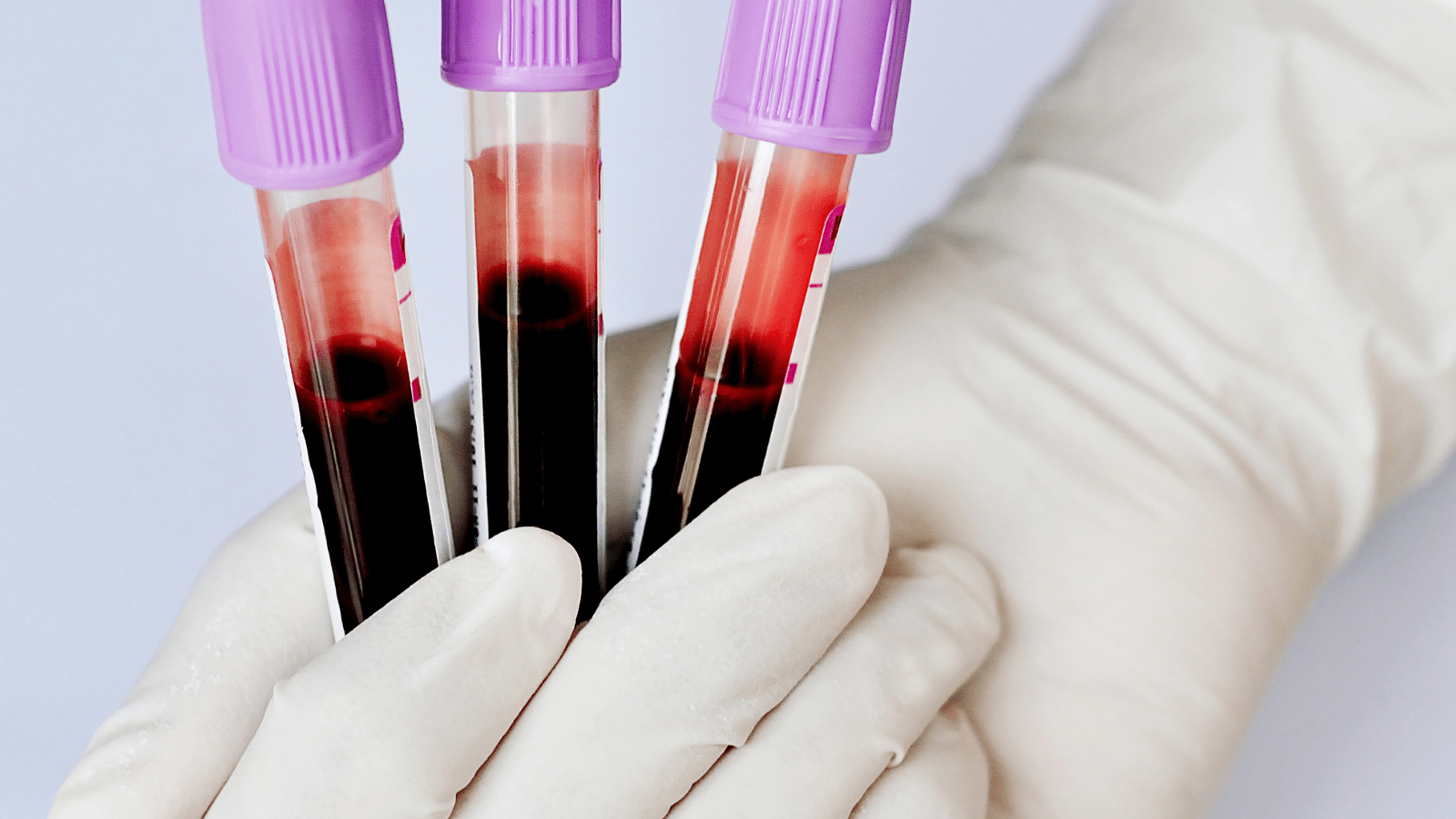
A small needle is gently inserted into the vein to collect blood into labeled tubes. The process usually takes only a few minutes. You may feel a brief pinch or mild pressure, but the discomfort is minimal and short-lived.
The amount of blood collected depends on the number of tests being performed, but it is generally small and safe for the body.
Managing Discomfort and Staying Calm:
Some people may feel lightheaded or anxious during blood collection, especially if they are nervous about needles. Healthcare professionals are trained to handle such situations and may ask you to look away, breathe slowly, or stay seated until you feel comfortable.
Remaining calm and relaxed helps make the procedure easier and can reduce any temporary discomfort.
After the Blood Is Drawn:
Once the blood sample is collected, the needle is removed, and a small cotton pad or bandage is applied to the area. You may be asked to apply gentle pressure for a few seconds to prevent minor bleeding or bruising.
In most cases, you can resume normal activities immediately after the procedure.
Sample Labeling and Laboratory Processing:
After collection, your blood sample is carefully labeled and sent to the laboratory for analysis. Proper labeling ensures that your results are accurately matched to your medical file.
In the laboratory, different components of your full blood test are analyzed using specialized equipment that measures blood cells, glucose levels, cholesterol, enzymes, and other health markers.
Waiting for Your Results:
The time required to receive results can vary depending on the type of tests performed. Basic results such as complete blood count may be available within hours, while more detailed panels may take a day or two.
During this time, laboratory technicians carefully analyze each marker to ensure accuracy and reliability.
Understanding the Result Discussion Process:
Once your results are ready, they are reviewed by a doctor or healthcare professional. This is an important part of the procedure because raw numbers alone do not provide complete meaning without medical interpretation.
Your doctor will explain whether your results fall within normal ranges or if any values require attention. They will also consider your symptoms, medical history, and lifestyle before making conclusions.
What You Might Feel During the Procedure?
Most people experience only mild discomfort during a full blood test. The sensation is usually described as a quick pinch followed by slight pressure. Some individuals may feel nervous or faint, but this is temporary and manageable.
Serious complications are extremely rare when the procedure is performed by trained professionals using sterile equipment.
Common Myths About Blood Testing Experience:
Many people believe that blood tests are painful or risky, but this is not true. The procedure is safe, quick, and performed using strict medical hygiene standards. Another common myth is that large amounts of blood are drawn, but only small samples are needed for testing.
Understanding the reality of the process helps reduce unnecessary fear and encourages regular health monitoring.
Tips to Make the Procedure Easier:
Simple preparation can make your experience smoother. Staying hydrated before the test (unless fasting is required), wearing comfortable clothing, and keeping your arm relaxed can help improve blood flow and reduce discomfort.
If you feel anxious, letting the healthcare provider know can also help them guide you through the process more comfortably.
Why This Procedure Is Important for Health Monitoring?
A full Lab tests is not just a routine procedure—it is a powerful diagnostic tool used in preventive healthcare. It helps detect early signs of conditions such as diabetes, high cholesterol, liver disorders, kidney issues, and nutritional deficiencies.
By understanding what to expect during the procedure, patients are more likely to undergo testing regularly, which supports early detection and better long-term health outcomes.
Final Perspective: A Simple Procedure With Powerful Insights
A full blood test is a quick and straightforward medical procedure, but its value in healthcare is significant. From arrival to sample collection and result interpretation, each step is designed to ensure accuracy, safety, and clarity.
Knowing what to expect transforms the experience from something uncertain into a simple and manageable routine. In the bigger picture, this small procedure provides some of the most important insights into your overall health and well-being.
 English
Join our community to interact with posts!