
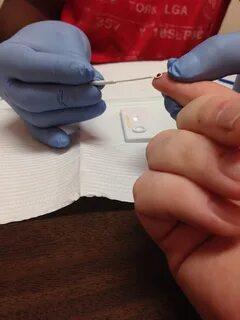
The difference between an HIV blood test vs antibody test is one of the most misunderstood topics in sexual health screening. Many people assume these are completely separate tests, while in reality, an antibody test is often a component of broader HIV Blood Test in Dubai strategies.
Understanding how these tests differ is essential for interpreting results correctly, choosing the right screening method, and knowing when to test for accurate detection. With modern advancements in HIV diagnostic testing, both methods play important roles—but they are not identical in purpose, timing, or accuracy.
This detailed comparison explains everything in a clear, practical way.
What an HIV Blood Test Actually Means?
An HIV blood test is a general term that refers to any laboratory or clinical test that detects HIV infection using a blood sample. It is an umbrella category that can include multiple testing methods.
These may include fourth-generation antigen-antibody tests, antibody-only tests, or nucleic acid tests depending on the situation and timing of exposure.
In simple terms, an HIV blood test is the overall screening process, not a single specific method.
What an Antibody Test Specifically Detects?
An antibody test is a more specific type of HIV screening test. It detects antibodies produced by the immune system in response to HIV infection.
When a person is exposed to HIV, the immune system gradually produces antibodies to fight the virus. These antibodies can be detected through blood or oral fluid testing.
However, antibody development takes time, which means this type of test may not detect very early infection during the window period.
Key Difference in Detection Targets:
The most important difference between an HIV blood test and an antibody test lies in what they detect.
A general HIV blood test may detect both antibodies and antigens or even viral RNA depending on the type used. In contrast, an antibody test only detects immune system antibodies.
This means HIV blood tests can sometimes identify infection earlier than antibody-only tests, especially when using fourth-generation technology.
Window Period Differences Between the Two Tests:
The window period plays a major role in distinguishing these two tests. This is the time between HIV exposure and when the infection becomes detectable.
Antibody tests typically have a longer window period, often up to 12 weeks, because antibodies take time to develop.
HIV blood tests using fourth-generation methods can detect infection earlier, usually within 2 to 6 weeks, because they also detect the p24 antigen, which appears before antibodies.
This difference significantly impacts early detection accuracy.
Accuracy and Reliability Comparison:
Both tests are highly accurate when used at the correct time, but their reliability depends on timing and purpose.
Antibody tests are very reliable after the window period has passed but may miss early infections.
HIV blood tests, especially fourth-generation tests, offer higher sensitivity and earlier detection capability, making them more suitable for recent exposure screening.
However, both types require correct timing to ensure accurate HIV diagnosis.
Types of HIV Blood Tests vs Antibody Tests:
The category of HIV blood tests includes multiple methods:
Fourth-generation antigen-antibody tests detect both antibodies and p24 antigen, offering early detection and high accuracy.
Nucleic acid tests detect HIV RNA directly and are used for very early or high-risk exposure cases.
Antibody-only tests, on the other hand, are a narrower category focused solely on immune response detection.
This makes HIV blood testing a broader diagnostic category that includes antibody testing as one component.
Speed of Detection: Which Test Finds HIV Earlier?
When comparing speed of detection, HIV blood tests generally outperform antibody-only tests.
Because they detect both antigens and antibodies, they can identify infection earlier in the HIV lifecycle.
Antibody tests rely entirely on immune response development, which takes longer. This delay makes them less effective for early detection but still useful for later-stage screening.
This timing difference is crucial for post-exposure testing decisions.
Where Each Test Is Commonly Used?
Antibody tests are often used in routine screening programs, especially where rapid testing is needed or resources are limited.
HIV blood tests, particularly fourth-generation lab-based tests, are commonly used in clinical settings for more accurate diagnosis and early detection.
Both tests are widely used in public health systems, but their application depends on risk level, timing, and available resources.
False Negatives and Testing Limitations:
Both tests can produce false negatives if performed too early during the window period.
Antibody tests are more likely to miss early infections because antibodies take longer to appear.
HIV blood tests reduce this risk by detecting additional markers such as antigens, but even they require proper timing to ensure accuracy.
This is why follow-up testing is often recommended after potential exposure.
Role of Confirmatory Testing in Both Methods:
Regardless of whether an HIV blood test or antibody test is used, confirmatory testing is always required if an initial result is reactive.
This may involve a different testing method such as a differentiation assay or nucleic acid test to verify results.
This two-step process ensures that no diagnosis is made based on a single screening result, improving overall accuracy.
Which Test Is Better for Early Detection?
For early detection, HIV blood tests—especially fourth-generation antigen-antibody tests—are generally more effective.
They can detect infection earlier in the window period compared to antibody-only tests.
However, antibody tests still play an important role in confirming later-stage infections and are widely used for routine screening.
The “better” test depends entirely on timing and purpose rather than one being universally superior.
Emotional Impact of Choosing Between Tests:
Understanding test differences can reduce anxiety and confusion. Many people feel overwhelmed when hearing multiple terms like HIV blood test, antibody test, or rapid test.
Knowing that antibody tests are often part of HIV blood testing helps simplify the process and reduce fear about incorrect interpretations.
Clear information empowers individuals to make informed decisions about their health.
Modern Advances That Bridge the Gap Between Tests:
Advancements in HIV diagnostic technology have reduced the gap between these two testing methods.
Fourth-generation HIV blood tests now combine antibody detection with antigen detection, improving early diagnosis rates.
This means fewer cases require reliance on antibody-only testing for initial screening, although both still have roles in healthcare systems.
Final Comparison Summary: HIV Blood Test vs Antibody Test
An HIV Lab tests is a broad diagnostic category that may include multiple detection methods, while an antibody test is a specific type that only detects immune response antibodies.
HIV blood tests generally offer earlier detection, greater sensitivity, and broader diagnostic capability. Antibody tests are highly reliable after the window period but are less effective for early infection detection.
Both tests are accurate when used correctly, but their differences lie in timing, detection targets, and clinical application.
Final Thoughts: Choosing the Right Test at the Right Time
Understanding the difference between an HIV blood test vs antibody test helps eliminate confusion and supports better health decisions.
Early testing requires more sensitive methods, while routine screening may rely on antibody detection. Both are essential parts of HIV prevention and diagnosis strategies.
Ultimately, the most important factor is not just which test is used, but when it is taken and how results are interpreted within the correct medical context.
 English
Join our community to interact with posts!