
Blood sugar testing is one of the most essential tools in modern healthcare for understanding how the body processes glucose. It helps detect diabetes early, monitor ongoing treatment, and evaluate overall metabolic health. However, many people only know about a single “blood sugar test” without realizing there are multiple types, each serving a different purpose.
Each Blood Sugar Test Dubai provides unique insights—some show immediate sugar levels, while others reveal long-term patterns or how your body responds after meals. Understanding these differences is important for accurate diagnosis, better diabetes management, and informed health decisions.
Why Different Blood Sugar Tests Are Needed?
Blood sugar levels are not constant. They change throughout the day depending on food intake, activity, stress, and hormones. Because of this natural variation, a single test cannot give a full picture of your health.
Doctors use different tests to measure glucose from different angles:
- Short-term blood sugar levels
- Fasting baseline glucose
- Post-meal glucose response
- Long-term average glucose control
Together, these tests help detect:
- Diabetes mellitus
- Prediabetes
- Insulin resistance
- Hypoglycemia
- Metabolic syndrome
Understanding each type helps avoid confusion and misinterpretation of results.
Fasting Blood Sugar Test: Measuring Baseline Glucose
The fasting blood sugar test is one of the most common and important glucose tests.
It measures blood sugar after 8–12 hours of fasting, usually done in the morning before breakfast.
What it shows:
- Baseline glucose level without food influence
- How well the body manages sugar overnight
- Early signs of insulin resistance
Normal fasting blood sugar levels:
- Below 100 mg/dL → normal
- 100–125 mg/dL → prediabetes
- 126 mg/dL or higher → diabetes
This test is widely used for diabetes screening and initial diagnosis.
Random Blood Sugar Test: Anytime Glucose Check
A random blood sugar test measures glucose at any time of the day, regardless of when you last ate.
It is often used in emergency situations or when symptoms of diabetes appear suddenly.
What it shows:
- Immediate blood sugar status
- Presence of abnormal glucose spikes
- Quick screening for diabetes symptoms
Interpretation:
- Below 140 mg/dL → generally normal
- 200 mg/dL or higher → possible diabetes
Because it is not controlled by fasting or meal timing, it is mainly used for quick assessment.
Postprandial Blood Sugar Test: After Meal Response
The postprandial blood sugar test measures glucose levels after eating, usually 2 hours after a meal.
It is one of the most useful tests for understanding how your body handles food.
What it shows:
- How effectively insulin processes glucose after meals
- Carbohydrate metabolism efficiency
- Early signs of glucose intolerance
Normal 2-hour post-meal levels:
- Below 140 mg/dL → normal
- 140–199 mg/dL → prediabetes
- 200 mg/dL or higher → diabetes
This test is especially important for detecting hidden glucose problems that may not appear in fasting tests.
HbA1c Test: Long-Term Blood Sugar Control
The HbA1c test, also known as glycated hemoglobin, provides a long-term view of blood sugar levels over the past 2–3 months.
Unlike other tests, it does not measure daily fluctuations.
What it shows:
- Average blood sugar over time
- Long-term glucose control
- Risk level for diabetes complications
HbA1c interpretation:
- Below 5.7% → normal
- 5.7%–6.4% → prediabetes
- 6.5% or higher → diabetes
This test is one of the most reliable indicators for diagnosing and monitoring diabetes.
Oral Glucose Tolerance Test (OGTT): Sugar Processing Test
The oral glucose tolerance test is a more detailed diagnostic test used to measure how your body processes a fixed amount of sugar.
In this test:
- You drink a glucose solution
- Blood sugar is tested at multiple intervals (usually 1 and 2 hours later)
What it shows:
- How efficiently the body handles a glucose load
- Early detection of insulin resistance
- Gestational diabetes screening
Why it is important:
It is more sensitive than fasting tests and can detect early-stage glucose problems that other tests may miss.
Continuous Glucose Monitoring (CGM): Real-Time Tracking
Continuous glucose monitoring is a modern method that tracks blood sugar levels throughout the day using a small sensor placed under the skin.
What it shows:
- Real-time glucose fluctuations
- Nighttime blood sugar trends
- Response to meals and exercise
- Daily glucose patterns
Benefits:
- No repeated finger pricks
- Detailed glucose trends
- Better diabetes management
This method is especially useful for people with type 1 diabetes or unstable blood sugar levels.
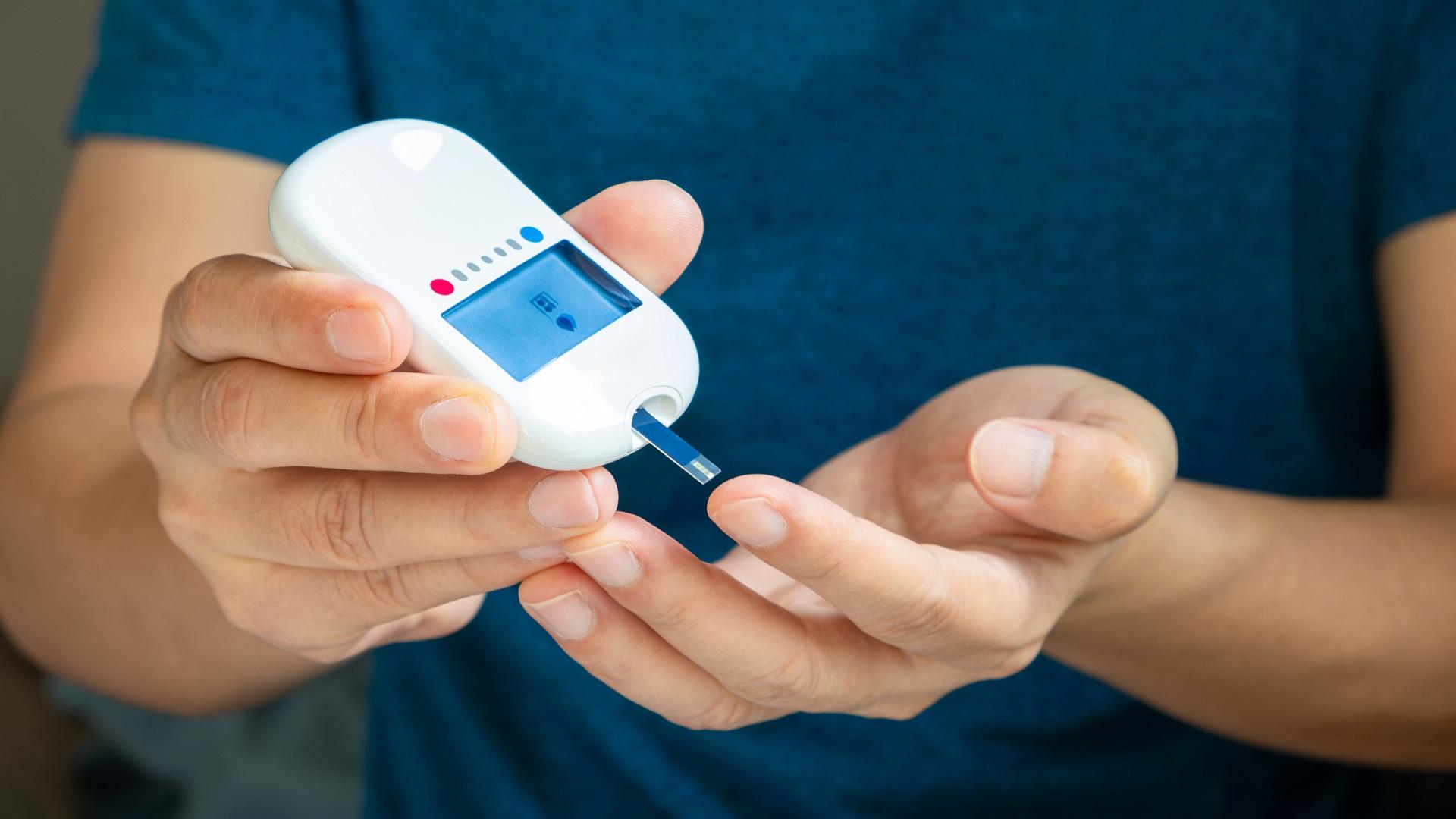
Capillary Blood Sugar Test: Finger-Prick Method:
This test is commonly done at home using a glucometer.
A small drop of blood from the fingertip is used to measure glucose levels instantly.
What it shows:
- Immediate blood sugar reading
- Daily monitoring for diabetics
- Quick self-check results
It is convenient but slightly less accurate than laboratory testing.
Venous Blood Sugar Test: Laboratory Accuracy:
The venous blood test is performed in a laboratory using blood drawn from a vein.
What it shows:
- Highly accurate glucose levels
- Diagnostic confirmation of diabetes
- Standard reference values
It is considered the gold standard for blood sugar testing due to its precision.
How Different Blood Sugar Tests Work Together?
No single test is enough to understand complete glucose health. Doctors often combine multiple tests for accurate diagnosis.
For example:
- Fasting test → baseline sugar level
- Post-meal test → food response
- HbA1c → long-term control
- OGTT → insulin sensitivity
Together, they create a complete metabolic profile.
Common Mistakes in Blood Sugar Testing:
Understanding test types is important, but proper usage matters just as much.
Common mistakes include:
- Not fasting properly before fasting test
- Testing at incorrect times after meals
- Relying on a single reading for diagnosis
- Ignoring HbA1c for long-term evaluation
- Using home devices incorrectly
Avoiding these mistakes improves accuracy and interpretation.
Why Knowing Test Types Helps Early Diabetes Detection?
Many people with early diabetes show normal fasting results but abnormal post-meal or HbA1c levels.
Knowing different test types helps:
- Detect hidden glucose issues
- Identify early insulin resistance
- Prevent progression to type 2 diabetes
- Improve lifestyle interventions
Early awareness leads to better prevention and management.
Final Thoughts:
Blood sugar Lab tests is not a single procedure but a group of different diagnostic tools, each designed to measure glucose from a unique perspective. From fasting and post-meal tests to HbA1c and continuous monitoring, every method plays a specific role in understanding metabolic health.
By learning how each blood sugar test works, you can better interpret your results, avoid confusion, and make informed decisions about your health.
Ultimately, a complete understanding of blood sugar test types empowers you to detect problems early, manage diabetes effectively, and maintain long-term wellness with confidence.
 English
Join our community to interact with posts!