
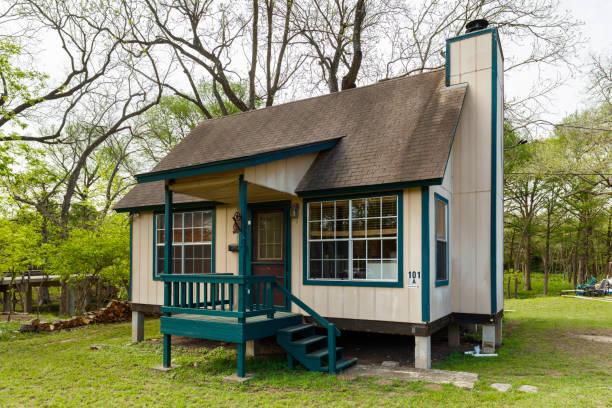
Housing got weird. Prices climbed, space got tighter, and a lot of people started realizing the old way of buying property just doesn’t fit anymore. That’s where an adu for sale starts making real sense. Not as some trendy buzzword, but as an actual, practical option. Accessory dwelling units used to feel like side projects. Backyard builds. Granny flats. Whatever people called them. But now? They’re becoming serious real estate moves for buyers who want flexibility without getting crushed by oversized mortgages.
Truth is, people aren’t just buying homes anymore. They’re buying options. A smaller footprint, lower maintenance, maybe rental income, maybe a place for family. ADUs sit right in that sweet spot. They can work for first-time buyers, retirees, investors, or, honestly, anyone tired of paying for space they don’t use. And yeah, the appeal is pretty obvious once you stop thinking bigger always means better.
What Makes an ADU Actually Worth It
The short answer is versatility. That’s really it.
An ADU can be a standalone unit, a converted garage, a basement apartment, or a backyard cottage. The shape changes, but the benefit stays pretty consistent. Lower cost than a full-size house. Easier upkeep. More manageable bills. In a market where everything feels inflated, that matters.
Let’s be real, not everyone wants a massive house with rooms collecting dust. Some people want efficient living. Smart use of land. A property that can adapt when life changes. ADUs offer that. You could live in one and rent out the main house. Or do the opposite. You could keep aging parents close without giving up privacy. It’s not just property ownership. It’s strategy.
And because zoning laws in many areas have loosened up, more ADUs are hitting the market, which gives buyers actual choices instead of scraps.
The Financial Side Hits Different
Money talks, and ADUs usually have a pretty solid argument.
Buying an ADU often means spending less up front compared to traditional single-family homes. That lower entry point can make homeownership possible for people who thought they were locked out. Beyond that, monthly expenses tend to stay lower, too. Smaller spaces usually mean lower utility bills, reduced maintenance costs, and less random spending on stuff you don’t really need.
Then there’s rental potential. This is where things get interesting. Some buyers purchase properties with ADUs specifically because they can create passive income. Rent the unit. Use it as short-term lodging, depending on local laws. Offset your mortgage. That kind of built-in financial flexibility can seriously change the math.
Not saying it’s magic money. It’s still property. Stuff breaks. Repairs happen. But compared to many standard investments, an ADU can pull its weight.
Lifestyle Freedom Is a Bigger Deal Than People Expect
This part gets overlooked.
A lot of buyers focus only on square footage or curb appeal, but lifestyle setup matters more than people think. ADUs can create breathing room in ways bigger homes sometimes can’t. Maybe you work remotely and need separation from your main living space. Maybe your adult kid needs affordable housing for a while. Maybe you just want independence without living stacked on strangers in some overpriced complex.
That freedom matters.
An ADU can give people a chance to simplify life without feeling boxed in. Less cleaning. Less clutter. Often, less stress. There’s something brutally refreshing about owning space that serves a purpose instead of just draining your time and wallet.
ADUs and the Rise of Smarter Small Living
There’s also been this cultural shift. Bigger isn’t automatically impressive anymore. Efficient is.
That’s partly why the tiny house for sale market keeps catching attention too. People are rethinking what “enough” actually looks like. Smaller living spaces can still feel modern, comfortable, and functional when designed right. ADUs often overlap with that same mindset, but with an added edge because they’re usually tied to established residential property.
That can mean better location opportunities, stronger resale value, and more practical financing compared to some niche tiny home situations.
Basically, ADUs often hit a middle ground. Not too huge. Not too restrictive. Just... smarter.
Things Buyers Should Watch Before Jumping In
Okay, here’s the blunt part. Not every ADU is automatically a great buy.
You’ve got to check zoning, permits, build quality, and utility connections. Some units look amazing online but come with legal headaches or construction shortcuts. A pretty backyard cottage won’t feel so charming if it wasn’t built to code.
Location still matters. A lot. So does long-term resale potential.
Buyers should ask the boring questions. Is it legally recognized? Separate address? Rental restrictions? Infrastructure solid? These details aren’t sexy, but they matter more than staged photos and trendy finishes. Smart buying usually means looking past the polished surface.
Why ADUs Are Becoming Long-Term Real Estate Plays
This isn’t just some temporary housing fad.
As cities grow and affordability keeps getting messy, ADUs are positioned to stay relevant. They answer multiple problems at once—housing shortages, multigenerational living, rental demand, and budget-conscious ownership. That’s rare.
For investors, they can diversify income streams. For homeowners, they can future-proof a property. For everyday buyers, they can offer a practical path into ownership without the crushing burden of oversized real estate debt.
In other words, ADUs aren’t just small homes. They’re adaptable assets. And in uncertain markets, adaptability counts for a lot.
A Real Option for Buyers Who Want More Control
At the end of the day, buying property is about control. Your money. Your space. Your future. And that’s where ADUs really stand out. Whether someone wants housing flexibility, rental upside, or a simpler lifestyle, these properties can check boxes traditional homes sometimes miss. Even buyers comparing options like a tiny house for sale often find ADUs offer a more grounded balance between independence and investment.
Not perfect, sure. Nothing is. But for a lot of people, they make more sense than the old-school path.
Final Thoughts on the ADU Shift
The truth is, housing needs have changed. People changed. Priorities definitely changed. So it makes sense that smarter, more flexible property options are getting attention. An adu for sale isn’t just about downsizing or saving cash. It’s about buying with intention. Maybe even buying with a little more common sense.
For buyers willing to do their homework, ask tough questions, and think beyond traditional homeownership, ADUs can offer something pretty valuable—freedom, flexibility, and financial potential without all the unnecessary bulk. And honestly, that’s hard to ignore.
 English
Join our community to interact with posts!