
Introduction: The Old Way Still Works… But Is It the Best?
Walking into most tire shops and balancing usually means one thing—wheel weights. It’s been that way forever, and honestly, it still gets the job done. But things aren’t as fixed as they used to be. Over time, bead balancing for tires has started to creep into the conversation, not as a trend, more like a quiet alternative that keeps proving itself. Truth is, some shops still brush it off without really understanding it. Others try it once, expect instant magic, and move on when it doesn’t blow their mind in five minutes. That’s kind of missing the point.
What Bead Balancing Actually Does (No Hype Version)
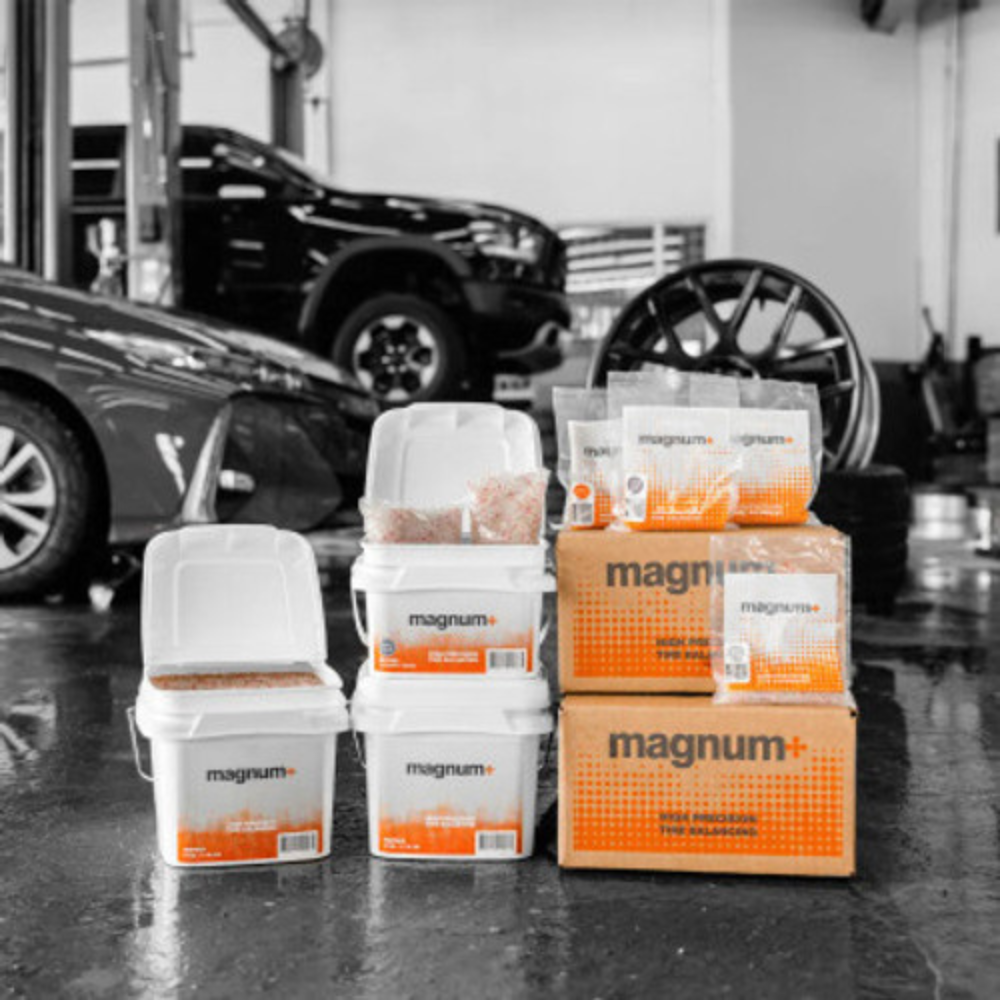
The short answer is simple—beads move, weights don’t. That’s really the core difference. Instead of sticking weights onto a wheel and locking in one balance point, beads sit inside the tire and adjust as it spins. They shift around, settle where they’re needed, and keep correcting imbalance while the tire is in motion. It’s not complicated tech. Just basic physics doing its job. And because they keep moving, they keep adapting. That’s the part people either don’t get or underestimate.
Why Traditional Balancing Still Dominates Shops
Let’s be real—habit plays a huge role here. Techs know wheel weights. Shops are set up for them. The process is quick, familiar, no thinking required. When you’re busy, that matters. You don’t want to slow things down by figuring out something new. But sticking to something just because it’s familiar? That’s not always the smartest move. It just feels safer. And in this industry, “safe” and “better” aren’t always the same thing.
The Real Advantage Shows Up Over Time
Here’s where bead balancing actually earns its place. It’s not about instant results. You won’t always feel a dramatic difference right after installation. That’s where people get impatient. The real benefit shows up later. Tires wear unevenly, loads change, road conditions vary—beads keep adjusting through all of it. They maintain balance over time, instead of locking it in at one moment like weights do. It’s subtle, but it matters. Especially for long-term performance.
Your Equipment Still Makes or Breaks the Results
Now here’s something people ignore—beads won’t fix bad setups. If your overall tire equipment supply is weak, you’re still going to run into issues. Poor air systems, inconsistent installation tools, sloppy processes—it all affects the outcome. Bead balancing works best when the rest of your setup is already solid. Shops that understand this usually get better results. The ones looking for a shortcut? They’re the ones complaining that it “doesn’t work.”
Common Mistakes That Ruin the Experience
A lot of failed bead balancing stories come down to simple mistakes. Wrong amount of beads, improper installation, or trying to fix already damaged or poorly worn tires. Then blaming the method when it doesn’t deliver. That happens more than people admit. And then there’s expectations again expecting perfection right away. It’s not a magic fix. It’s a method that works when used correctly. Miss the basics, and yeah, it’s going to disappoint you.
Why Some Shops Quietly Stick With It
Here’s the interesting part—the shops that really understand bead balancing don’t talk about it much. They just keep using it. Less vibration complaints. Fewer rebalancing jobs. Smoother rides over longer periods. It becomes part of their normal workflow, not something they advertise loudly. Customers might not even know what’s inside their tires, but they notice the results. And that’s enough.
It’s Not Perfect, But It’s Worth Considering
Let’s not pretend bead balancing is the answer to everything. It’s not. Some situations still work better with traditional methods. Some customers won’t notice a difference either way. That’s fine. But ignoring it completely? That’s just limiting your options for no real reason. Smart shops stay flexible. They use what works best depending on the job, not just what they’re used to.
Conclusion: A Smarter Approach, If You Use It Right
At the end of the day, bead balancing for tires isn’t about replacing everything you know. It’s about adding another tool to your process, one that adapts as tires change over time. It’s not flashy, not instant, but it’s effective when done right. And none of it matters if your foundation is weak. Your tire equipment supply still plays a huge role in how well everything performs. Get the basics right, understand the method, and you’ll start seeing the difference—not all at once, but steadily. And honestly, that’s what long-term performance looks like.
 English
Join our community to interact with posts!