
Modern industries rely heavily on highly skilled engineers to maintain, repair, and troubleshoot complex equipment. From manufacturing systems and industrial machinery to telecommunications infrastructure and energy networks, technical operations are becoming more advanced every year.
Training new engineers to handle these systems efficiently can be difficult and time consuming. Traditional learning methods such as manuals, classroom sessions, and shadowing experienced workers often require long training periods before employees can confidently perform repairs on their own.
To solve this challenge, many companies are adopting smart glasses and augmented reality technologies to improve technical learning and hands-on training. Smart glasses are helping new engineers access real-time information, visual instructions, and remote support while working directly on equipment.
These wearable technologies are transforming technical training by making learning faster, more interactive, and more practical for modern engineering environments.
Real Time Guidance During Repairs
One of the biggest challenges for new engineers is understanding complicated repair procedures while working on unfamiliar equipment. Technical manuals and diagrams can be difficult to interpret during real-world operations, especially under time pressure.
Smart glasses simplify this process by displaying instructions directly within the engineer’s field of vision. Workers can view step-by-step repair guidance, technical diagrams, equipment specifications, and safety procedures without stopping their work.
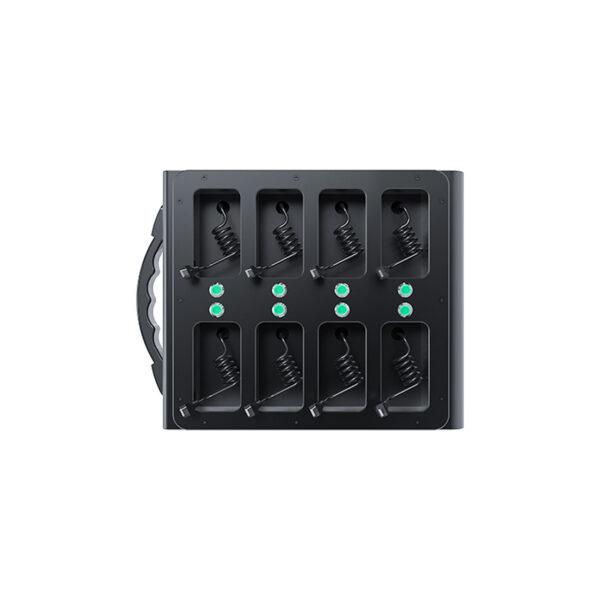
Many modern training systems also integrate with industrial workstations and connected devices such as a Docking Station to provide seamless access to software tools, maintenance records, and engineering data.
This real-time access helps engineers complete tasks more accurately while reducing confusion during repairs.
Instead of repeatedly asking supervisors for help, trainees can follow guided workflows independently while still receiving support when needed.
Faster Learning Through Visual Instructions
Visual learning is often more effective than reading long technical documents. Smart glasses use augmented reality overlays, animations, and interactive instructions to help engineers understand repair procedures more clearly.
For example, a technician repairing industrial equipment may see digital arrows highlighting components, animated repair steps, or warnings about sensitive parts directly on the equipment itself.
This type of guided learning improves comprehension and reduces the likelihood of mistakes.
New engineers can also repeat procedures multiple times using recorded workflows and visual tutorials, helping them build confidence faster.
By making technical information easier to understand, smart glasses reduce the learning curve for complex repairs.
Hands Free Access to Technical Information
Engineering work often requires both hands for handling tools, components, and equipment. Constantly switching between manuals, tablets, or laptops can interrupt workflow and slow down repairs.
Smart glasses provide hands-free access to important technical information, allowing engineers to continue working without distractions.
Voice controls, gesture recognition, and wearable displays make it possible to navigate instructions while remaining focused on the repair task.
Hands-free operation is especially valuable in environments such as:
- Manufacturing plants
- Utility facilities
- Telecommunications sites
- Construction projects
- Aerospace maintenance
- Energy operations
Reducing interruptions helps engineers complete repairs more efficiently while improving safety and concentration.
Remote Expert Assistance for New Engineers
New engineers often encounter problems they cannot solve independently. In traditional environments, this may require waiting for a senior technician or specialist to arrive on-site.
Smart glasses support remote collaboration by allowing experienced experts to see exactly what the trainee sees in real time. Experts can guide repairs remotely through video calls, voice instructions, and augmented reality annotations.
This remote support helps trainees solve problems faster while continuing to learn during actual repair situations.
Companies benefit because experienced specialists can support multiple teams across different locations without traveling constantly.
Remote collaboration also reduces downtime and improves operational efficiency.
Better Retention of Technical Knowledge
One common problem in engineering training is knowledge retention. Employees may forget procedures if they do not perform tasks regularly.
Smart glasses improve memory retention by combining practical experience with interactive visual learning. Engineers actively participate in repairs while receiving guided instructions, making the learning process more engaging.
Some systems also allow workers to record repair sessions for future review. These recordings can later be used for training, troubleshooting, and knowledge sharing.
Repeated exposure to visual workflows helps new engineers build stronger technical understanding over time.
Reduced Risk of Costly Repair Errors
Complex industrial systems can be expensive to repair if mistakes occur. Incorrect maintenance procedures may cause equipment damage, production downtime, or safety hazards.
Smart glasses reduce repair errors by providing precise instructions and real-time guidance throughout the repair process.
Engineers can verify procedures step by step while accessing safety alerts and technical specifications instantly.
This level of support is especially valuable for inexperienced workers who may still be learning operational processes.
Reducing errors helps companies save money while improving equipment reliability and workplace safety.
Improved Access to Engineering Systems and Software
Modern engineering operations rely heavily on software platforms for diagnostics, maintenance management, and operational monitoring.
Many organizations use connected systems that integrate wearable devices with maintenance databases, cloud platforms, and engineering software.
New engineers often ask what is a docking station used for when learning about industrial workstation setups connected to wearable systems and technical devices. Docking stations are commonly used to connect laptops, monitors, charging systems, and peripheral devices that support engineering workflows and data access.
These connected environments allow smart glasses to display live equipment data, maintenance history, repair instructions, and diagnostics directly to the user.
Integrated systems improve efficiency and support faster decision-making during technical operations.
Industries Using Smart Glasses for Engineering Training
Many industries are adopting wearable technologies to improve technical training and maintenance operations.
Manufacturing
Factories use smart glasses to support equipment maintenance, assembly guidance, and worker training.
Energy and Utilities
Field engineers use wearable systems for inspections, diagnostics, and remote collaboration.
Telecommunications
Technicians receive network repair guidance and live troubleshooting support through smart glasses.
Aerospace
Aircraft maintenance teams use augmented reality systems to improve inspection accuracy and repair efficiency.
Automotive
Vehicle manufacturers use wearable technology for assembly support and technical training.
Helpful Tips for Implementing Smart Glasses in Engineering Training
Organizations should carefully plan wearable technology adoption to maximize benefits.
Start With High Value Tasks
Focus first on repair procedures that are complex, repetitive, or prone to errors.
Ensure Reliable Connectivity
Stable internet or local network access is important for remote support and real-time data access.
Provide Proper User Training
Employees should learn how to operate smart glasses safely and effectively before full deployment.
Choose Durable Devices
Industrial environments require rugged wearable devices designed for harsh working conditions.
Integrate Existing Systems
Smart glasses work best when connected with maintenance software and operational databases.
The Future of Smart Glasses in Engineering
Smart glasses are expected to become even more advanced as artificial intelligence, augmented reality, and wearable computing technologies continue evolving.
Future systems may include:
- AI-assisted diagnostics
- Automated repair recommendations
- Predictive maintenance alerts
- Real-time language translation
- Advanced 3D visual overlays
- Gesture-based system controls
As engineering systems become more connected and data-driven, wearable technologies may become standard tools for technical training and field operations.
Businesses investing in these technologies today may gain long-term advantages through faster workforce development, improved repair quality, and reduced operational downtime.
FAQs
How do smart glasses help engineers?
Smart glasses provide real-time instructions, visual guidance, and remote support during technical repairs and maintenance tasks.
Can smart glasses reduce training time?
Yes, visual learning and interactive guidance help new engineers learn procedures faster and more effectively.
Are smart glasses useful for remote support?
Many smart glasses support live video sharing and expert collaboration for troubleshooting assistance.
Do smart glasses improve workplace safety?
Hands-free information access helps workers stay focused and reduces distractions during repairs.
Which industries use smart glasses for training?
Manufacturing, utilities, telecommunications, aerospace, automotive, and energy industries commonly use wearable training systems.
Final Words
Smart glasses are transforming the way new engineers learn complex repairs by providing real-time guidance, visual instructions, hands-free information access, and remote expert support. These wearable technologies help organizations improve technical training while reducing errors, downtime, and operational inefficiencies.
As industries continue modernizing their maintenance and training strategies, smart glasses are becoming valuable tools for workforce development and knowledge sharing. Companies that adopt wearable learning technologies may gain significant advantages through faster employee training, improved repair quality, and stronger operational performance.
The future of engineering training will likely involve even greater integration of augmented reality, artificial intelligence, and connected wearable systems designed to support smarter and more efficient technical operations.
 English
Join our community to interact with posts!