
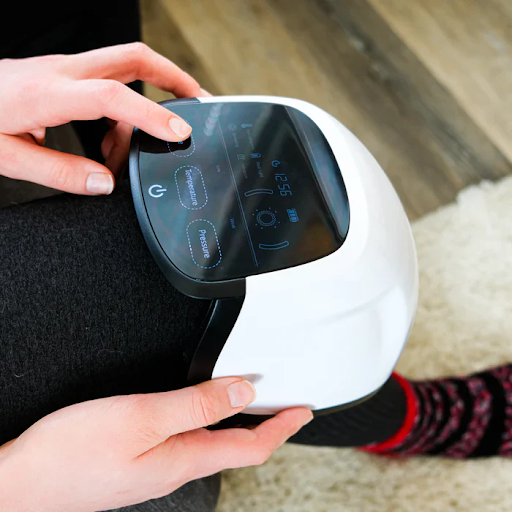
Recovery from knee issues isn’t what it used to be. A decade ago, it was ice packs, rest, maybe some physio if someone could afford it or had access. Now things are shifting fast. There’s a whole wave of knee pain relief equipment coming into play, and honestly, it’s changing how people deal with long-term joint problems in everyday life. Not just athletes either. Regular folks, office workers, older adults… all of them are looking for something that actually helps without turning life upside down.
And yeah, not everything out there is magic. Some gear is overhyped. But some of it? Surprisingly effective if used right and consistently. That’s where things are heading.
Changing Landscape of Knee Recovery Technology
The whole idea of knee recovery is getting more “active” now. Instead of just sitting and waiting for pain to fade, people are using devices that push circulation, reduce stiffness, and basically keep the joint from locking up.
You’ll see things like compression sleeves, heat therapy wraps, and vibration-based stimulators. Some are simple, almost old-school in design. Others are packed with tech, sensors, timers, and even app control. It’s a mix of basic and high-end, depending on how deep someone wants to go.
But here’s the thing… It’s not about fancy features. It’s about consistency. A device that gets used daily, even for 15–20 minutes, often does more than something complex sitting in a drawer.
The future of knee recovery isn’t just stronger machines. It’s smarter routines. Equipment that fits into normal life, not something that feels like a medical procedure every time.
And that shift matters more than people realize.
Where Advanced Pain Relief Equipment Fits In
Now, this is where things get more interesting. Advanced tools are starting to blur the line between clinical therapy and home care. What used to be available only in physio clinics is now sitting in people’s living rooms.
Some knee pain relief equipment uses heat and compression together, trying to mimic what therapists do manually. Others rely on gentle electrical stimulation to wake up muscles around the joint. It sounds technical, but the goal is simple: reduce pain, improve movement, and keep things from getting worse.
And then there’s the knee massage machine category. These devices are getting more attention lately. They’re not just vibrating gadgets anymore. Some now combine kneading pressure, heat, and adjustable intensity levels. A bit like having a massage therapist on standby, minus the appointment booking and awkward small talk.
People tend to underestimate how useful that can be. Especially for chronic stiffness. It’s not a cure, let’s be honest. But it can take the edge off enough to make walking less of a chore.
There’s also a growing trend of portability. Smaller units that can be used at work, while watching TV, or even while traveling. That flexibility is a big reason adoption is growing.
Still, not everything works for everyone. Bodies react differently. Some people feel relief fast, others barely notice anything. That part gets ignored in marketing, but it’s real.
Real-World Use and What Actually Matters
If you strip away the branding, what matters most is usability. Equipment that’s too complicated usually ends up unused. That’s just how people are.
The better devices tend to follow a simple pattern: easy setup, quick relief, and no learning curve that feels like studying for an exam. Nobody wants that.
Another thing people don’t talk about enough is comfort. If a device feels awkward or heavy, it’s game over. Doesn’t matter how advanced it is. It won’t get used.
And yeah, cost plays a role too. Some of the newer knee recovery tools are expensive. But there’s also a middle ground emerging. Decent tech at reasonable pricing. That’s helping more people access relief without going overboard financially.
It’s not perfect, though. There’s still a lot of confusion in the market. Too many products promise the same thing. Buyers often end up guessing or just going with whatever has the most reviews.
That’s where guidance from physiotherapists or even honest user feedback matters more than ads.
Conclusion: Where Things Are Headed
The future of knee recovery is not some sci-fi setup. It’s practical, slowly evolving, and honestly a bit messy right now. But the direction is clear. More people are turning toward knee pain relief equipment that they can actually use at home, without needing constant clinical visits.
The rise of tools like the knee massage machine shows that comfort and convenience are becoming just as important as medical function. That’s a big shift. Maybe overdue.
Still, no device replaces movement, strengthening, or proper care. That part doesn’t change. But these tools can support recovery in a real way when used consistently, not occasionally.
In the end, it’s less about chasing the “best machine” and more about finding something that fits into daily life without friction. Simple as that, even if the industry tries to make it sound more complicated.
 English
Join our community to interact with posts!