
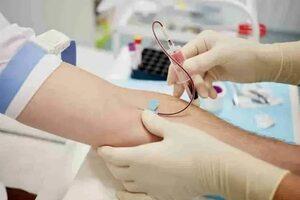
Marriage is one of the most meaningful commitments in life, bringing together two individuals who plan to share their future, build a family, and grow together. While emotional compatibility and shared values are often at the center of wedding preparations, modern couples are increasingly recognizing another essential aspect of planning: health awareness. A marriage blood test has become an important step for many couples before marriage because it provides clarity about genetic health, infectious diseases, and long-term family planning considerations.
In an era where preventive healthcare is widely encouraged, pre-marital blood screening is no longer seen as optional curiosity but as a responsible decision that supports healthier relationships and future generations. Understanding the top reasons couples consider a Marriage Blood Test in Dubai helps highlight its importance in today’s lifestyle.
Early Awareness of Genetic Health Risks:
One of the most significant reasons couples opt for a marriage blood test is to understand genetic health risks before starting a family.
Many inherited conditions are carried silently without visible symptoms. A person can appear completely healthy while carrying genetic traits that may be passed on to children.
Marriage blood screening often includes genetic carrier tests for conditions such as:
-
Thalassemia
-
Sickle cell disease
-
Cystic fibrosis
-
Spinal muscular atrophy
-
Hemoglobin disorders
When both partners are carriers of the same condition, there may be an increased risk of the disorder affecting future children. Early awareness allows couples to explore medical guidance, genetic counseling, and informed family planning options.
Planning for Healthy Future Generations:
Many couples choose pre-marital blood testing because they want to ensure the best possible health outcomes for their future children.
Family planning today goes beyond deciding when to have children; it includes understanding biological and genetic factors that may influence pregnancy outcomes.
A marriage blood test provides insights into:
-
Inherited disease risks
-
Blood compatibility factors
-
Reproductive health conditions
-
Carrier status for genetic disorders
This information helps couples make informed decisions about pregnancy timing and medical care, reducing uncertainty in future family life.
Blood Group and Rh Compatibility Awareness:
Blood group testing is one of the most common components of pre-marital screening.
Understanding Blood Types:
Blood is categorized into four main groups:
-
A
-
B
-
AB
-
O
Along with blood type, the Rh factor is also identified.
Why Rh Factor Matters:
If a woman is Rh-negative and her partner is Rh-positive, there may be potential risks during pregnancy due to Rh incompatibility.
Although this condition is manageable, early awareness allows healthcare providers to take preventive measures to protect both mother and child.
Couples consider this test because it helps ensure safer pregnancy planning and reduces future medical complications.
Detecting Hidden Infectious Diseases:
Another major reason couples choose marriage blood tests is to identify infectious diseases that may not show symptoms in early stages.
Pre-marital screening commonly includes tests for:
-
HIV infection
-
Hepatitis B
-
Hepatitis C
-
Syphilis
-
Other sexually transmitted infections
Many of these conditions can remain undetected for years while still affecting long-term health.
Early detection allows individuals to:
-
Begin timely treatment
-
Reduce transmission risks
-
Improve long-term health outcomes
-
Plan safer pregnancies
This makes infectious disease screening a key part of responsible pre-marital healthcare.
Strengthening Reproductive Health Planning:
Reproductive health is an important aspect of married life, and many couples consider marriage blood testing to prepare for this stage.
Certain conditions identified through blood tests can influence fertility, pregnancy health, and childbirth outcomes.
For example:
-
Untreated infections may affect fertility
-
Genetic conditions may require specialized pregnancy care
-
Blood compatibility issues may require medical monitoring
By understanding these factors early, couples can plan pregnancies more safely and confidently with medical support when needed.
Reducing Future Health Uncertainty:
Uncertainty about health can create emotional stress in relationships, especially when planning for children.
A marriage blood test helps reduce this uncertainty by providing clear medical information.
Couples gain clarity about:
-
Current health status
-
Genetic risks
-
Infection risks
-
Potential future complications
This knowledge helps reduce anxiety and allows couples to focus on building a stable and confident future together.
Encouraging Honest Health Conversations:
One of the less obvious but highly important reasons couples consider pre-marital screening is that it encourages open communication.
Discussing health history, family medical conditions, and reproductive goals can sometimes feel uncomfortable. A structured medical test provides a natural way to start these conversations.
Couples often discuss:
-
Family history of diseases
-
Previous medical conditions
-
Fertility expectations
-
Lifestyle and wellness habits
This openness builds trust and strengthens emotional connection before marriage.
Supporting Preventive Healthcare Habits:
A marriage blood test often marks the beginning of a lifelong commitment to preventive health practices.
Couples who undergo screening are more likely to continue healthy habits such as:
-
Regular health checkups
-
Balanced nutrition
-
Exercise routines
-
Vaccination updates
-
Early disease screening
This shift toward preventive healthcare improves overall quality of life and reduces long-term medical risks.
Identifying Treatable Conditions Early:
Many medical conditions discovered during pre-marital screening are treatable if identified early.
These may include:
-
Anemia
-
Vitamin deficiencies
-
Liver function abnormalities
-
Mild infections
-
Hormonal imbalances
Early detection allows for timely medical intervention, improving long-term health outcomes and reducing complications later in life.
Couples often find reassurance in knowing that potential issues can be managed effectively with proper care.
Meeting Cultural or Regional Health Guidelines:
In some regions, marriage blood testing is encouraged or required as part of public health initiatives.
These programs aim to:
-
Reduce genetic disorders in the population
-
Improve maternal and child health
-
Promote awareness of infectious diseases
-
Encourage preventive healthcare practices
Even when not mandatory, many couples choose testing because it aligns with these broader health goals.
Building Trust Through Transparency:
Trust is one of the foundations of a successful marriage, and health transparency plays an important role in building it.
When couples openly share medical information and undergo testing together, it demonstrates honesty and responsibility.
This transparency helps strengthen:
-
Emotional trust
-
Long-term commitment
-
Mutual understanding
-
Relationship stability
Many couples report feeling more secure in their relationship after completing pre-marital screening together.
Preparing for Genetic Counseling if Needed:
When screening reveals genetic risks, couples may be referred to genetic counseling.
Genetic counselors help explain:
-
Inheritance patterns
-
Carrier risks
-
Reproductive options
-
Medical management strategies
Couples consider marriage blood tests because they provide access to this important guidance early in the relationship planning process.
Aligning with Modern Preventive Healthcare Trends:
Modern healthcare strongly emphasizes prevention rather than treatment after disease occurs.
Marriage blood testing fits into this approach by focusing on:
-
Early diagnosis
-
Risk identification
-
Health education
-
Long-term wellness planning
Couples today are more informed and proactive, making pre-marital health screening a natural part of responsible adult life planning.
Emotional Peace of Mind Before Marriage:
Beyond medical benefits, marriage blood tests provide emotional reassurance.
Knowing that both partners have taken steps to understand their health status reduces fear and uncertainty about the future.
This peace of mind allows couples to enter marriage with greater confidence and emotional stability.
Creating a Healthier Foundation for Marriage:
Ultimately, couples consider marriage blood tests because they want to build a strong and healthy foundation for their life together.
Health awareness contributes to:
-
Better communication
-
Stronger planning for children
-
Reduced future medical surprises
-
Shared responsibility in health decisions
A healthy marriage is not only built on love and trust but also on preparedness and awareness.
Conclusion:
The top reasons couples consider a marriage Lab tests before marriage all point to one central idea: informed decisions lead to healthier futures. Whether it is understanding genetic risks, detecting hidden infections, ensuring blood compatibility, or planning for future children, pre-marital screening provides valuable insights that support both individual and family well-being.
In today’s world, where preventive healthcare plays a crucial role in long-term wellness, marriage blood testing is no longer just a medical recommendation—it is a responsible step toward building a secure and healthy married life. By choosing awareness before commitment, couples strengthen not only their relationship but also the future of the generations that follow.
 English
Join our community to interact with posts!