
Walking into a new clinic for the first time feels weird. There’s paperwork. Strange equipment. A person in scrubs who seems to know exactly what they’re doing while you feel completely lost. It’s normal to be nervous. Most people are. They don’t know what to wear. Whether to talk during the session. How much pressure is too much. When to say something hurts versus when to shut up and let the therapist work. The unknown creates anxiety. Anxiety makes muscles tighter. Tight muscles make the session harder. That’s a shame because the whole point is to relax tight stuff. So let’s just walk through what actually happens. From the moment a person walks in to the moment they leave feeling better. No surprises. No mystery. Just the real.

Before the Hands-On Work Even Starts
First comes the paperwork. Medical history. Current complaints. Medications. Previous injuries. Surgeries. All the stuff that matters but nobody enjoys filling out. A good clinic doesn’t make this longer than necessary. A few pages. Maybe ten minutes. Then someone comes to get the person from the waiting room. They walk back to a treatment room. The therapist asks questions. Lots of them. Not small talk. Real questions about what’s going on. Where exactly does it hurt. What makes it better. What makes it worse. How long has this been happening. Has anything helped before. What are the goals for treatment. This conversation might take ten or fifteen minutes. It should. Anyone who starts touching without asking questions first is skipping a crucial step.
The Assessment That Guides Everything
After talking comes looking. The therapist watches the person move. Stand up from the chair. Walk down the hallway. Bend forward. Reach overhead. Turn their head side to side. They’re looking for asymmetry. One shoulder higher than the other. A hip that drops during walking. Limited rotation to one side. These observations tell stories. Stories about where the real problems live. Then comes hands-on assessment. The therapist palpates. Feels for tight bands, tender spots, areas that feel different left versus right. They might move the person’s limbs through ranges while the person relaxes. Checking end feels. Where does motion stop and why. This whole assessment phase might take another ten or fifteen minutes. It’s not treatment yet. It’s information gathering. Good treatment depends on good information.
What Oxford Sports Massage Actually Feels Like
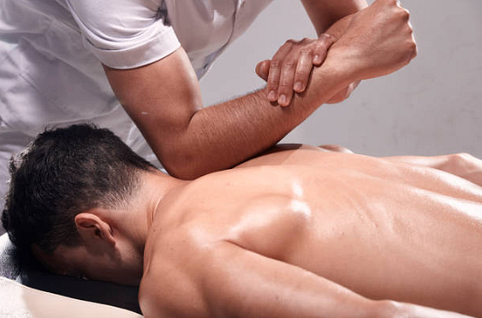
Once the therapist understands the problem, the real work begins. The person gets on a table. Face down, face up, or on their side depending what needs attention. The therapist applies oil or cream. Then starts working. Oxford Sports Massage is not a gentle relaxation rub. It’s targeted deeper work. The therapist finds tight spots and presses into them. Slowly. With intention. The pressure might be intense. Not sharp pain. Not stabbing. A deep ache that feels productive. The kind of hurt that comes with a sense of relief right behind it. The therapist might use thumbs, knuckles, forearms, or elbows depending how deep they need to go. They check in about pressure. Too much? Too little? They adjust. They might move the person’s limb while pressing. Stretching the muscle after releasing it. The session flows. Not random. Purposeful.
The Weird Sensations That Are Totally Normal
During the work, strange things happen. A spot in the shoulder blade might refer sensation down the arm. A pressure point in the hip might make the foot tingle. The person might feel waves of heat or cold. They might feel emotional suddenly. Tears coming out of nowhere. This is all normal. Referred sensations happen because nerves connect distant areas. Heat and cold come from increased blood flow. Emotions release because the body holds stress in its tissues. None of this means anything is wrong. It means the work is reaching places that needed attention. A good therapist warns about these possibilities beforehand. They don’t act surprised. They explain what’s happening and why it’s okay. That reassurance matters. It keeps the person from panicking when something unexpected occurs.
When Massage Isn’t Enough and Osteopathy Helps
Sometimes the soft tissue work helps but something still feels off. A joint won’t move right even after the muscles around it relax. That’s when a different approach matters. An Osteopath Oxford based looks at the structural side. Bones that shifted. Joints that locked up. Fascial restrictions that run through the whole body. An osteopathy session feels different than massage. Less sliding on skin. More specific positioning. The therapist might hold a joint in a certain angle while the person breathes. Then a small movement. Sometimes a gentle click or release sensation. Nothing violent. No forceful cracking despite what movies show. Modern osteopathy is subtle. The person might feel a shift. Things moving back where they belong. After an osteopathy session, the massage work holds better. The muscles don’t retighten as fast because they’re not fighting a crooked frame anymore.
What Happens When the Session Ends
The therapist doesn’t just stop and walk out. They check in. How does that feel now. Can the person notice any difference. They might re-test movements that were limited before. Look, last time you could only reach to here. Now you’re an inch further. That’s progress. They give advice for the next few hours and days. Drink water. Move gently. Avoid heavy lifting for the rest of the day. Take a walk to keep blood flowing. Maybe apply heat or cold depending what was worked on. They might give a few stretches or exercises to do at home. Nothing complicated. Two or three things that take five minutes total. They schedule the next appointment if needed. Then the person gets dressed and leaves. Usually feeling looser. Sometimes a bit sore. That soreness fades in a day or two.
The Day After and What to Expect
The next morning can feel rough. Muscles that were worked deeply might feel bruised. Not actual bruising necessarily but that deep ache like after a hard workout. This is normal. It’s called a treatment response. The body sent inflammatory cells to the areas that got worked. Those cells are cleaning up metabolic waste and starting repair. The soreness peaks around 24 to 48 hours after the session. Then fades. Movement helps. Gentle walking. Light stretching. Heat packs. Drinking extra water. By day three or four, the person should feel better than before the session. Not just less sore but actually improved. More range of motion. Less pain during activities. That’s the goal. If the soreness lasts longer than a few days or feels extreme, the therapist might have worked too deep. That’s worth mentioning at the next visit.
How Many Sessions and How Often
One session rarely fixes a long term problem. That’s just reality. Chronic tightness that built up over years takes time to unwind. Most people need a series of sessions close together at first. Weekly for four to six weeks. Then spacing out as things improve. Every other week. Then monthly. Then as needed for maintenance. The therapist makes a recommendation based on what they found and how the person responds. Some people need more. Some need less. A runner training for a marathon might come weekly during peak training. A desk worker with mild tension might come every six weeks for maintenance. There’s no universal schedule. The right schedule is whatever keeps the person moving well without symptoms returning between sessions.
Making the Most of Each Appointment
What a person does between sessions matters as much as the session itself. Showing up is half the battle. The other half is following advice. Doing the prescribed stretches. Taking movement breaks during long work days. Sleeping in a good position. Staying hydrated. Avoiding the specific movements that flare things up. A therapist can’t do these things for the person. They can only advise. The person has to execute. People who follow through get better faster. They need fewer sessions overall. They save money and time. People who ignore advice still get some benefit from the hands-on work but it doesn’t last as long. They come back more often. The choice is clear. Listen to the recommendations. Do the homework. The body responds to consistency.
Conclusion
Walking into a professional recovery session doesn’t have to feel scary. The process follows a pattern. Conversation first. Then assessment. Then hands-on work. Then re-check. Then advice for home. Oxford Sports Massage targets the soft tissue restrictions that limit movement and cause pain. Deep pressure, specific techniques, and strategic stretching get muscles to let go. When joints themselves are the problem, an Osteopath Oxford based provides the structural piece. Gentle mobilization restores proper motion. Together these approaches cover both sides of what keeps people stuck. The first session might feel intense. The day after might bring some soreness. But within a few days, most people notice real improvement. More range. Less pain. Better movement. That’s the point. Not just feeling good on the table but living better off it. That’s what professional recovery actually delivers.
 English
Join our community to interact with posts!