
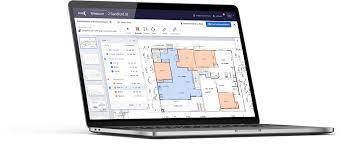
Every successful construction project starts long before the first brick is laid. It begins with a plan, a set of blueprints, and a critical question: how much will this actually cost? Bridging the gap between a design on paper and a realistic budget is one of the most important steps in any construction project, and it is a step that is often underestimated.
What Is a Construction Takeoff?
A construction takeoff is the process of reviewing architectural and engineering drawings to measure and list every material needed to complete a project. This includes everything from concrete and steel to flooring, roofing, plumbing fixtures, and electrical components. The goal is to produce a detailed and accurate count of all materials before the project begins.
This process forms the foundation of cost estimation. Without an accurate takeoff, contractors are essentially guessing, and in construction, guesses are expensive.
Why Accuracy Matters More Than Ever
The construction industry operates on tight margins. Material prices fluctuate, labor costs vary by region, and project timelines are rarely forgiving. A mistake made during the estimation phase can ripple through the entire project, resulting in budget overruns, delayed timelines, or costly disputes between clients and contractors.
Accurate material measurements help project managers plan procurement schedules, avoid unnecessary waste, and negotiate better deals with suppliers. When a contractor knows exactly how much lumber, drywall, or concrete is needed, purchasing decisions become smarter and more strategic.
The Shift Toward Professional Takeoff Services
In the past, estimators would manually review physical blueprints, using scaled rulers and paper logs to calculate material quantities. It was a time-consuming process that was highly prone to human error. Today, the industry has evolved significantly.
Professional quantity takeoff services use advanced digital tools and software to analyze construction drawings with greater speed and precision. Estimators work with digital blueprints, applying specialized software that automates measurements, flags inconsistencies, and produces detailed reports in a fraction of the time it would take manually.
This shift has made professional takeoff services an attractive option for contractors and developers who want reliable estimates without dedicating in-house resources to the task.
How Takeoffs Support the Entire Project Lifecycle
A well-prepared takeoff does more than just inform the initial budget. It supports several key stages of a construction project.
During the bidding phase, accurate material lists allow contractors to submit competitive and realistic bids. Overbidding can cost them the contract, while underbidding can lead to financial losses. A precise takeoff helps strike the right balance.
During project execution, the takeoff serves as a reference point for procurement teams. It helps avoid both material shortages that can stall progress and over-ordering that ties up cash unnecessarily.
During project closeout, comparing the original takeoff with actual material usage provides valuable data. This information can improve future estimates and help identify where efficiencies were gained or lost.
Who Benefits From Professional Takeoff Support?
General contractors benefit from faster and more reliable bid preparation. Subcontractors can use detailed takeoffs to better plan their scope of work. Developers and project owners gain greater confidence in budget forecasts before committing to a project.
Even smaller construction firms that may not have dedicated estimating staff can leverage professional takeoff support to compete more effectively in the market.
The Bigger Picture
Construction is becoming more data-driven, and estimation is no exception. As building designs grow more complex and client expectations rise, the need for precise material analysis has never been greater.
Moving from blueprint to budget is not simply a numbers exercise. It is a strategic process that shapes how projects are planned, funded, and delivered. When this process is handled with care and professionalism, the entire project benefits, from the first line drawn on a plan to the final nail driven on site.
 English
Join our community to interact with posts!